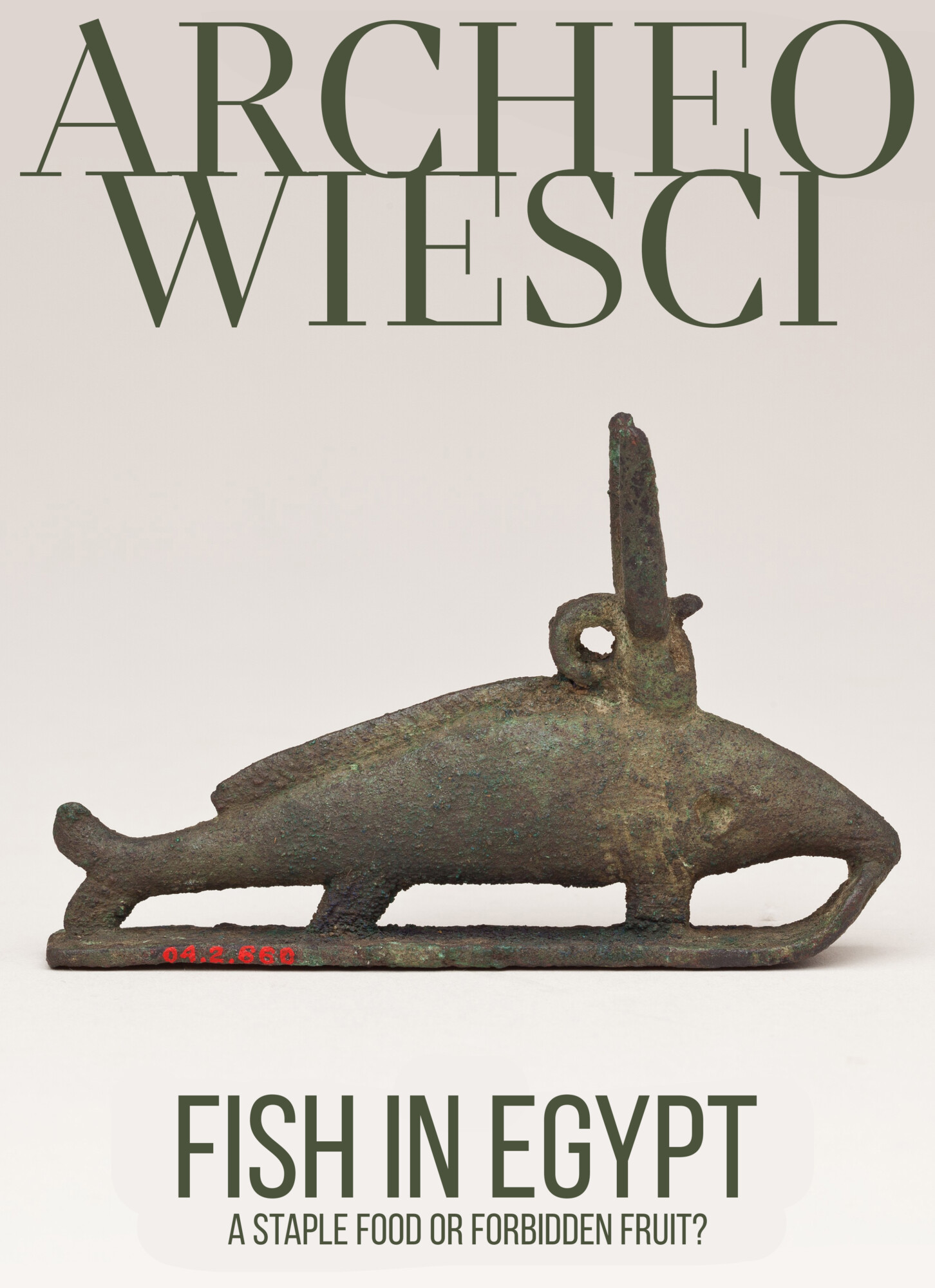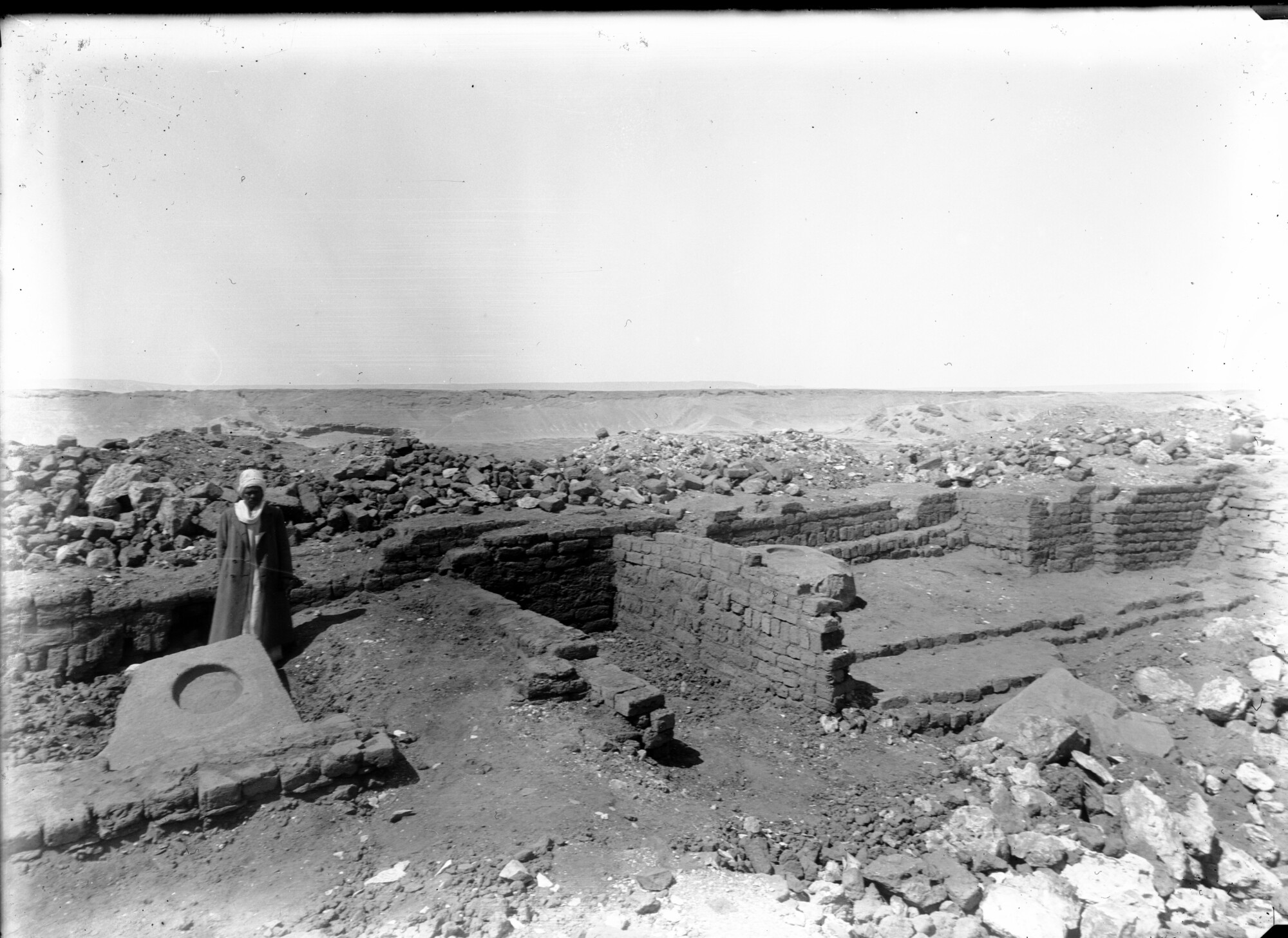
Fish in Egypt – a staple food or forbidden fruit?

One of the most famous quotes about Ancient Egypt comes from Herodotus. He states that Egypt is “a gift of the Nile.” He explains the reasons for this statement, among which he mentions easy access to fish. It seems, therefore, that fish should have been an important part of the ancient Egyptians’ diet. However, this contradicts references by other ancient authors who mention the existence of a taboo on eating fish in Egypt. So did the Egyptians eat fish?

Continue reading “Fish in Egypt – a staple food or forbidden fruit?”

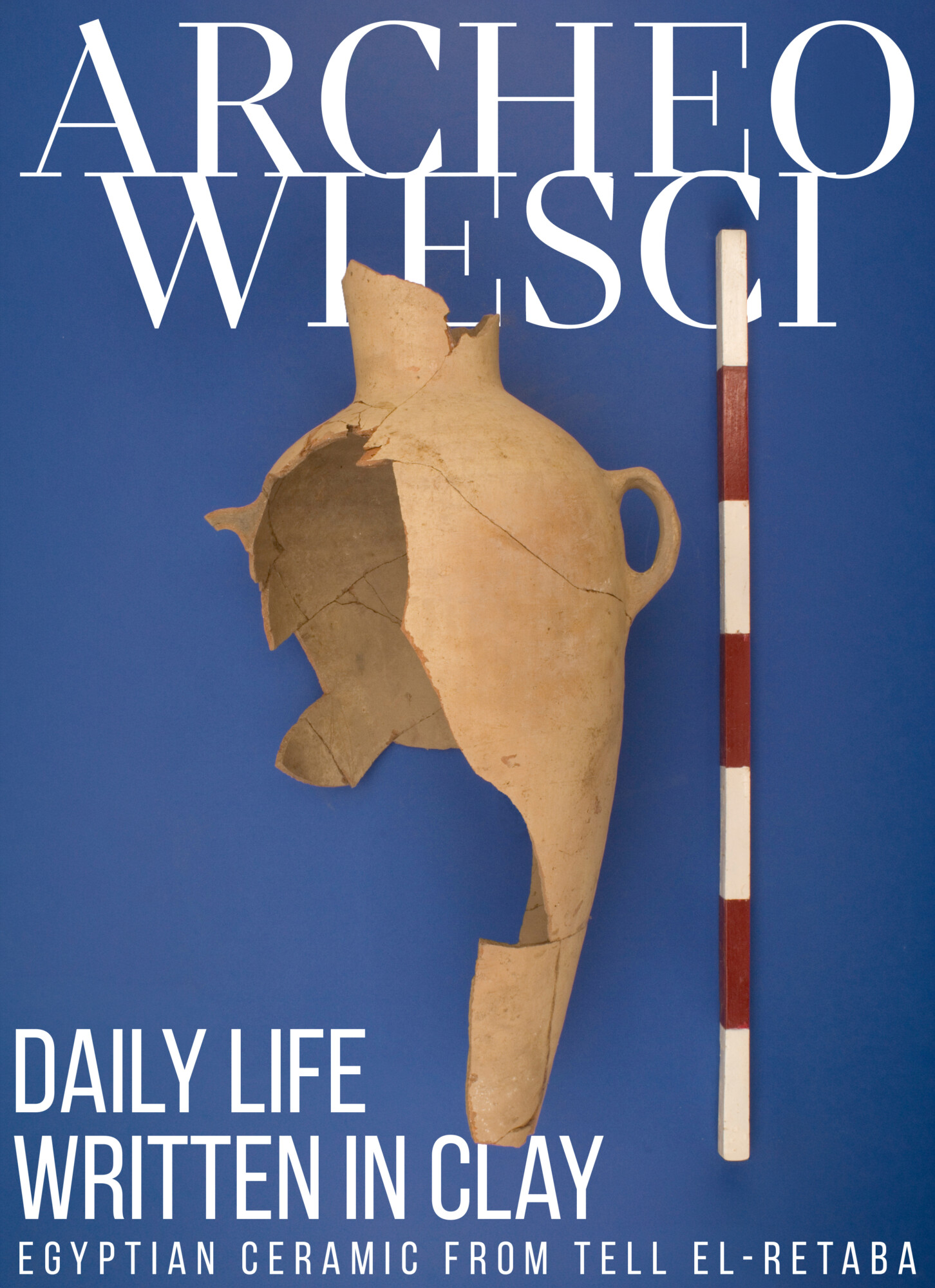
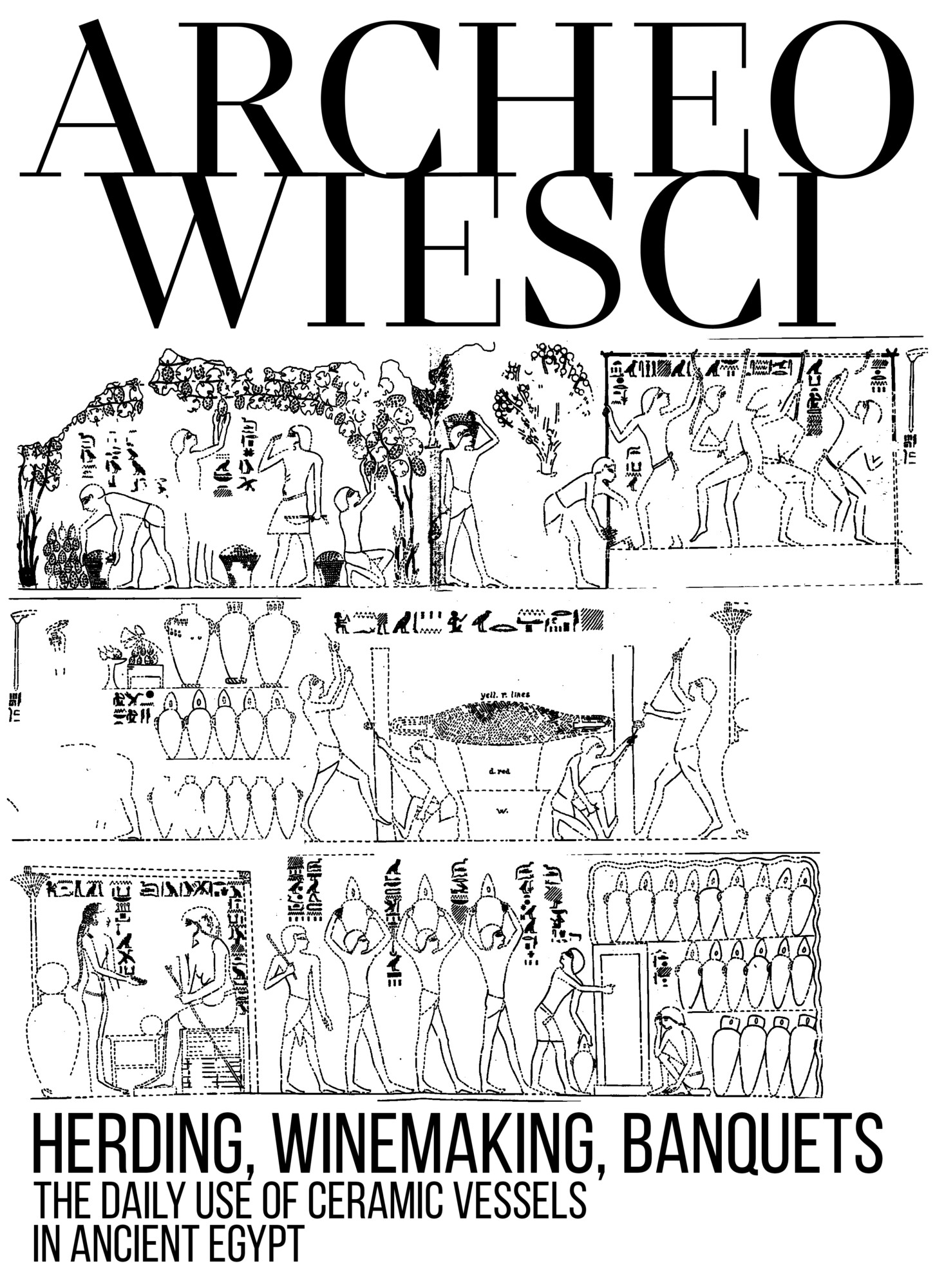
Daily Life Written in Clay – Egyptian Ceramic from Tell el-Retaba

Ceramic vessels, though often perceived merely as broken shards, constitute an invaluable source of knowledge about ancient Egypt. At archaeological sites such as Tell el-Retaba in the eastern Nile Delta, they are the most numerous category of finds. Each excavation season yields thousands, sometimes even millions, of pottery fragments. They may appear as a chaotic mass, but to a ceramologist—a specialist in the study of ceramics—every fragment is a testament to daily life, production technology, and trade networks from thousands of years ago.

Analysis of ceramics allows researchers not only to establish the chronology of archaeological layers, but also to determine the functions of the buildings in which the vessels were found. From storage rooms and workshops to dining areas. Differences in shapes, clay types, manufacturing techniques, and surface finishes also reveal much about the social status of the vessel users and far-reaching trade connections, both within Egypt and beyond its borders.

Continue reading “Daily Life Written in Clay – Egyptian Ceramic from Tell el-Retaba”

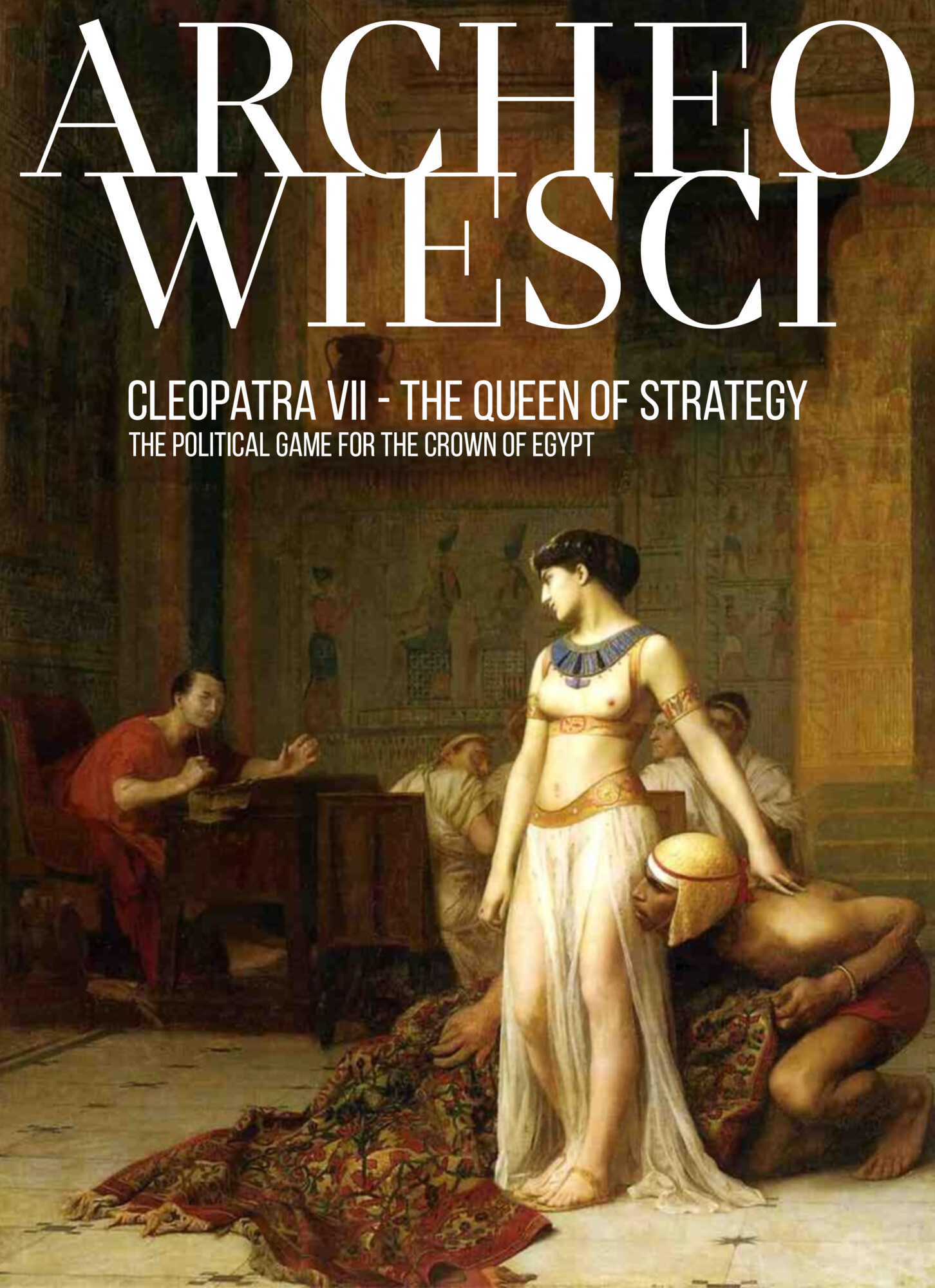
Cleopatra VII – The Queen of Strategy: The Political Game for the Crown of Egypt

In the history of Ancient Egypt, Cleopatra VII Philopator holds a special place. Not only as the last ruler of the Hellenistic Ptolemaic dynasty, but also as a vital political actor who, in the turbulent final years of Egypt’s independence, skillfully leveraged her assets in the struggle for power against the most powerful empire of the time: Rome.

Continue reading “Cleopatra VII – The Queen of Strategy: The Political Game for the Crown of Egypt”

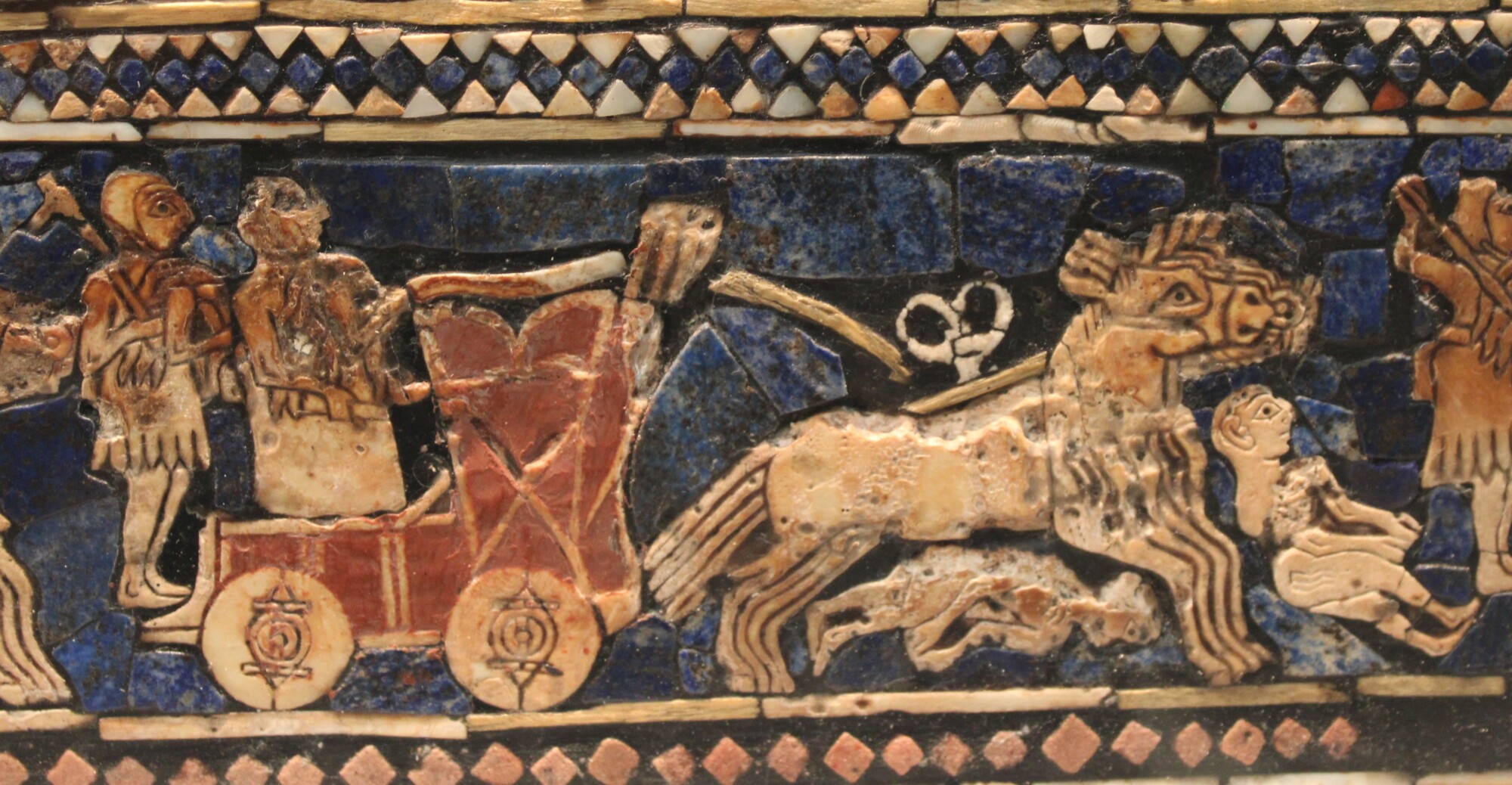
Are These Really Horses? Questioning the Identification of Horses in Third-Millennium BCE Iconography in Mesopotamia

The domestication of the horse had a significant impact on ancient human societies. Previous contributions published by Archeowieści have explored various aspects of these animals and their role in cultural development. The present article, based on a recent study by Zainab A. Albshir (University of Warsaw), examines the identification of equids in the iconography of ancient Mesopotamia, with particular attention to the challenges of distinguishing horses from other equid species.

Continue reading “Are These Really Horses? Questioning the Identification of Horses in Third-Millennium BCE Iconography in Mesopotamia”

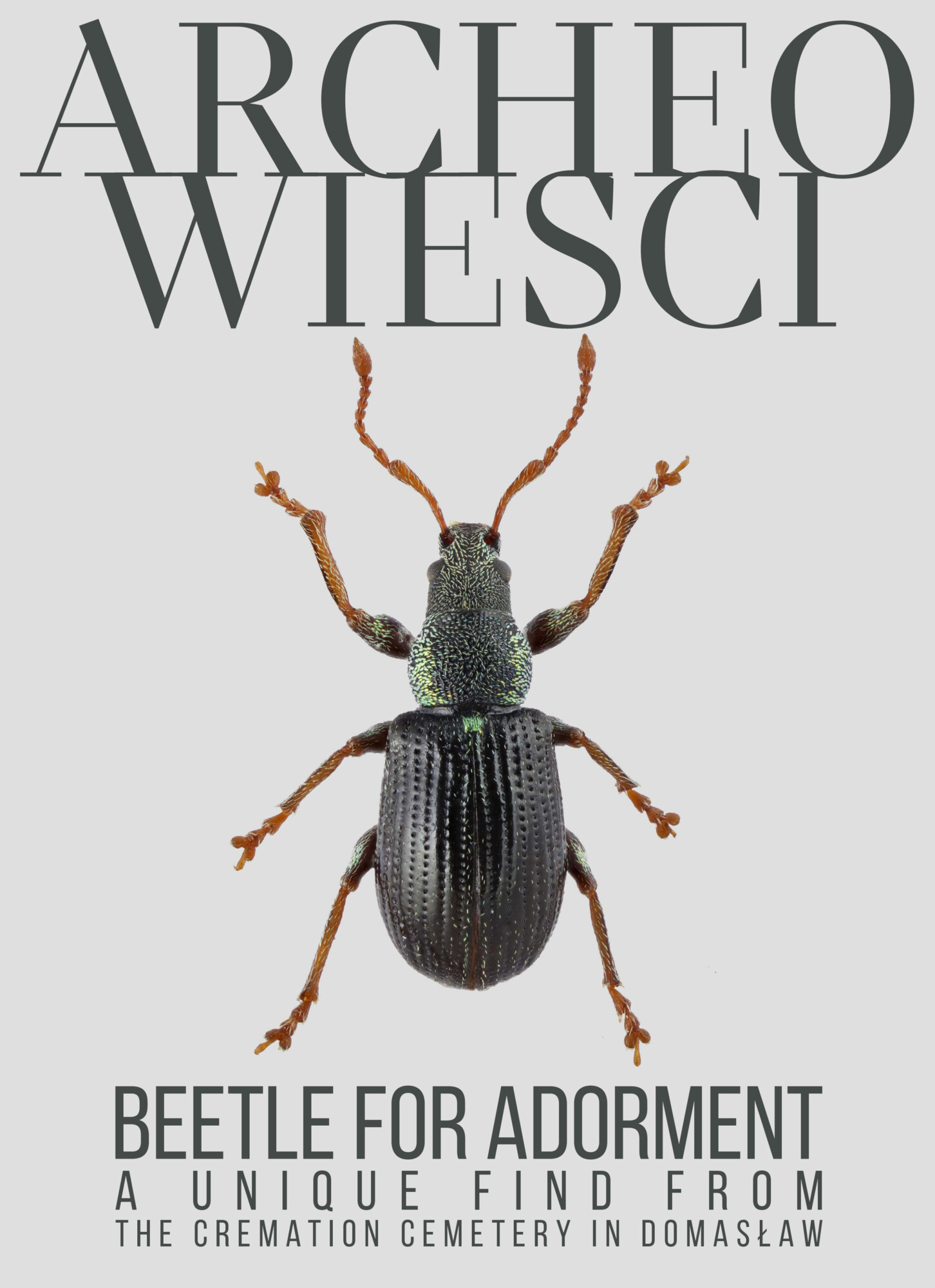
Beetle for adorment. A unique find from the cremation cemetery in Domasław.

Jewelry made from both organic and inorganic materials is one of the earliest and most popular material evidence of human activity and cultural development discovered at archaeological sites around the world. When we hear the word jewelry, we think of items made from precious metals, gemstones, or shells. But it turns out that past humans made decorations using a surprisingly wide range of materials. During research on burials from the extensive Lusatian culture necropolis in Domasław in Lower Silesia, Polish scientists found evidence of the deliberate deposition of chitinous beetle shells strung on a blade of grass in a grave. This unique discovery sheds new light on the culture of the communities inhabiting Lower Silesia in the early Iron Age.

Continue reading “Beetle for adorment. A unique find from the cremation cemetery in Domasław.”

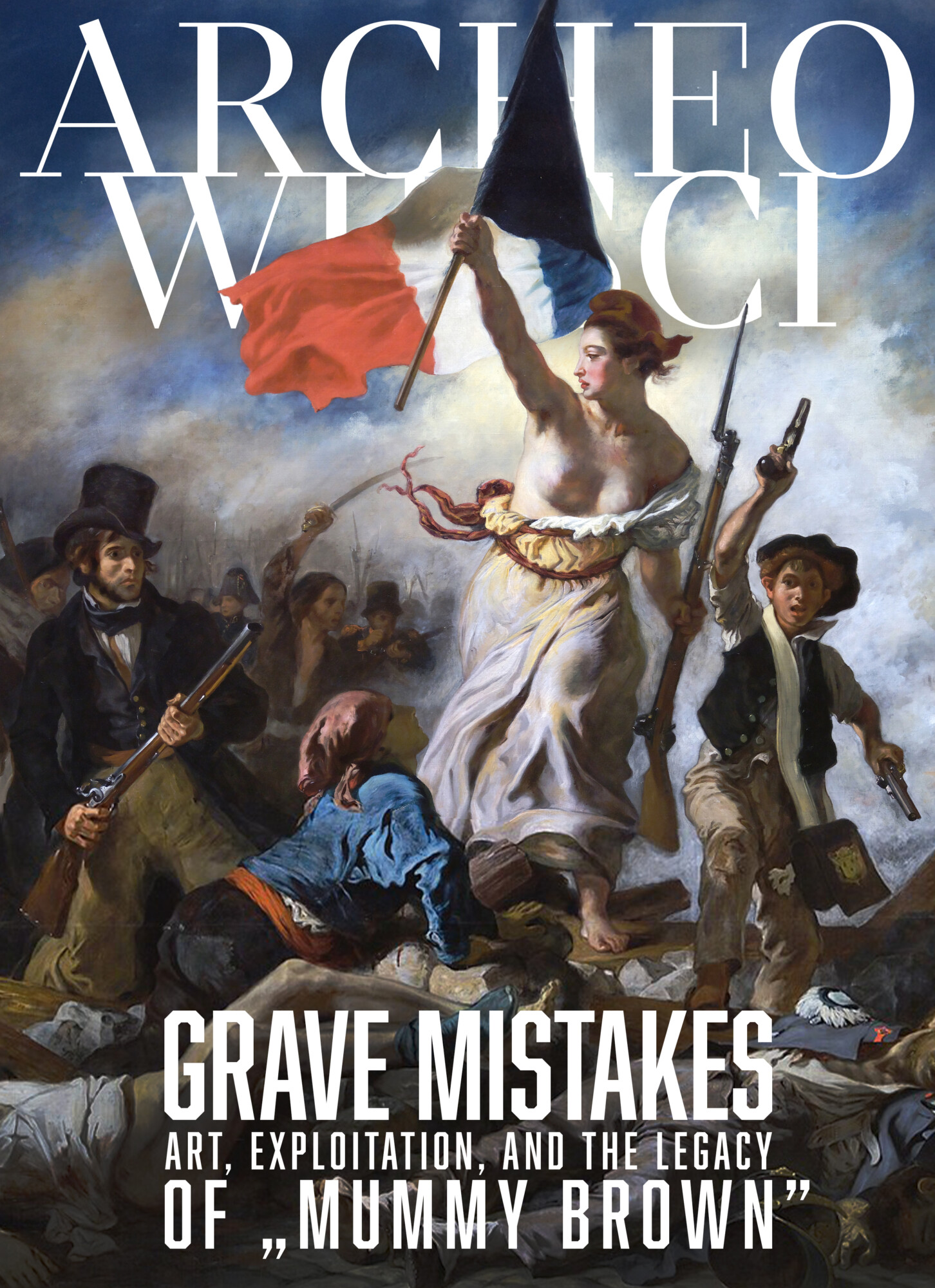
Grave Mistakes: Art, Exploitation, and the Legacy of Mummy Brown

“A London colourman informs me that one Egyptian mummy furnishes sufficient material to satisfy the demands of his customers for seven years. It is perhaps scarcely necessary to add that some samples of the pigment sold as ‘mummy’ are spurious,” writes Arthur Herbert Church in “The Chemistry of Paints and Painting”, published in 1890. The quote references the artist’s pigment made quite literally from the pulverized remains of Egyptian mummies, commonly known as Mummy Brown or “Egyptian Brown”. The practice of producing the mummy-based pigment dates back as early as the late 16th century. Though adored by many artists, the grisly origins of pigment raise the question of what artists are willing to use in the name of beauty.

Continue reading “Grave Mistakes: Art, Exploitation, and the Legacy of Mummy Brown”

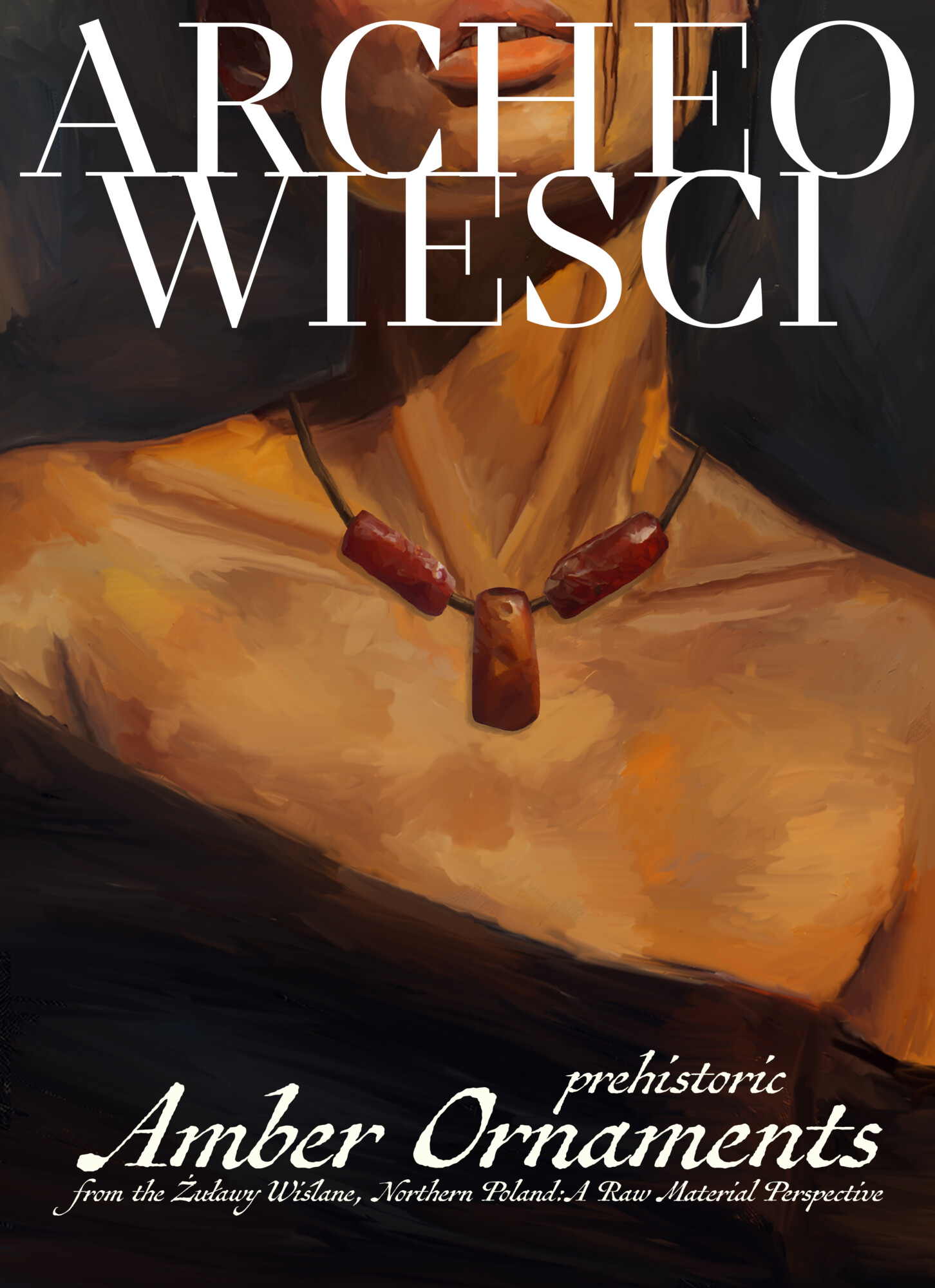
Prehistoric Amber Ornaments from the Żuławy Wiślane, Northern Poland: A Raw Material Perspective

Because of its beauty and unique properties, amber has fascinated people for thousands of years. With the holiday season now officially underway and many of us likely to spend at least a moment on the marine coast, today’s article focuses on the role amber played among communities living in the particular area of northern Poland during the Late Neolithic period. We will explore how its selection – based on colour, transparency, and structure – reflected the aesthetic and technological preferences of prehistoric craftspeople and users. These observations will then be compared with contemporary Polish trends in jewellery, aiming to highlight some subtle analogies between the past and the present. Join us on this fascinating journey through time, aesthetics, and technique, which proves that the choice of amber was never accidental. The inspiration for this article comes from recent research on some of the products from an amber workshop that existed around 4,500 years ago in the Żuławy Wiślane region, published by researchers from the Faculty of Archaeology at the University of Warsaw and the Museum of Earth in Warsaw Polish Academy of Sciences, in the journal Praehistorische Zeitschrift.

Continue reading “Prehistoric Amber Ornaments from the Żuławy Wiślane, Northern Poland: A Raw Material Perspective”

Unpublished documents from Pathyris – the demotic Gebelein temple archive

The Ptolemaic Pathyris Project, funded by the National Science Centre (Polonez Bis 2 program, grant no. 2022/45/P/HS3/01807) and hosted by the Institute of Mediterranean and Oriental Cultures of the Polish Academy of Sciences, aims to reconstruct the urban layout and domestic architecture of Pathyris, a town located approximately 30 km southwest of Luxor in the Gebelein micro-region, using archival, papyrological, and geospatial data.

The site has yielded a vast collection of Greek and Demotic (an ancient Egyptian script used between the 7th century BCE and the 5th century CE) papyri, ostraca, and wooden tablets. To date, around 1,300 documents have been published, and many of the family archives have been extensively studied, providing a unique glimpse into various socio-economic aspects of Ptolemaic society

The lecture by Professor Quack, originally scheduled for February 18, 2025, has been postponed to April 2, 2025, at 1:00 PM.
Place: Maria Skłodowska-Curie Hall (1st floor), Staszic Palace, Nowy Świat 72, 00-330, and online.[Wykł

Continue reading “Unpublished documents from Pathyris – the demotic Gebelein temple archive”

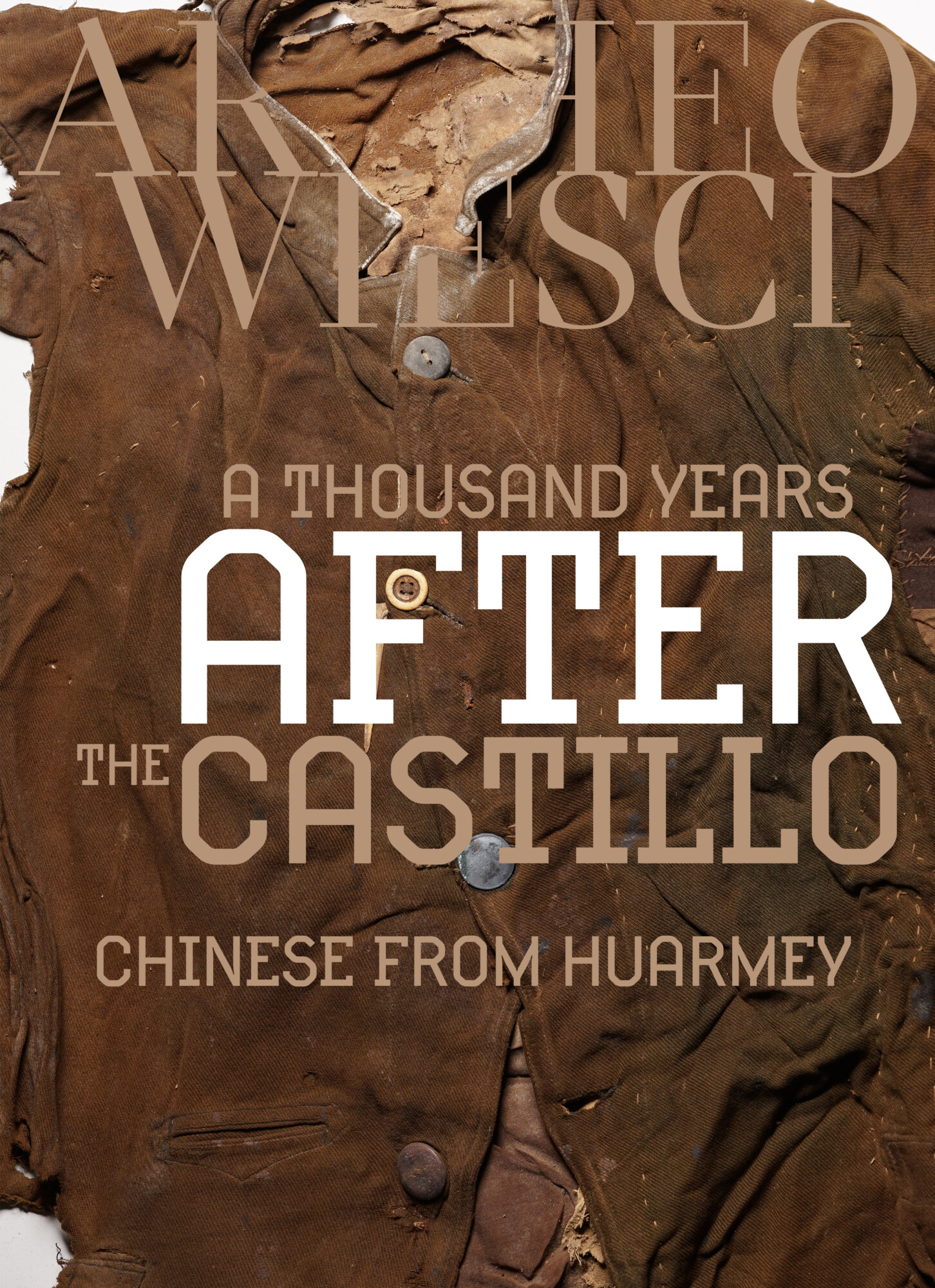
Thousand years after Castillo: Chinese immigrants in Huarmey

One of the most unexpected and surprising discoveries at Castillo de Huarmey site were the burials dated to the very beginning of the 20th century. They were found within palacio, which is the architectural establishment located at the foot of the hill on which the mausoleum is situated, from which the Castillo de Huarmey is best known. The whole area of this archaeological site functioned as a burial site at least since the Early Horizon (see: Tysiąc lat przed Castillo: Atypowe pochówki z Huarmey ENG!) through the Middle Horizon (these burials were associated with the presence of the Wari Empire in the area), to the Late Horizon. However, discovery of the much younger burials indicate that Castillo functioned as the funeral zone in the minds of even 20th-century residents of the Huarmey Valley. Certainly the hill and overlooking mausoleum, were strongly distinguished in the local landscape (before the great earthquake of 1970 probably it might dominate evenmore so than today), was considered as huaca, which means a “sacred place.” Similar to the platforms of the Moche Valley, or those in the area of modern Lima (e.g. Huaca Pucllana located in Miraflores district).


DISCLAIMER: THIS ARTICLE CONTAINS PHOTOS OF HUMAN REMAINS

Continue reading “Thousand years after Castillo: Chinese immigrants in Huarmey”

A thousand years before the Castillo: deviant burials from Huarmey

Although the archaeological site of the Castillo de Huarmey is mainly known for discoveries connected with the presence of the Wari culture in this region (mausoleums and burials associated with elites of this pre-Inca empire), both earlier and more recent features can be found within its area. A cemetery which could be even a thousand years older than the famous Mausoleum was unearthed in the close proximity to the site.


DISCLAIMER: This article contains the photographs of human remains

Continue reading “A thousand years before the Castillo: deviant burials from Huarmey”