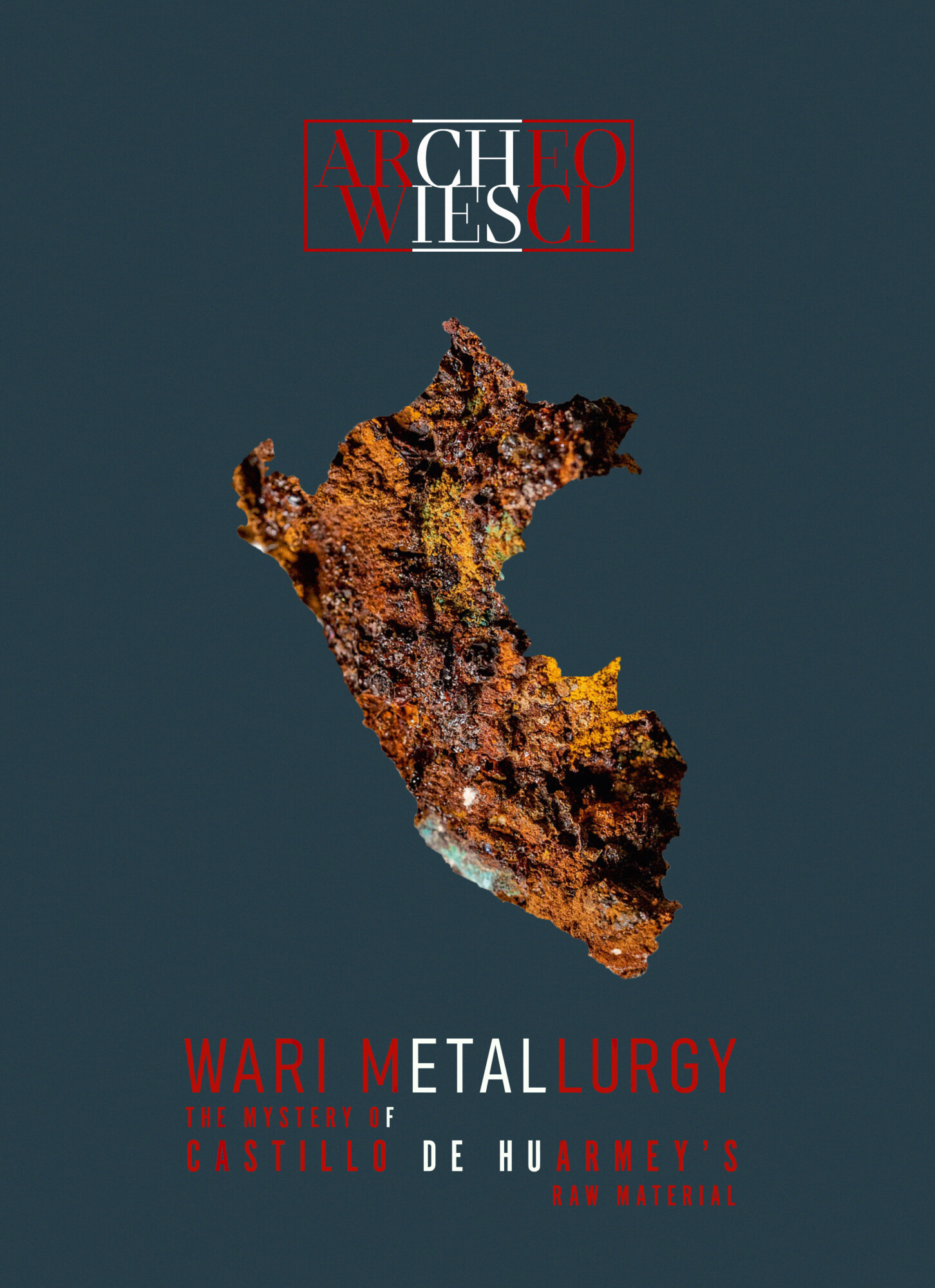
Wari Metallurgy: The Mystery of Castillo de Huarmey’s Raw Material

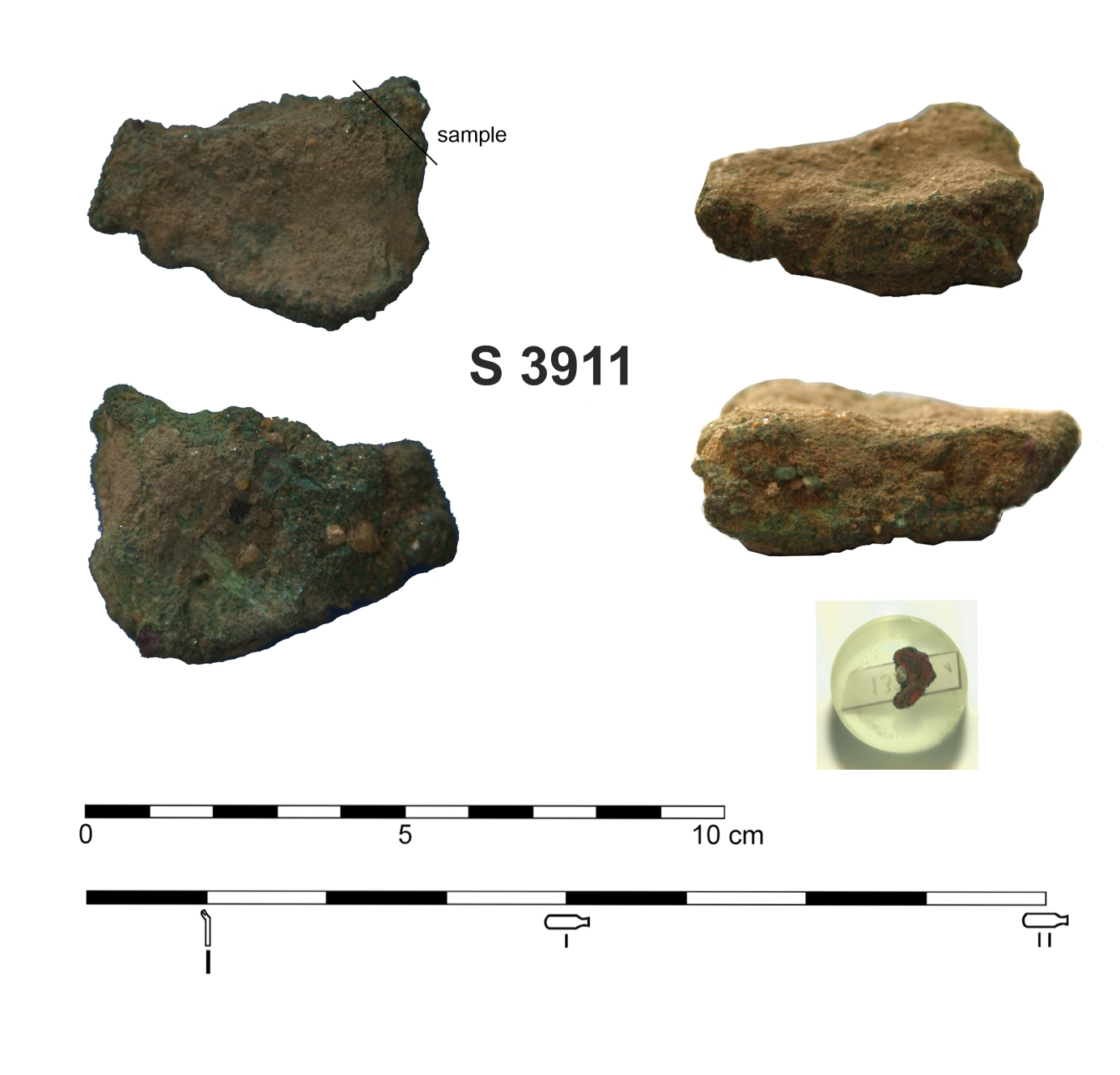
Wari metallurgy at Castillo de Huarmey left behind not only spectacular ornaments and copper-alloy objects, but also far less visually striking traces of ancient technologies. One of them is a small, irregular fragment of material formed during metallurgical processes, found in the burial of a young man equipped with copper-alloy objects.

Although it does not look like a typical artefact, it turned out to be an important source of information. First, it allowed researchers to identify traces of a technology connected with arsenical metals. Then it became the starting point for another question: where could the raw material whose geochemical trace survived in this fragment have come from?

New lead isotope analyses indicate that this material best matches the south-central Andes. The strongest candidate is the Pulacayo region in present-day Bolivia, although the authors of the study stress that this does not automatically mean that raw ore was transported to Huarmey. What may have circulated instead were semi-products, finished objects, fragments of technological materials, knowledge, and even specialists.
Continue reading “Wari Metallurgy: The Mystery of Castillo de Huarmey’s Raw Material”
Fresh Copper Reveals Insights into Egyptian Metallurgy

Ancient Egyptian metals are usually associated with royal treasures and spectacular tomb finds. New research from Tell el-Retaba shifts attention to everyday metallurgy, revealing how copper and bronze were processed in a settlement on Egypt’s northeastern frontier. The discoveries made by a Polish and Slovak team offer rare insight into small-scale metalworking during the New Kingdom and Third Inermediate Period.

Continue reading “Fresh Copper Reveals Insights into Egyptian Metallurgy”

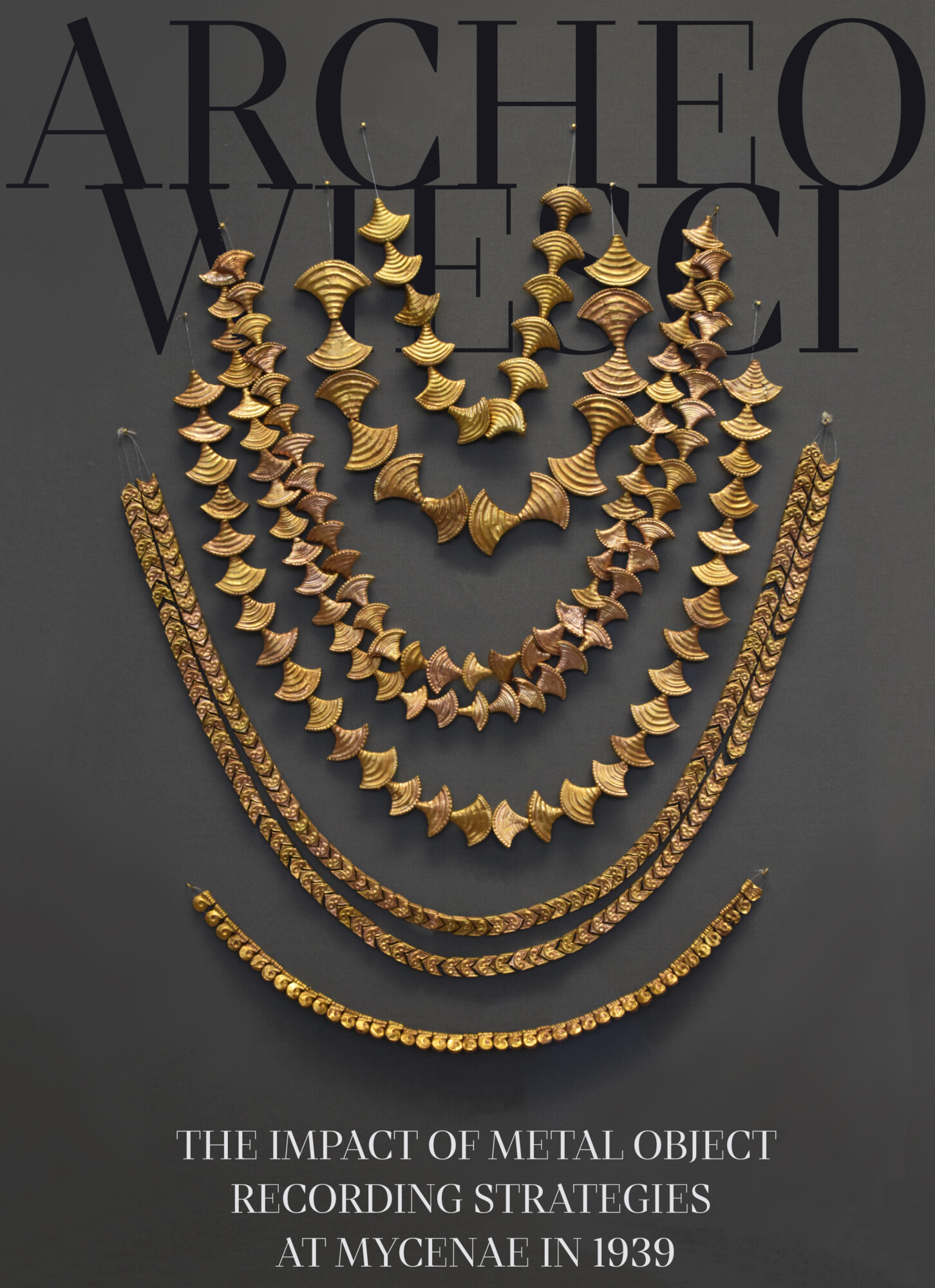
The impact of metal object recording strategies at Mycenae in 1939

Metal objects from Mycenae are some of the most famous in the archaeological world. Homer memorably described Agamemnon’s Mycenae as “rich in gold”, proven accurate in 1876 when Henrich Schliemann uncovered tombs filled with astonishing gold artefacts, amongst many other valuable treasures.

Trudging through field notes kept in an obscure archaeological notebook for the 1939 archaeological excavations at Mycenae led to an unexpected discovery: a cache of metal artefacts from a rubbish pit near the monumental Treasury of Atreus tomb, the so-called “Atreus bothros”. Yet the objects are unpublished and almost all are missing from the official finds catalogue! What happened to them? The mystery could only be solved by travelling back to 1939…

Continue reading “The impact of metal object recording strategies at Mycenae in 1939”