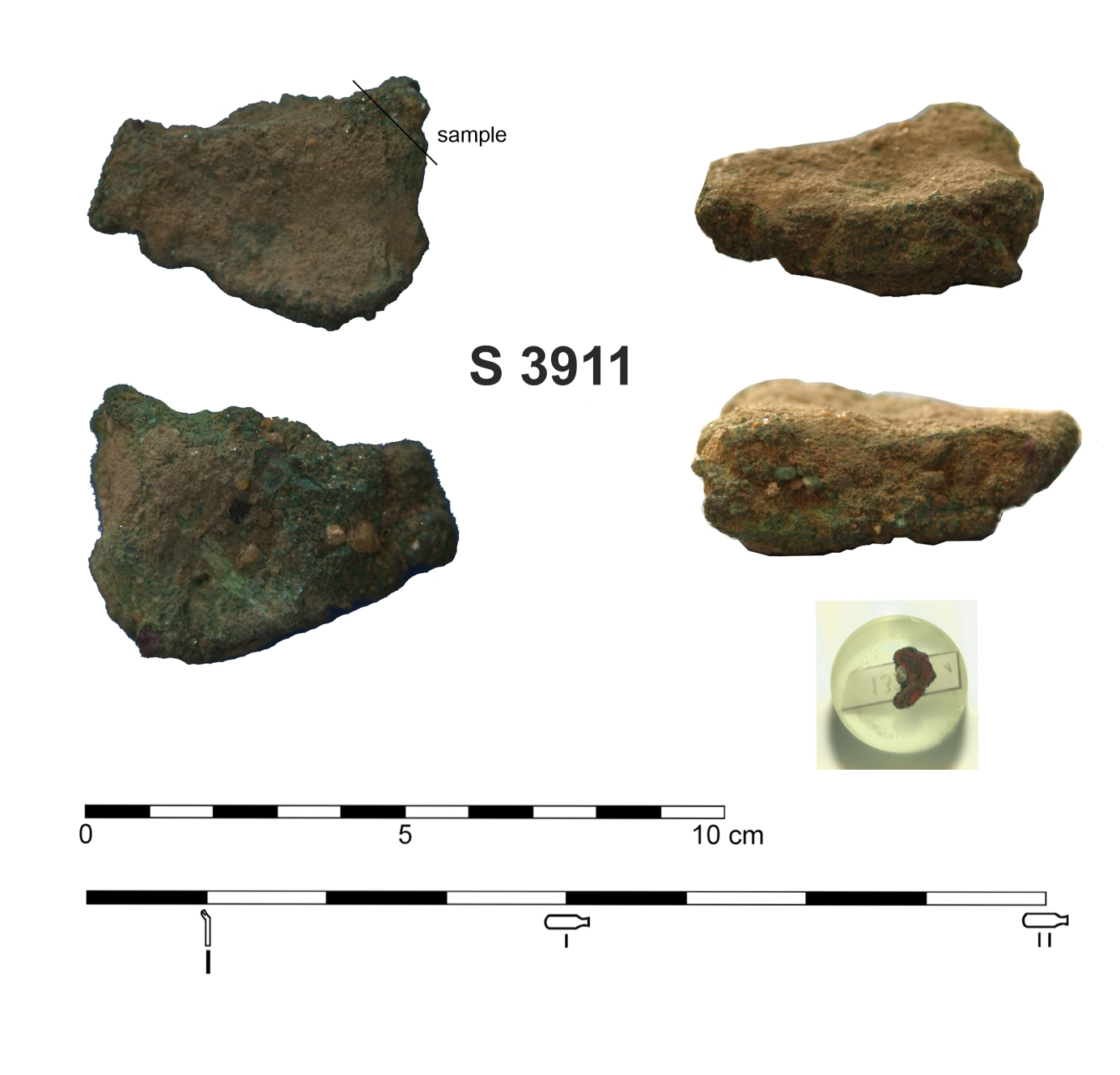
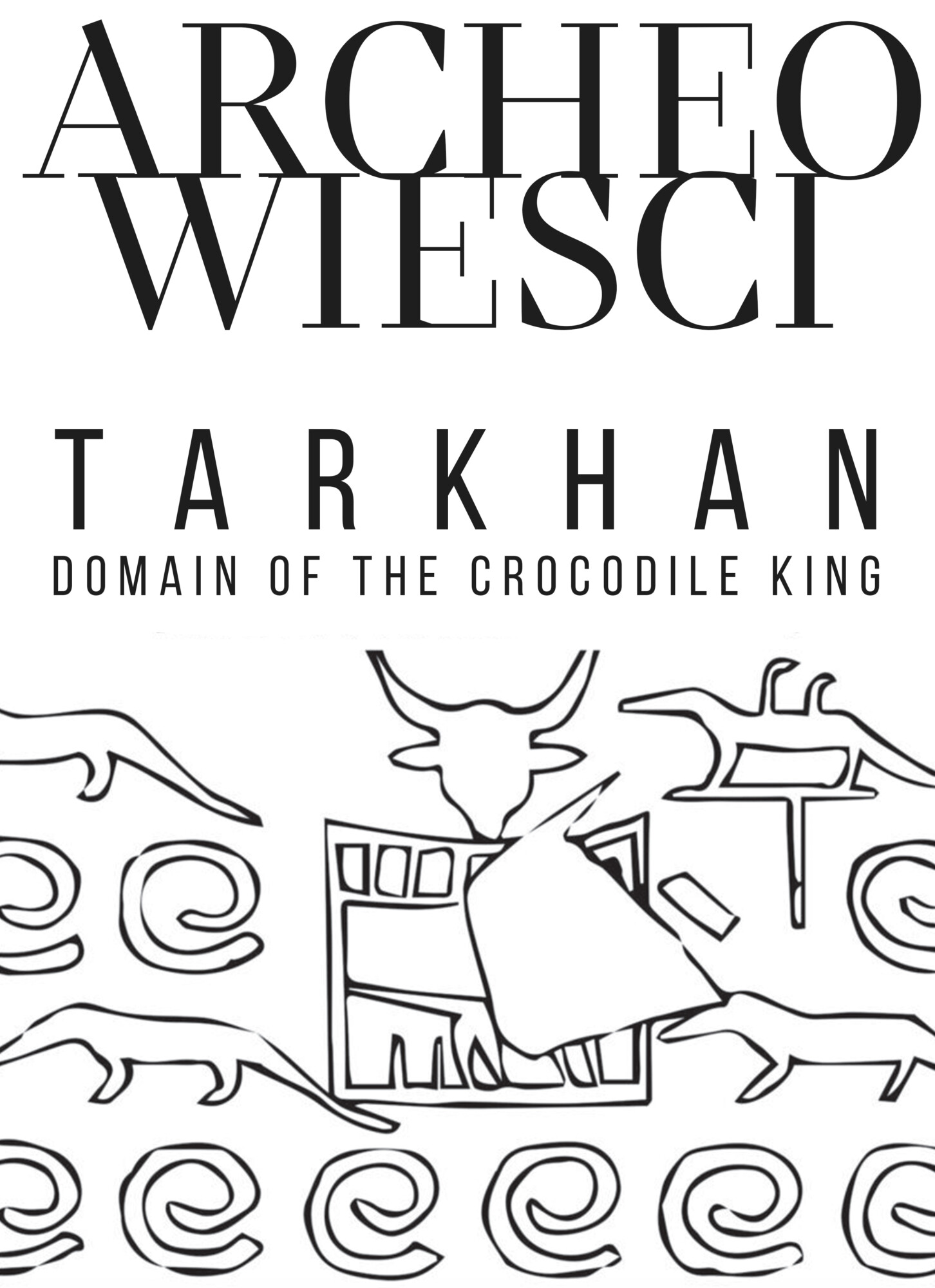
The cemetery at Tarkhan was established around 3300 BCE, during the Naqada IIIA2 period, and provides evidence of the mobility of the Naqada population. The Naqada culture, which initially developed in Upper Egypt near the present-day town of Naqada, expanded its territories northward. In the Fayum oasis region, other important cemeteries associated with the Naqada community can be found, such as Abusir el-Melek and el-Gerza, with the latter located just a few kilometers south of Tarkhan, the focus of today’s story.
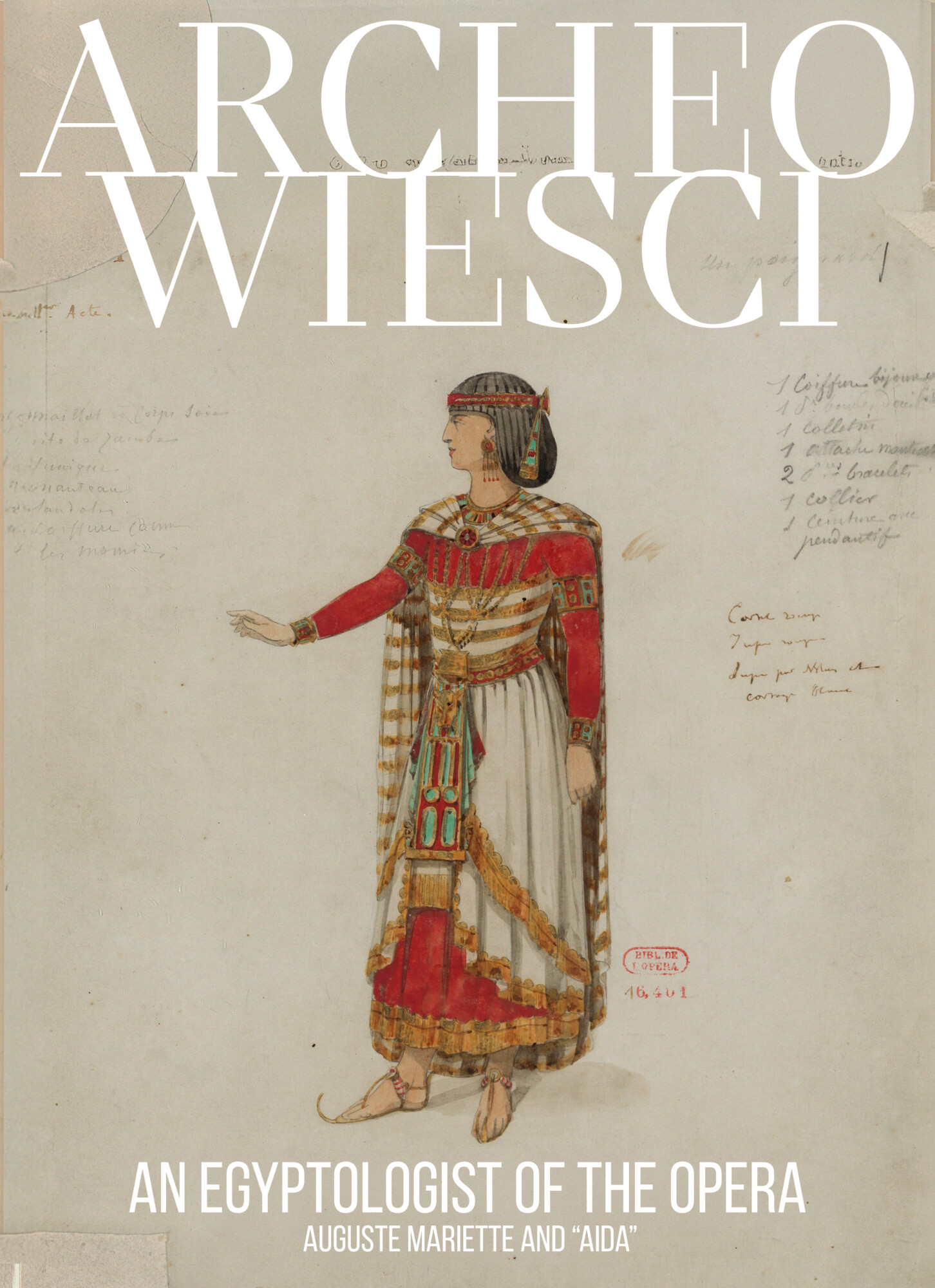 Aida, often referred to as an “Egyptian opera,” became a classic almost immediately after its premiere in 1871. Initially, it was intended to grace the celebrations marking the opening of the Suez Canal, but ultimately this plan did not come to fruition – more than two years passed between the inauguration of the Canal and the first performance of Aida. Set in ancient Egypt, it continues to attract thousands of viewers, fascinated by the tragic story of the main character and the stunning music by Giuseppe Verdi. Few people know that the “archaeological” character of this opera was the work of a man whose name is now known to every enthusiast of ancient Egypt – the French Egyptologist Auguste Mariette (1821–1881).
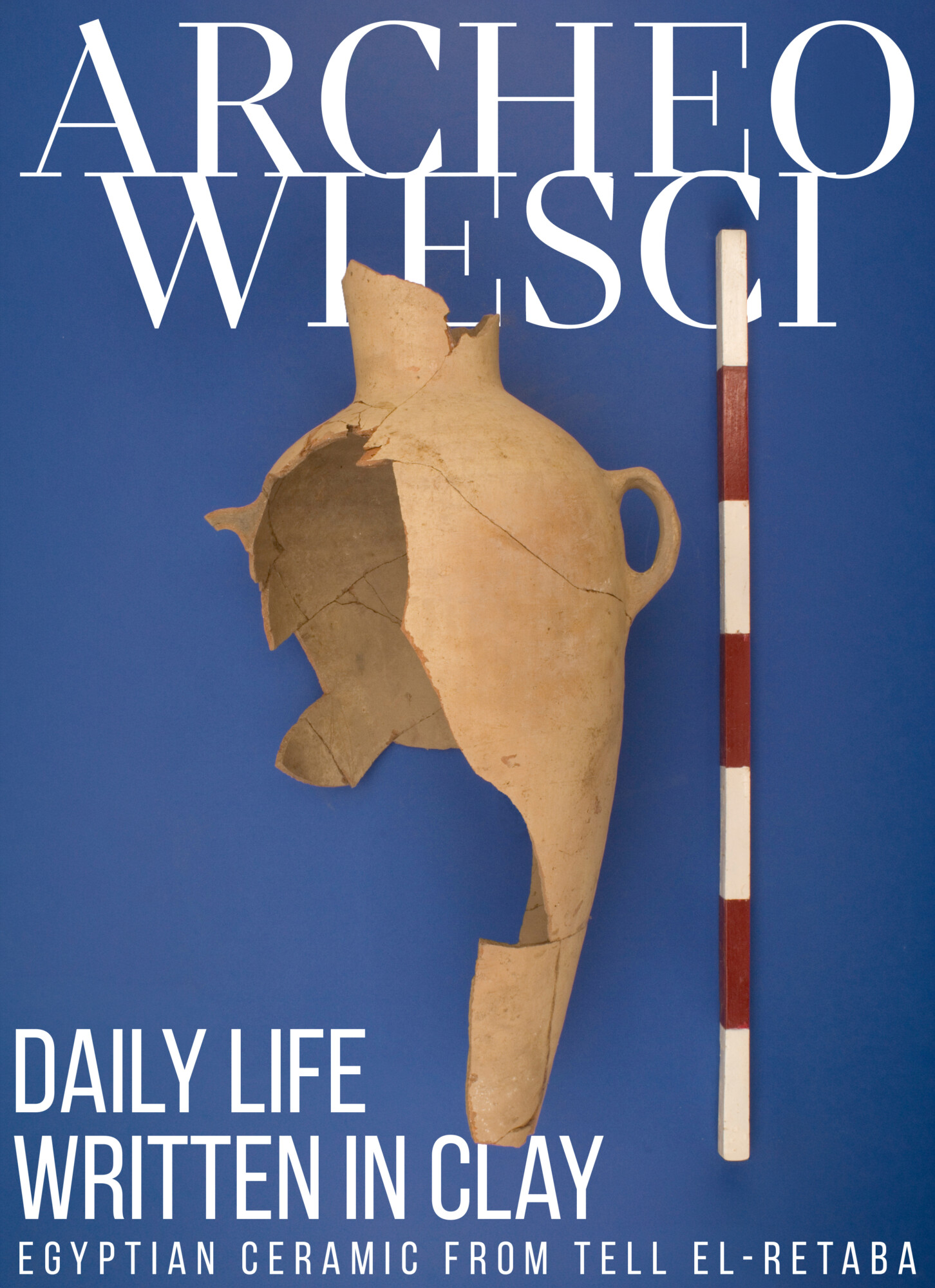
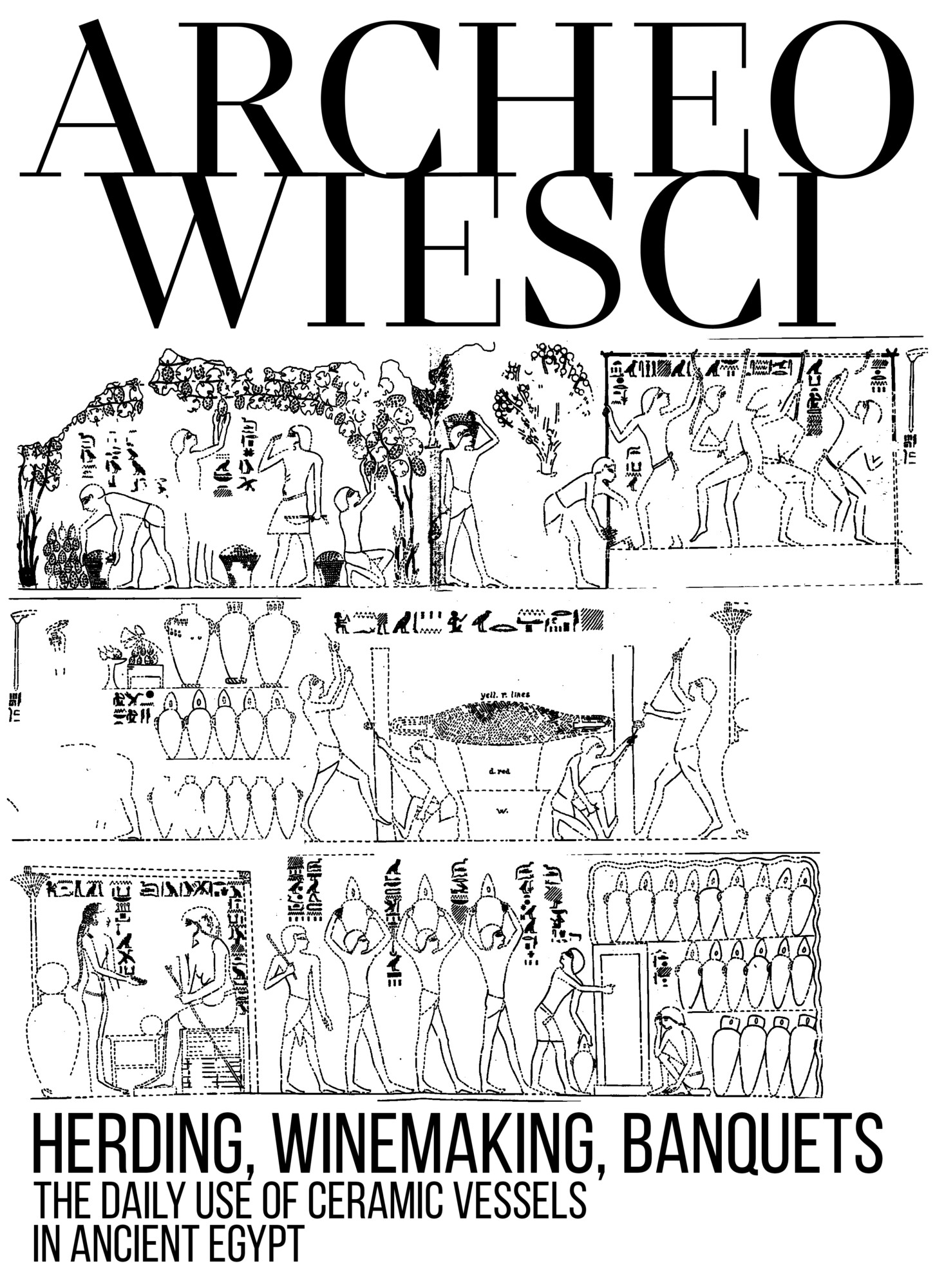 It is often difficult for us to imagine what everyday life was like in ancient times. We fantasize about the past, romanticize its image, and create visions of mystical, incomprehensible rituals. We also often see it through the prism of wars and elite culture. Meanwhile, our ancestors most likely had similar needs and functioned in a similar way to us. A good example of this similarity in experience is the use of ceramic vessels. Just as we cook in pots (admittedly metal ones today) and drink from cups, the ancient Egyptians used specific vessels for specific purposes.