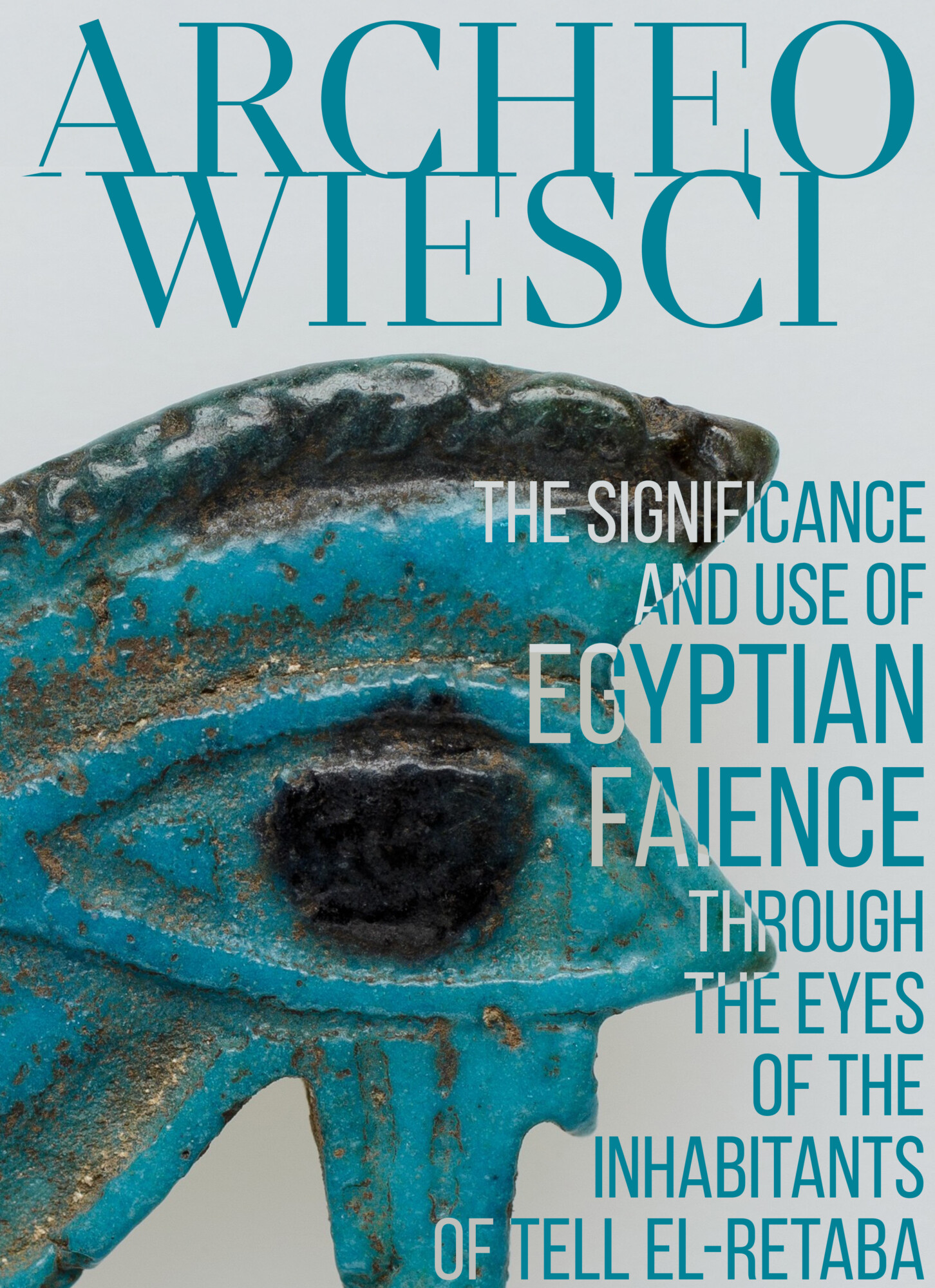
The significance and use of Egyptian faience through the eyes of the inhabitants of Tell el-Retaba

In Ancient Egypt, faience was a material commonly used to produce a wide variety of objects. Today, it is mainly associated with small, blue-green exhibits found in museum displays. However, for the ancient Egyptians, faience was more than just a utilitarian material. During the excavations carried out by the Polish-Slovak Archaeological Mission at the Tell el-Retaba site in northeastern Egypt in the 2017-2023 seasons, several dozen faience artifacts were discovered. All the objects made of faience were found in a settlement dating back to the Third Intermediate Period. Analysis of these finds confirms that, in addition to its practical function, faience may have had symbolic or ritual properties. But can the material itself tell us more about the community that inhabited the Tell el-Retaba settlement at the beginning of the 1st millennium BCE?
Continue reading “The significance and use of Egyptian faience through the eyes of the inhabitants of Tell el-Retaba”

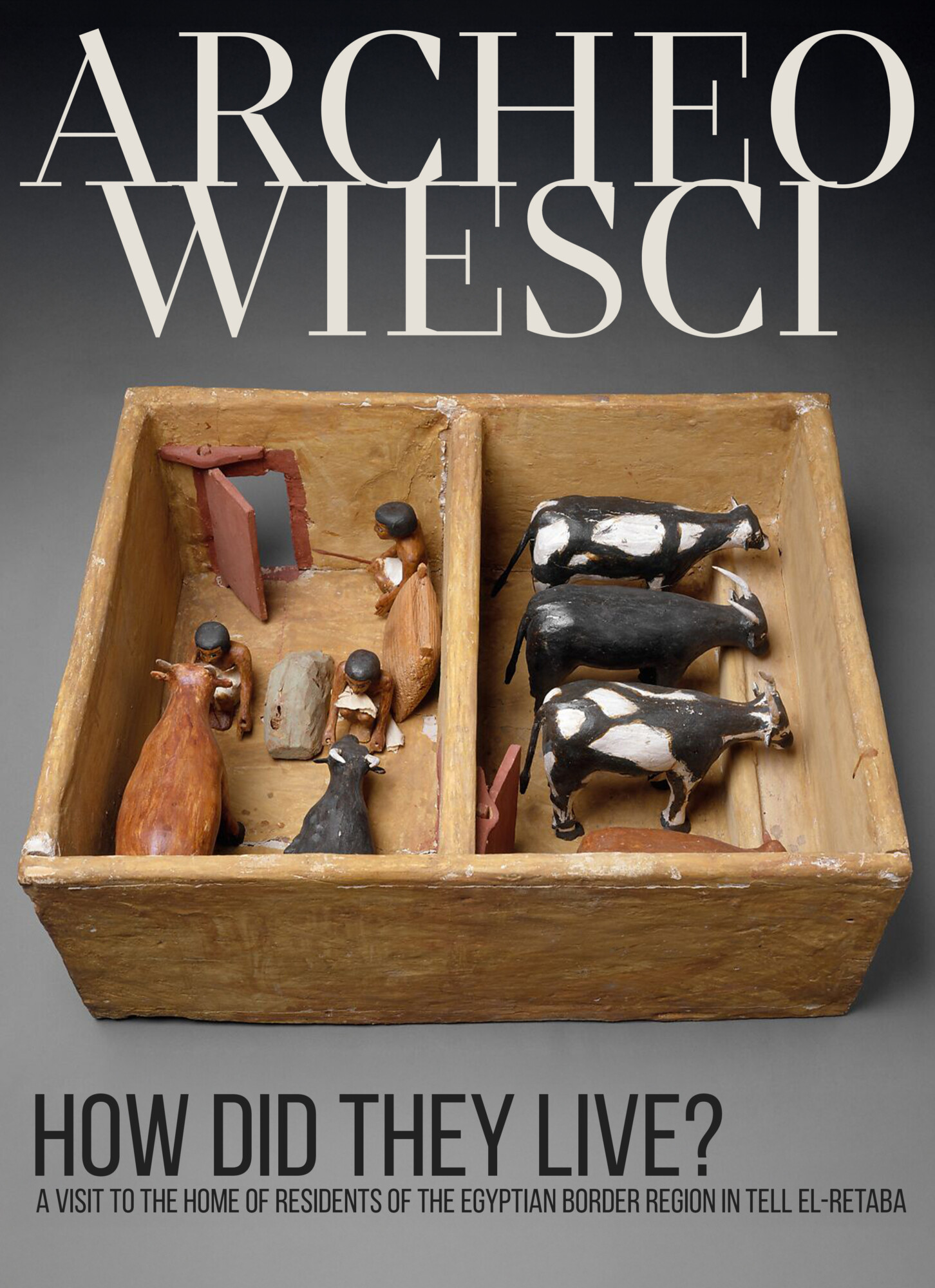
How did they live? A visit to the home of residents of the Egyptian border region in Tell el-Retaba

The first thing that comes to mind when we think of Ancient Egypt is monumental buildings – tombs and temples. Whether we like it or not, our image of antiquity in the time of the pharaohs is based on the perspective left behind by representatives of the elite. Meanwhile, settlement archaeology also gives us insight into the lives of other social classes, opening up opportunities for us to learn about the reality of ordinary people. In this article, we therefore travel to Tell el-Retaba in the first half of the 1st millennium BC – a settlement located on the Egyptian border – to see for ourselves how its inhabitants lived.

Continue reading “How did they live? A visit to the home of residents of the Egyptian border region in Tell el-Retaba”

Fresh Copper Reveals Insights into Egyptian Metallurgy

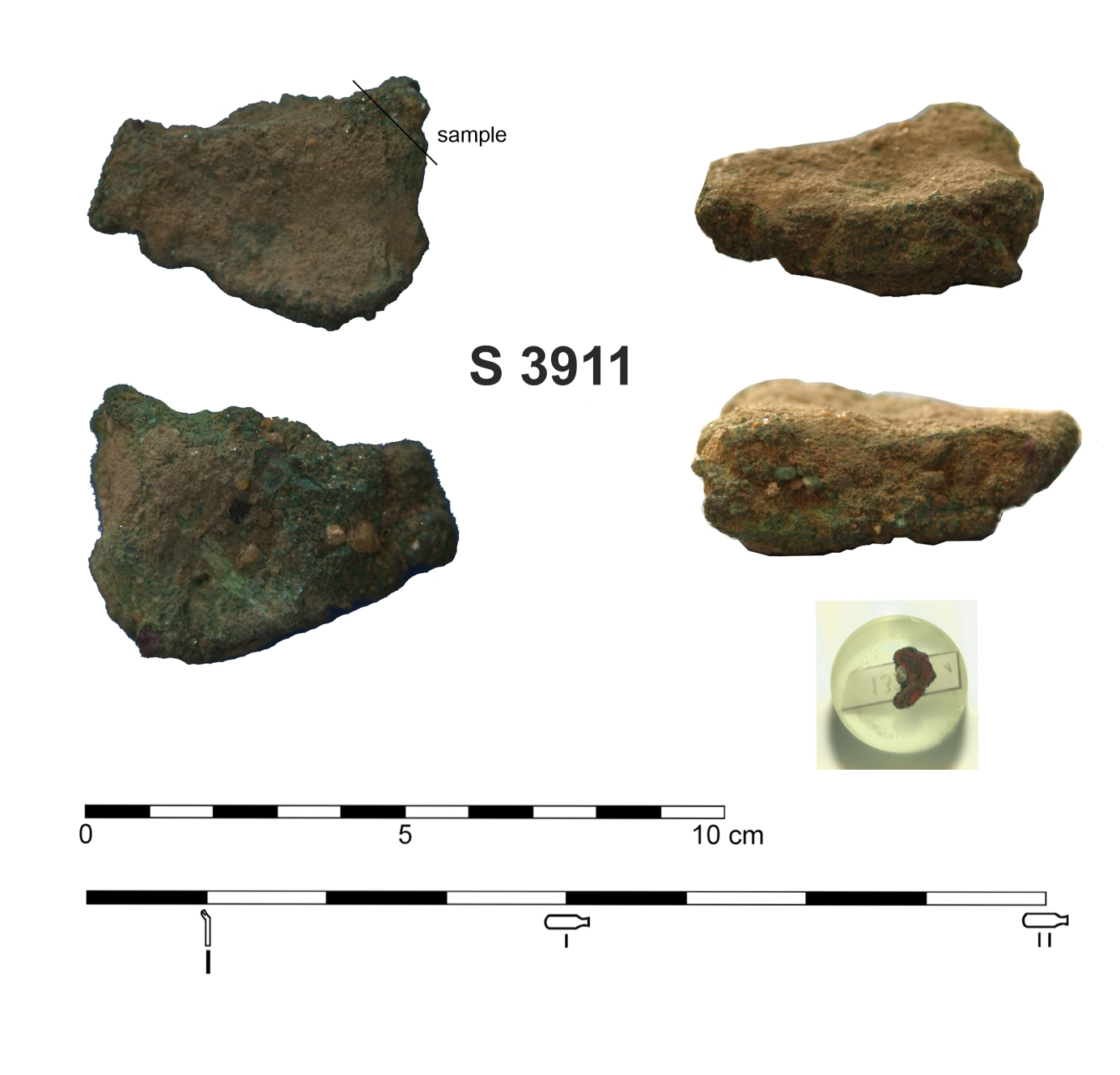
Ancient Egyptian metals are usually associated with royal treasures and spectacular tomb finds. New research from Tell el-Retaba shifts attention to everyday metallurgy, revealing how copper and bronze were processed in a settlement on Egypt’s northeastern frontier. The discoveries made by a Polish and Slovak team offer rare insight into small-scale metalworking during the New Kingdom and Third Inermediate Period.

Continue reading “Fresh Copper Reveals Insights into Egyptian Metallurgy”