Fresh Copper Reveals Insights into Egyptian Metallurgy
Ancient Egyptian metals are usually associated with royal treasures and spectacular tomb finds. New research from Tell el-Retaba shifts attention to everyday metallurgy, revealing how copper and bronze were processed in a settlement on Egypt’s northeastern frontier. The discoveries made by a Polish and Slovak team offer rare insight into small-scale metalworking during the New Kingdom and Third Inermediate Period.
A Polish and Slovak archaeological team investigating the ancient Egyptian site of Tell el-Retaba has uncovered evidence of small-scale metalworking activity, particularly from the New Kingdom and Third Intermediate Period (ca. 1550–664 BCE). While the golden mask of Tutankhamun and the treasures of the royal tombs at Tanis are widely recognised from these periods, much less is known about the everyday use of metals in ancient Egyptian settlements. While recent discoveries have focused on Egyptian kings and elite burials, our research brings attention to the copper metallurgy of ordinary people. A recently published paper in the journal Egypt and the Levant, authored by Egyptologist Dr Martin Odler from Newcastle University and archaeometallurgist Ing. Jiří Kmošek from the Academy of Fine Arts Vienna and the Nuclear Physics Institute of the Czech Academy of Sciences, sheds light on this aspect of ancient life. The study was conducted in collaboration with researchers from the Institute of Oriental Studies, Slovak Academy of Sciences, Bratislava, and the University of Warsaw, and provides the first corpus of metalworking data from the early New Kingdom and Third Intermediate Period in Egypt. Polish and Slovak Egyptologists have been working at the site for more than 15 years.
Fresh Copper at Tell el-Retaba
According to the lead author:
‘Among the most fascinating discoveries is evidence of freshly processed copper, likely sourced from the nearby Eastern Desert or Sinai Peninsula, dated to the early New Kingdom, that is, to the middle of the second millennium BC. While it has generally been assumed that all copper was recycled during the New Kingdom, this study identifies Tell el-Retaba as a key entry point for newly mined copper into the Nile Valley.’
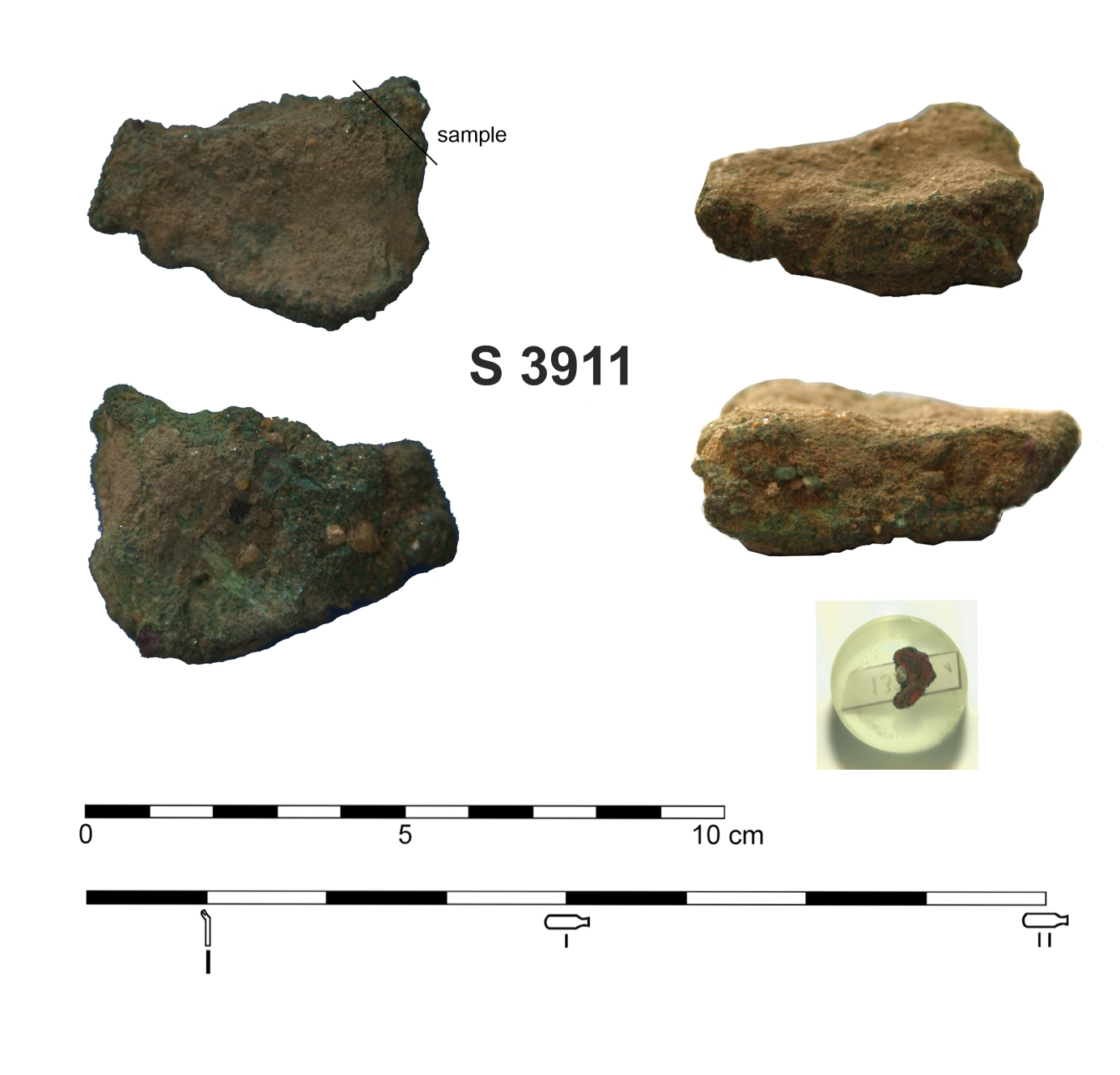
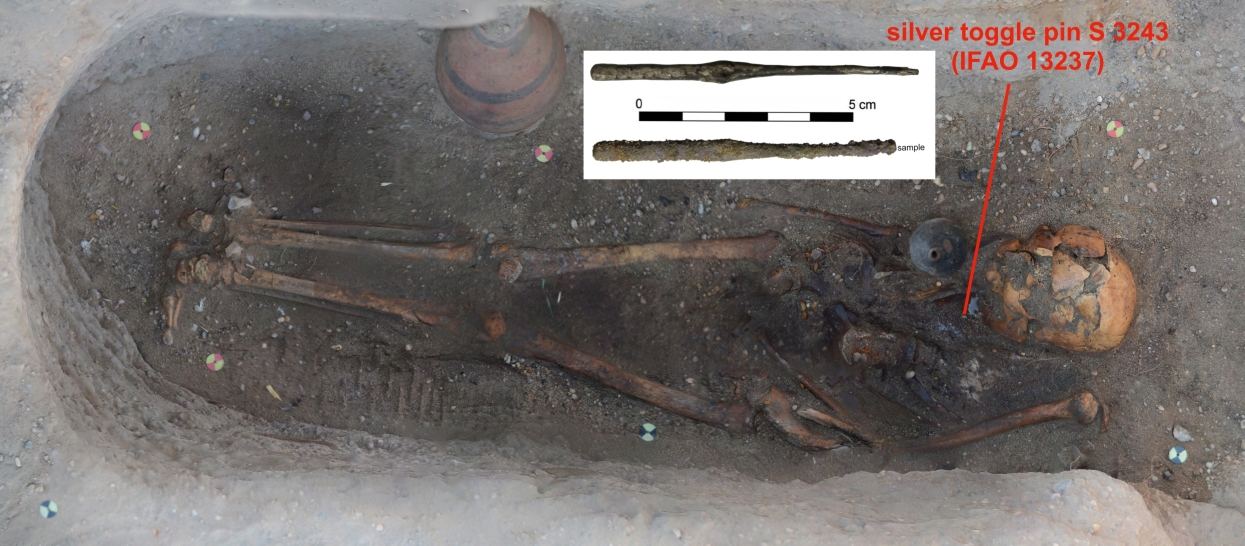
The team identified a fragment of a copper ingot, one of the very few ingots documented in the entire history of ancient Egypt. Additionally, a unique silver toggle pin from the early New Kingdom was found to contain 7% lead, a composition previously unknown in Egyptian silver artefacts. Finally, this research represents the first systematic study of settlement metallurgy from Egypt’s early Iron Age, at the turn of the second and first millennia BC, revealing the continuation of tin bronze production, the dominant alloy of the Late Bronze Age, as well as the use of an unusual leaded copper alloy, which is rarely preserved in Egypt.
How the Metal Finds Were Analysed
The study analysed 31 samples of metal artefacts and production remains using portable X-ray fluorescence spectrometry, thin sections, and metallographic microscopy to identify their specific characteristics (metal phases in the microstructure, observable with microscope). The results unveil a complex metallurgical landscape characterised by the use of various alloys, including tin bronze and leaded copper. For the first time, a comprehensive account of small-scale settlement metalworking has been documented at an Egyptian site, specifically in the early New Kingdom and Third Intermediate Period. The research was conducted with the support of Egypt’s Ministry of Tourism and Antiquities, with analyses carried out in the laboratory of the French Institute of Egyptian Archaeology in Cairo.
Tell el-Retaba, located in the Wadi Tumilat, west of contemporary city of Ismailiya at Suez Canal, served as a significant settlement and military fortress from the Second Intermediate Period through the New Kingdom and into the Third Intermediate Period. Its strategic location near Egypt’s northeastern frontier made it a vital hub for trade and cultural exchange. The excavations at the site carefully take its fine stratigraphy into account, allowing the metalworking remains to provide a detailed view of centuries of metallurgical evolution. This study also honours the memory of Květa Smoláriková, a valued member of the mission who passed away in 2024.
Author: Dr Martin Odler is a visiting fellow at the School of History, Classics and Archaeology of Newcastle University (United Kingdom). He published three monographs and numerous articles on the ancient Egyptian and Nubian copper, especially of the Bronze Age.