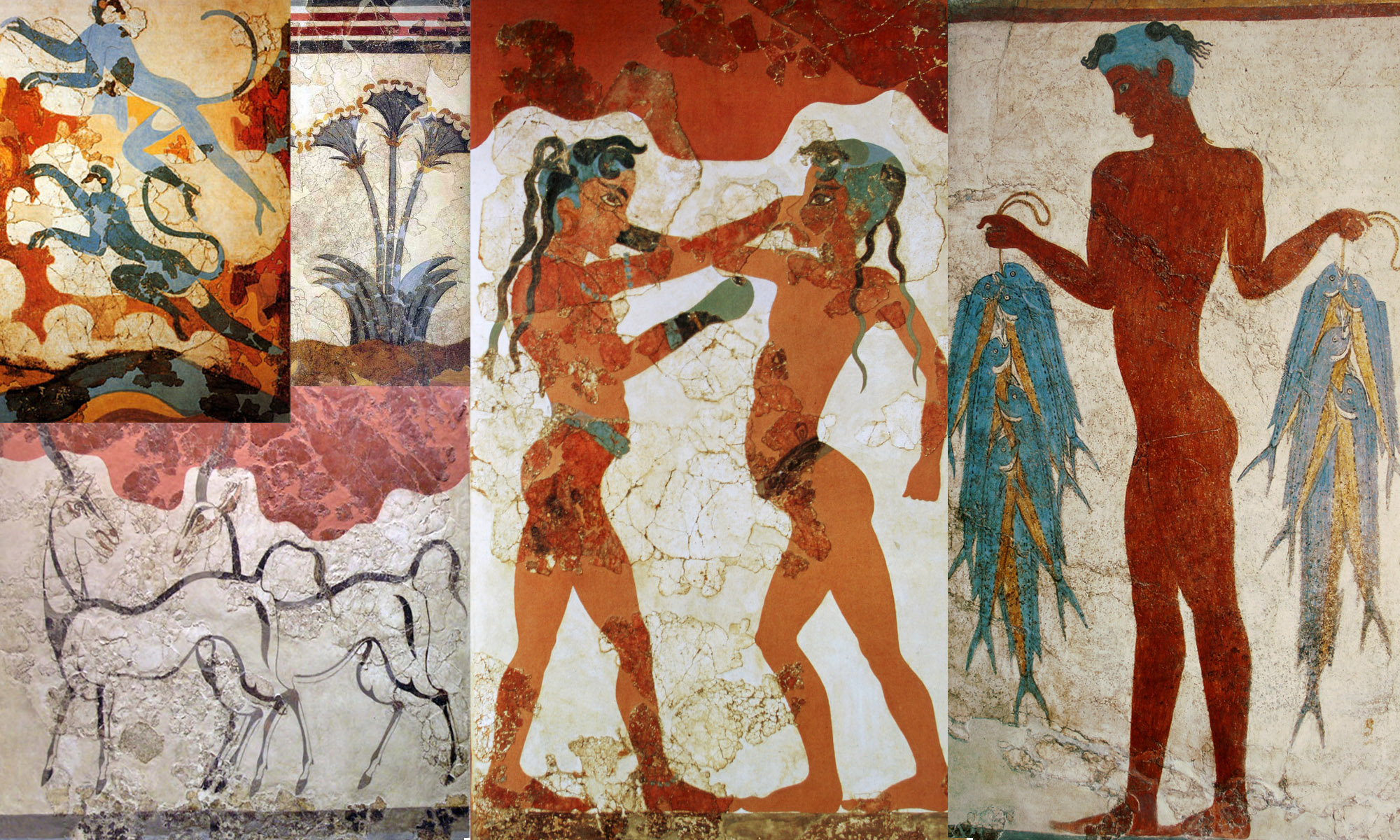
WARNING! THIS ARTICLE CONTAINS PHOTOS OF HUMAN REMAINS
Funeral rites are among the most enduring and, at the same time, most diverse elements of human culture. It is the precise way in which the dead are treated that allows archaeologists to reconstruct not only the funeral practices of ancient societies, but also their conceptions of death, transience, memory, and relations with ancestors. Sometimes, though, archaeological discoveries defy simple interpretations, forcing researchers to take a closer look at phenomena that previously seemed well understood. This is the case for an extraordinary burial discovered in Pommerœul, Belgium. The grave, found in a cremation cemetery dating to the Roman period, turned out to be a much more complex funerary structure, combining remains from various periods of the Neolithic. The results of interdisciplinary bioarchaeological, genetic, and radiocarbon analyses revealed a multi-phase history for the burial, shedding new light on funeral practices and the way in which ancient communities treated the remains of their ancestors.
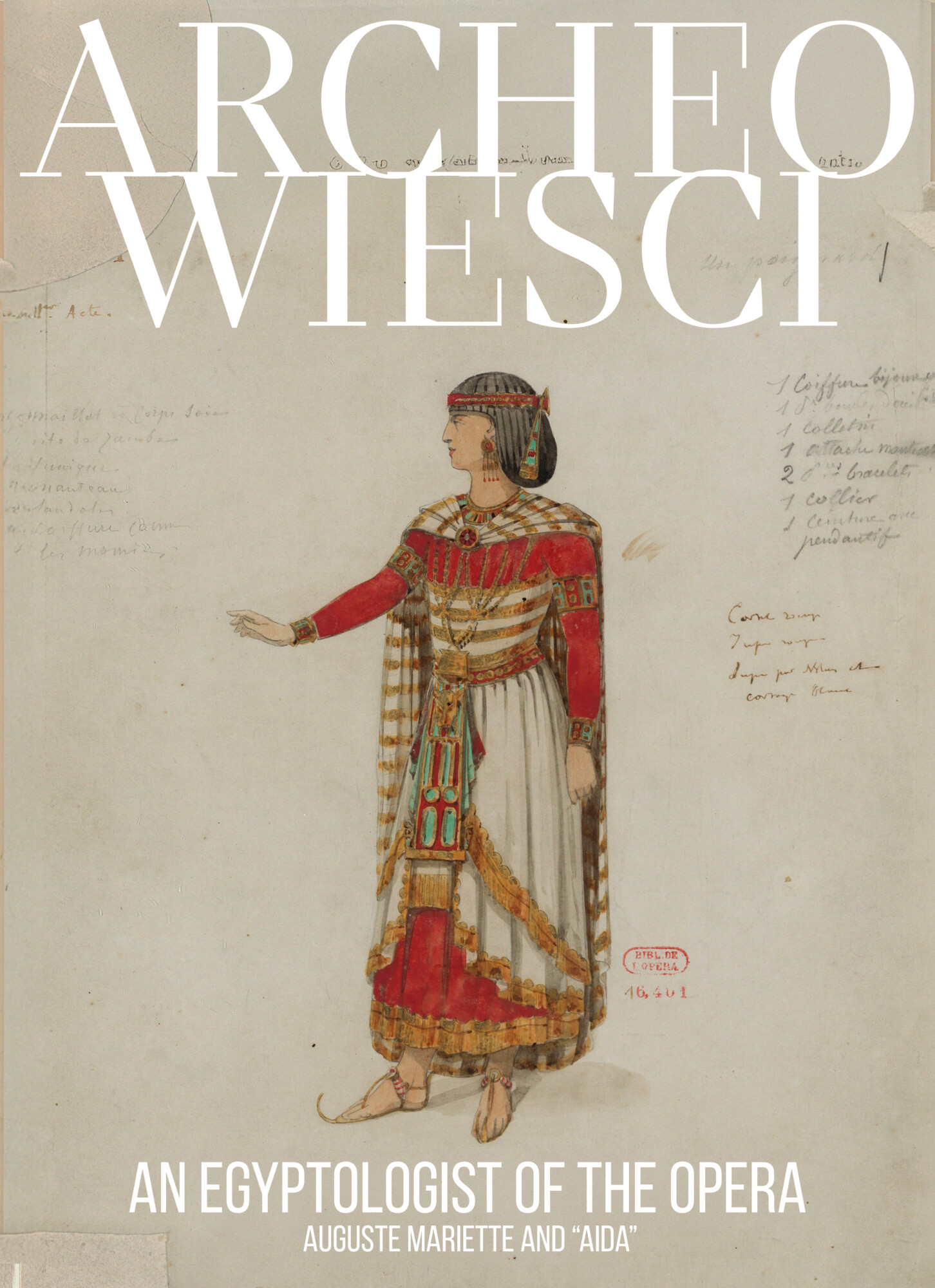 Aida, often referred to as an “Egyptian opera,” became a classic almost immediately after its premiere in 1871. Initially, it was intended to grace the celebrations marking the opening of the Suez Canal, but ultimately this plan did not come to fruition – more than two years passed between the inauguration of the Canal and the first performance of Aida. Set in ancient Egypt, it continues to attract thousands of viewers, fascinated by the tragic story of the main character and the stunning music by Giuseppe Verdi. Few people know that the “archaeological” character of this opera was the work of a man whose name is now known to every enthusiast of ancient Egypt – the French Egyptologist Auguste Mariette (1821–1881).