Violence against children is not exclusively a modern phenomenon. It also accompanied humans in the past, as evidenced by both written sources and archaeological discoveries. Although its existence is beyond doubt, it is much more difficult to determine the scale of violence against children in ancient societies. This arises not only from the fragmentary nature of the source material, but also from the difficulties associated with identifying cases of violence in archaeological material. Sometimes, however, skeletons retain traces of trauma which suggest that the child may have been a victim. This was likely the case with a child buried at Tell Brak in what is now Syria. Its remains became the subject of an analysis by researchers from the University of Warsaw and Durham University, recently published in the “International Journal of Osteoarchaeology”.
Echoes of Past Violence
Violence against children is a rarely addressed topic in Mesopotamian written sources. One of the few exceptions is a letter from the Royal Archives of Mari, dated to the first half of the 2nd millennium BCE. It mentions the discovery of a child’s mutilated body in a canal near the palace. Only the head and torso were preserved, and the degree of mutilation made it impossible to determine the sex of the victim. The text does not name the perpetrator or the motive, however, some researchers link the event to domestic violence, which could explain the lack of such basic information.
Although surviving written texts provide evidence of the existence of violence against children in the past, the sporadic nature of archaeological and textual evidence does not mean that the phenomenon was rare. It should also be remembered that, as with other issues, written texts did not describe the lives of all social groups.
It might seem that more objective data on violence are provided by archaeological research, and by bioarchaeology in particular. In archaeology, traces of violence are primarily sought through the analysis of human remains and the identification of bone trauma, which record past fractures and injuries. However, it must be kept in mind that not all violence experienced during life leaves marks on the bones. Yet, the interpretation of such traces is not straightforward. The most difficult challenge remains distinguishing an injury resulting from an accident from trauma caused by violence.
Looking at the Past Through the Prism of the Present
According to UNICEF data, more than half of the world’s children experience some form of violence each year. It is estimated that in developed countries alone, violence against children leads to approximately 3,500 deaths annually. Today, in about half of all confirmed cases of violence, no fractures are detected. From an archaeological perspective, this means that estimating the frequency of acts of violence solely based on bone trauma inevitably leads to an underestimation of the actual scale of this phenomenon. Despite this, numerous injuries sustained at different times remain among the most critical indicators for recognizing violence against a child, both in modern times (a frequent plot point in many medical TV series) and in archaeological research.
The chronological variation of injuries is of particular significance. In the event of an unfortunate accident, all injuries should occur simultaneously, conversely, the presence of fractures at different stages of healing can indicate that the child experienced ongoing violence. The location of the trauma is also essential. Certain types of fractures are characteristic of specific age groups or are associated with particular activities. For instance, children frequently experience collarbone and forearm fractures as a result of falls during play.
Some fractures occur so often under specific circumstances that they have acquired their own names. An example is the boxer’s fracture, which is a fracture of the fourth or fifth metacarpal bone resulting from punching a hard object. Another example is the Don Juan fracture, also known as the lover’s fracture, associated with jumping from a height—stereotypified as an attempt to escape through a window or from a balcony to flee a jealous husband. Knowledge about the mechanisms behind various injuries and their frequency of occurrence in individual age groups helps determine whether the injuries visible on the bones could have been the result of an unfortunate accident.
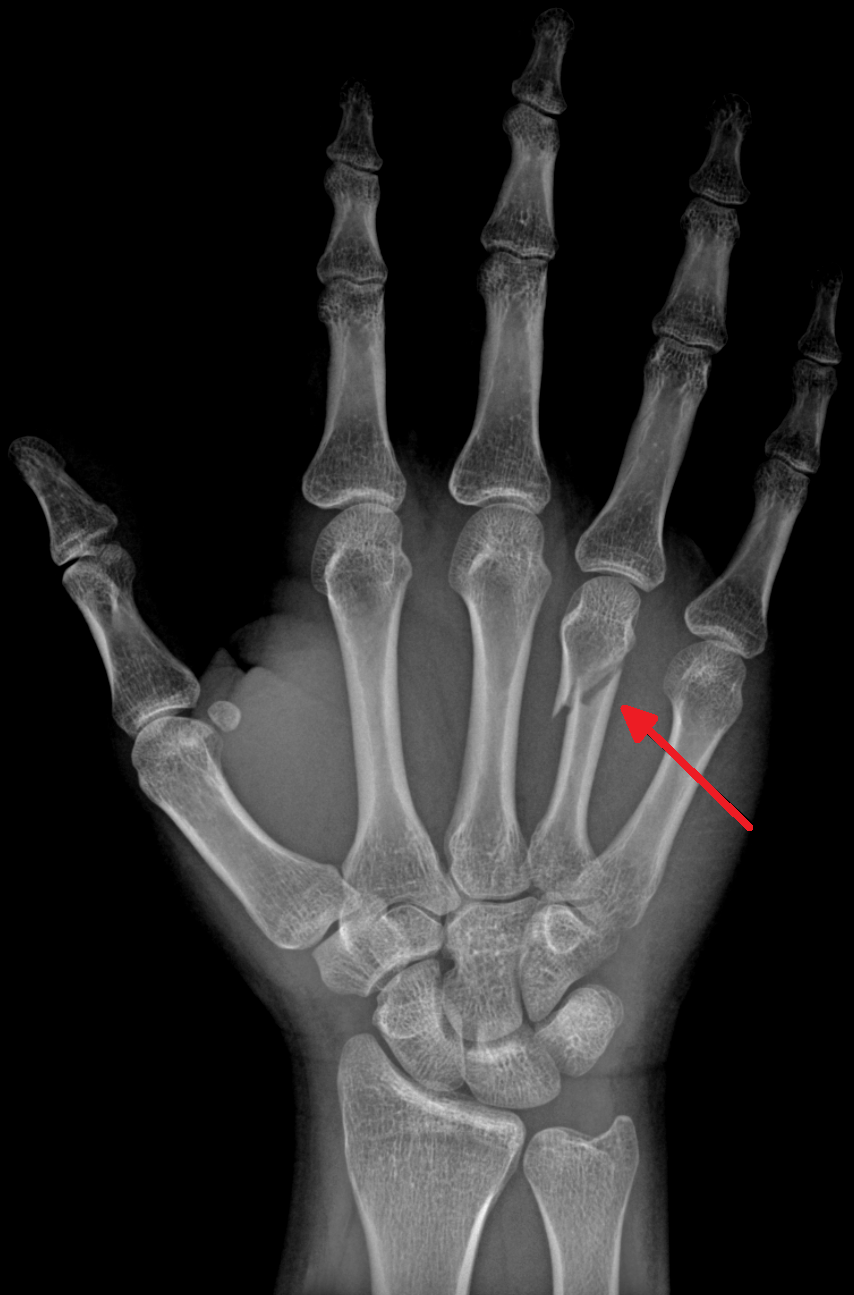
ⓒ L.P. Lessard, na licencji CC BY-SA 3.0
Childhood is a period of intense exploration of the world, testing one’s limits, and pushing boundaries. At this stage, even ordinary play can end in a fall and a fracture. How, then, can we distinguish an active child from a victim of violence?
Although children can move with surprising speed and climb where they should not, their falls relatively rarely lead to fractures. This originates not only from the low height from which children usually fall, but also from their low body mass. For this reason, it is believed that in the case of children under one year of age, most fractures (ranging from 50% to 69% according to various estimates) are not the result of accidental trauma.
The type and location of the injuries are also significant. Especially concerning are fractures resulting from the twisting of a limb (spiral fractures) visible on long bones, particularly in children who cannot yet move independently. Rib injuries also hold high diagnostic value. They are among the most frequently fractured bones in cases of child abuse and are often the only trace indicating its occurrence.
Characteristic injury patterns also include shaken baby syndrome, observed in young children, primarily infants. The exact arrangement of injuries depends on how the child is held while being shaken, however, it often includes rib fractures—especially in the anterior and posterior sections where the child is frequently squeezed—as well as skull and long bone trauma.
The Story of the Child from Tell Brak
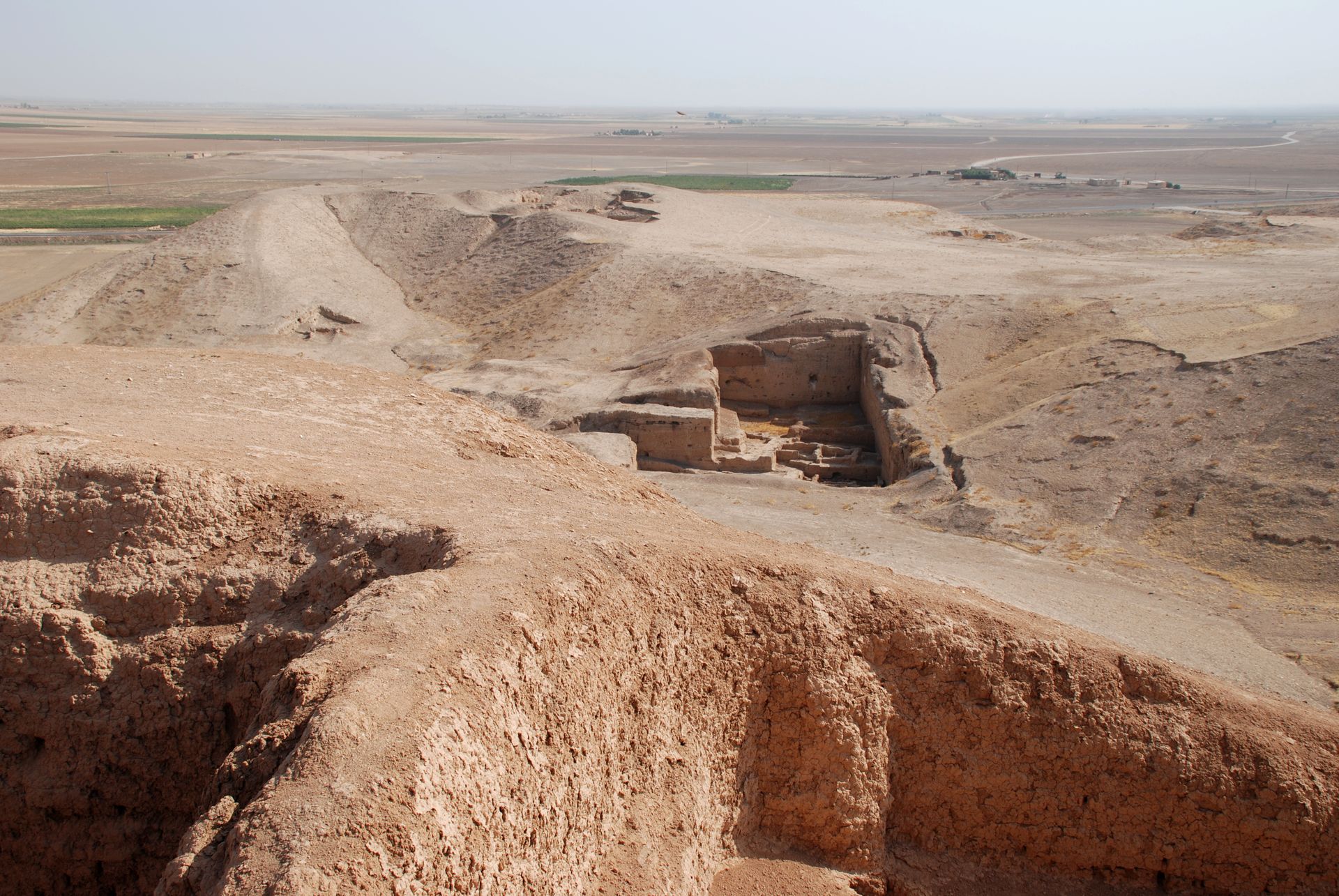
Tell Brak is the largest archaeological site in northeastern Syria, covering an area ranging from approximately 60 to as much as 130 hectares during various periods. Among the most famous discoveries from this site is the so-called Eye Temple, where numerous eye idols made of alabaster and terracotta, as well as votive figurines, were found.
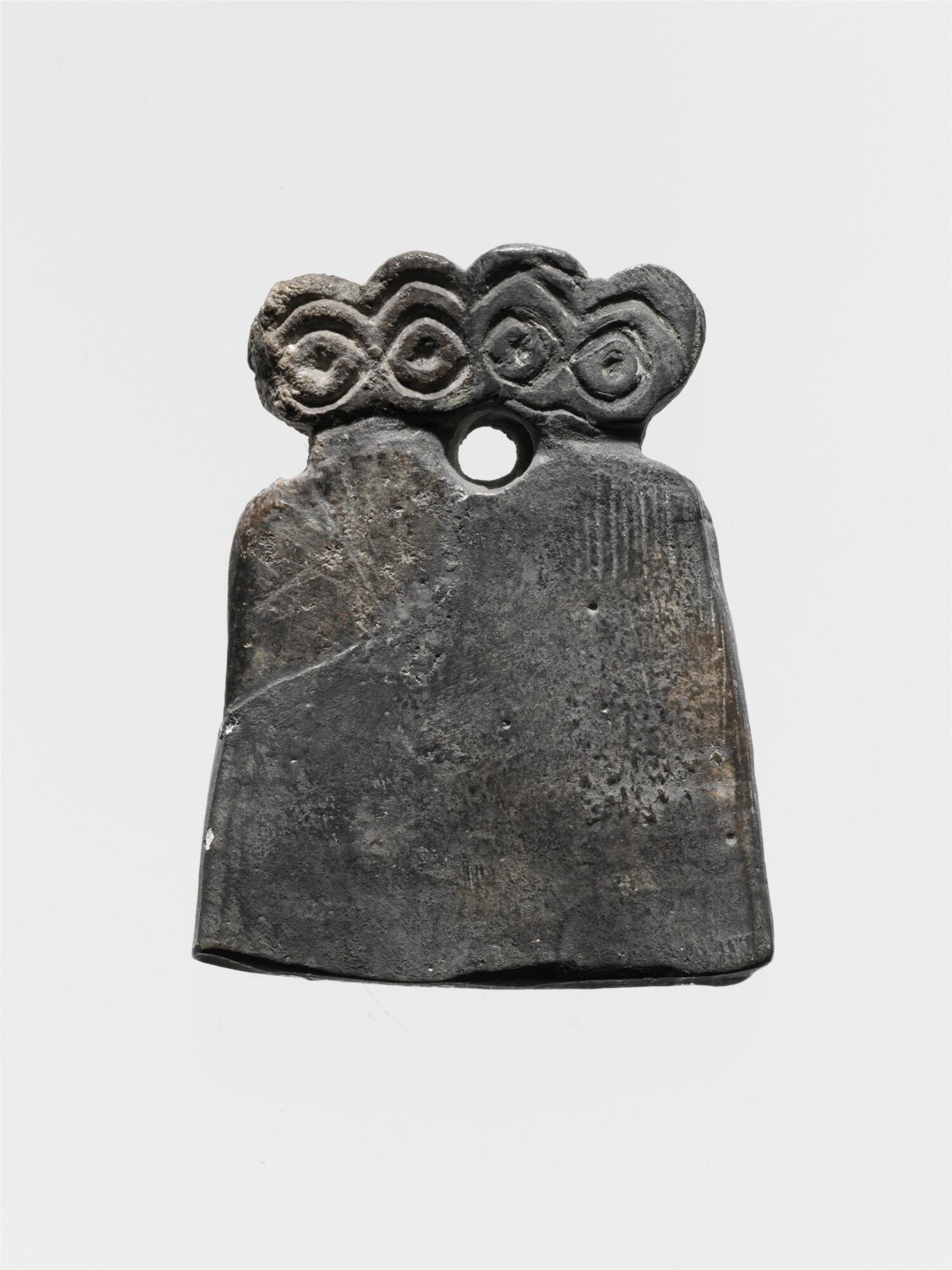
Public domain
At this very site, in a section designated as ‘TW’, archaeologists discovered 63 graves dated to the Late Chalcolithic period (c. 4200–3400 BCE) located between houses and workshops. These graves primarily belonged to children, including:
-
- 5 fetuses,
- 11 newborns,
- 17 children under one year of age,
- 16 aged between 1 and 3 years old,
- 10 whose age did not exceed 13 years old.
Only four graves in this cemetery belonged to adults.
© Bertramz, licensed under CC BY 3.0
The remains of a child buried in grave 2658 drew the particular attention of researchers. Several changes were observed on its bones, the co-occurrence of which could indicate the experience of violence. These included:
-
- rib fractures,
- changes at the attachment sites of the leg muscles,
- signs of systemic strain (so-called physiological stress) visible on the cranial bones.
The most concerning discovery was the fracture of four ribs near the sternum. These injuries were accompanied by signs of healing, indicating that they occurred during the child’s life. Newly formed bone tissue was also visible on the posterior surface of the right femur, which could indicate repeated strain at the muscle attachment site. Additionally, porosity was noted on both parietal bones of the skull, which is considered one of the indicators of physiological stress—a state in which the body struggles for a prolonged period with issues such as disease or malnutrition.”
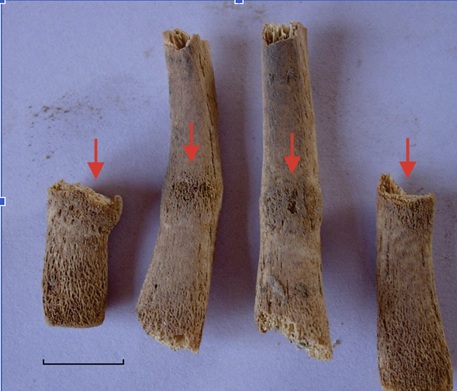
The child’s age was of crucial importance for interpreting these changes. Based on dental development, it was estimated that the infant was between six and nine months old at the time of death. Dental analysis is one of the most reliable methods for determining subadult age. It works particularly well for infants and young children because dental development progresses rapidly and relatively uniformly in terms of timing during the first years of life.
This can easily be observed today as well. Many parents eagerly await the appearance of their child’s first tooth and compare this moment with the experiences of other parents. It usually occurs at a similar age. Much greater variations appear later, when primary teeth are replaced by permanent ones. One only needs to look at photos of smiling, toothless children of early school age—some have already lost several teeth, while others still have all their baby teeth. This increasing variability with age makes age estimation based on teeth most accurate precisely in the youngest children.
Putting Theory into Practice
Rib fractures are among the injuries frequently observed in cases of child abuse. However, their mere presence is not enough to make such a diagnosis. Bones do not tell their story directly. They leave behind only traces that must be properly interpreted. Therefore, bioarchaeologists use a method known as differential diagnosis. This involves considering all possible causes of the observed changes and assessing which of them is the most probable. Factors taken into account include age and sex, the location of the injuries, and knowledge of the mechanisms that lead to their formation.
In the case of the child from grave 2658, its age was of crucial importance. Based on this, we can assume that the infant could not yet walk independently. It might have been starting to crawl, but its mobility was still limited. Thus, it is difficult to assume that the child was active enough to cause such severe injuries to itself.
© M. Häggström, licensed under CC BY 3.0
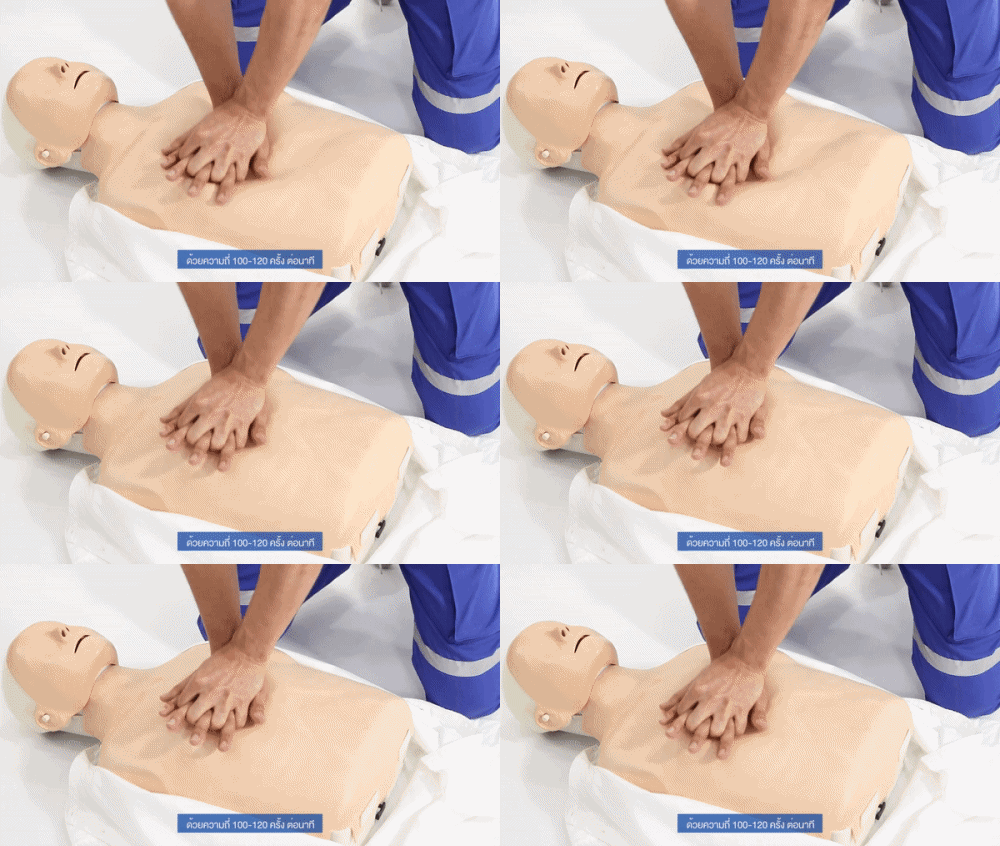
All four fractured ribs were located in the anterior part of the chest, near the sternum. Today, injuries in this location are most commonly observed as a complication of cardiopulmonary resuscitation (CPR). However, the use of this procedure did not begin until the 20th century, therefore, in the case of the child from the Late Chalcolithic, it can be completely ruled out as a cause of the fractures.
Another possible explanation was severe mechanical trauma, such as a direct blow or a violent squeezing of the chest. Given the child’s very young age, limited mobility, and the location of the fractures, researchers concluded that violence may be the more likely explanation.
But Could It Be a Disease Instead?
Due to the co-occurrence of changes on the ribs and the porosity of the cranial bones, deficiency diseases—most notably rickets and scurvy—were among the alternative diagnoses that had to be considered.
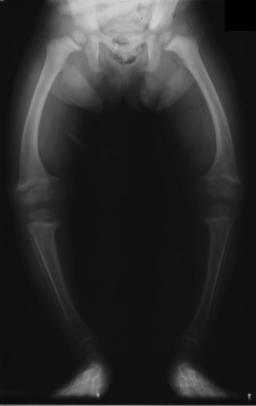
Rickets is a disease occurring in children, caused by a deficiency of vitamin D (and sometimes calcium). Vitamin D can be obtained through food, such as fish or milk, but the body can also synthesize it under the influence of sunlight. Its deficiency leads to the weakening of bones, which in the case of children who are already walking, can result in their characteristic bending.
© Mrich, licensed under CC BY-SA 1.0
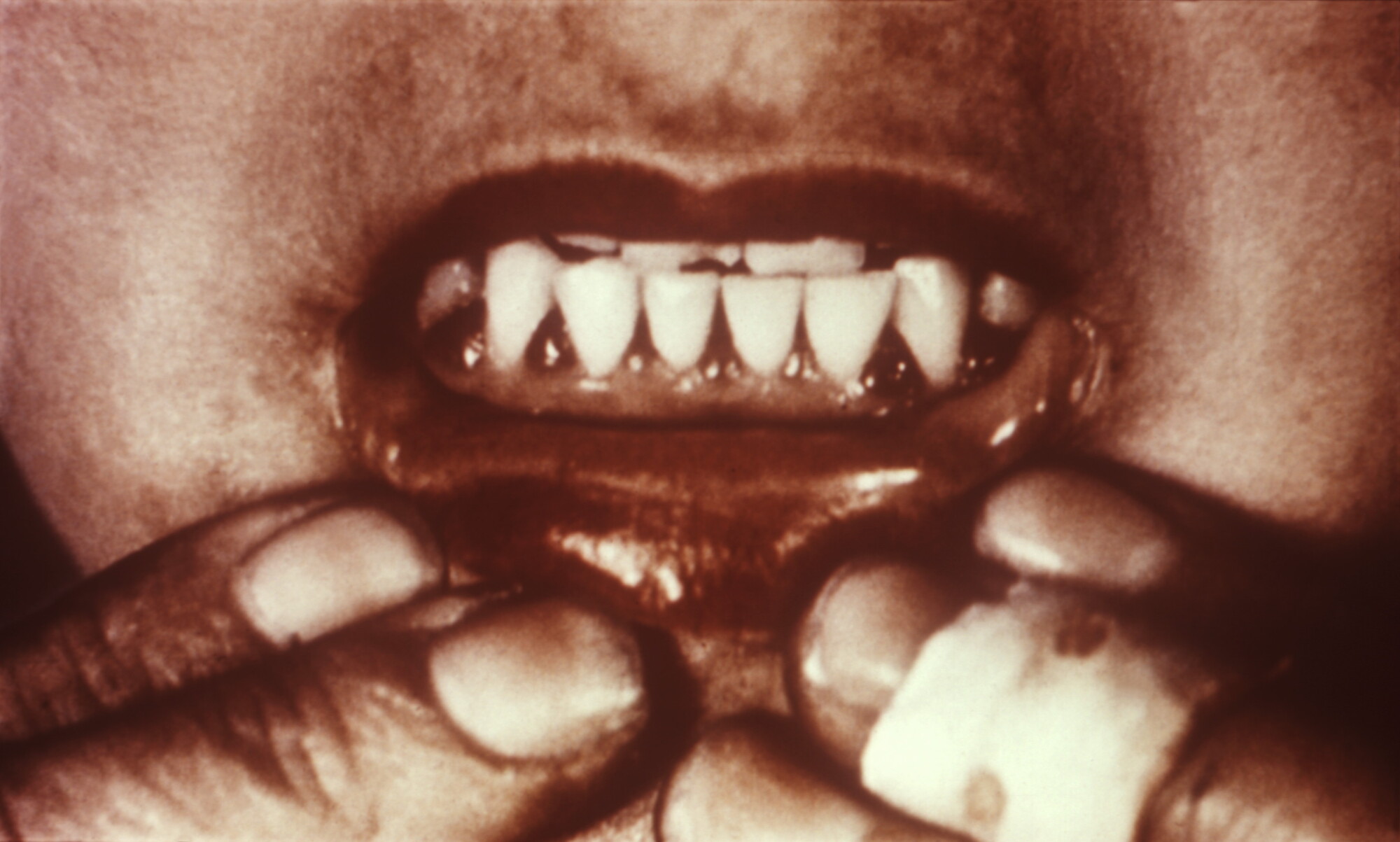
The second considered cause for the appearance of porosity is scurvy. This condition is commonly associated with sailors because it is caused by a deficiency of vitamin C, which is primarily found in fresh fruits and vegetables. Access to these products, especially during long voyages, was severely limited in the past. Consequently, scurvy frequently occurred among sailors.
Vitamin C plays a crucial role in the synthesis of collagen, a protein that makes up about 90% of the organic part of bone tissue and is responsible, among other things, for its strength. A vitamin C deficiency leads to impaired collagen formation and, as a result, to bone weakening.
Public domain
Both rickets and scurvy seem unlikely explanations for the changes observed in the child from Tell Brak. This stems from the combination of observed injuries as well as the environmental context of the site, which provided ample access to sunlight and fresh fruits and vegetables.
However, another explanation cannot be entirely ruled out, although it is the least probable among those mentioned. In rare cases, violent coughing can lead to rib fractures. Such instances have been documented in individuals suffering from tuberculosis, asthma, or whooping cough. Although this symptom can occur, it is a very rare complication, affecting less than 1% of patients. Furthermore, it primarily concerns older individuals and those with reduced bone strength.”
But Could There Be Natural Causes Instead?
It was not only the rib fractures that caught the researchers’ attention. The changes visible on the femur could also carry diagnostic significance. In this case, several possible interpretations were considered.
One of them was a low-force trauma that did not result in a fracture but caused damage to the periosteum. These types of changes can appear as a result of repeated microtraumas, including those potentially associated with violently shaking a child.
At the same time, it cannot be ruled out that the observed reaction was physiological in nature and did not occur due to trauma. In such cases, bone changes usually appear symmetrically—on both the left and right bones. Unfortunately, in this case, the left femur has not survived to our times, making it impossible to evaluate whether the change occurred on one or both sides.
A Few Words on Scale
Violence, including that directed against children, has always existed. However, confirming its occurrence based on human remains is difficult, especially in archaeological research. This is due to several reasons. First and foremost, children’s bones generally preserve worse than those of adults, which not only affects the number of cases available for analysis but also makes it more difficult to identify injuries if they are present.
Furthermore, identifying violence based on skeletal material usually requires finding numerous injuries at different stages of healing or trauma occurring in highly characteristic areas of the skeleton. This means that a child had to experience violence over a prolonged period for its traces to be unequivocally identified by researchers.
In the case of very young children, such as the infant from Tell Brak, even a single act of violence could easily lead to death before traces of multiple injuries or fractures at different stages of healing could appear on the bones. In such situations, only an unusual location of bone changes can help determine whether they were caused by an unfortunate accident or the deliberate action of another human being. Therefore, it is difficult to unequivocally assess whether the small number of child abuse cases identified from remains discovered during archaeological excavations truly reflects a low scale of this phenomenon in the past. It is equally probable that it stems from the specific conditions that must be met for a bioarchaeologist to make such a diagnosis. Taking all these factors and variables into account, it might seem that definitively identifying violence in archaeological material is like hitting the lottery jackpot…
However, it is worth noting that some researchers suggest that the social structure of ancient societies may have limited violence against children to some extent. Co-residence within larger, related groups reduced the level of privacy within the household, fostered mutual oversight, and ensured greater involvement of other community members in childcare, thereby relieving parents. These factors may have mitigated the risk of violence. This does not mean, however, that the phenomenon did not exist.
What Happened at Tell Brak?
The Chalcolithic period was a time of rapid growth for the first cities. The accompanying social transformations could have led to increased tensions within communities, changes in interpersonal relationships, and the emergence of new forms of social control. Urbanization also brought other challenges—higher population density favored the spread of diseases and worsened the living conditions for some residents.
The child buried in grave TW 2658 was between six and nine months old at the time of death. It could probably already crawl, but most likely did not walk independently yet. Today, we cannot examine how it felt, reconstruct its daily experiences, or interview its family. Nor are we able to see injuries that left no marks on the bones. We are left only with the evidence written into the skeleton.
Based on the available data—the child’s age, its limited mobility, and the nature and distribution of the injuries—the most likely interpretation seems to be that it experienced violence during its life, which resulted in the trauma visible to this day. We do not know what the direct cause of death was. It is known, however, that some time passed between the episode that caused the rib fractures and the child’s passing, as evidenced by the signs of healing preserved on the bones.
Violence against children is not a modern phenomenon. Although we do not know its scale in ancient societies, bioarchaeological research shows that it was part of the human experience even in the distant past. Written sources rarely mention such events. Yet, while bones do not tell the whole story, they preserve fragments of it. The traces of trauma found on the child from Tell Brak are one such testament—silent proof that not all experiences of violence disappear without a trace with the passage of time.
This article can be re-printed with photographs free of charge provided that the source is cited
Based on
Grzegorska, A., Jakob, T., & Sołtysiak, A. (2026). A Possible Case of Child Abuse at the Early Urban Centre of Tell Brak, NE Syria. International Journal of Osteoarchaeology.
Autor
Aleksandra Grzegorska A bioarchaeologist at the Faculty of Archaeology, University of Warsaw, specializing in osteological analysis (the study of human remains) and paleoparasitological research (the analysis of ancient parasites). Their research interests focus on issues related to health and hygiene in the past.
https://orcid.org/0000-0003-0359-5292,
https://www.researchgate.net/profile/Aleksandra-Grzegorska?ev=hdr_xprf
Editor: A.B.
The research on the human remains from Tell Brak was funded by the National Science Centre, Poland, grant no. 2013/10/M/HS3/00554