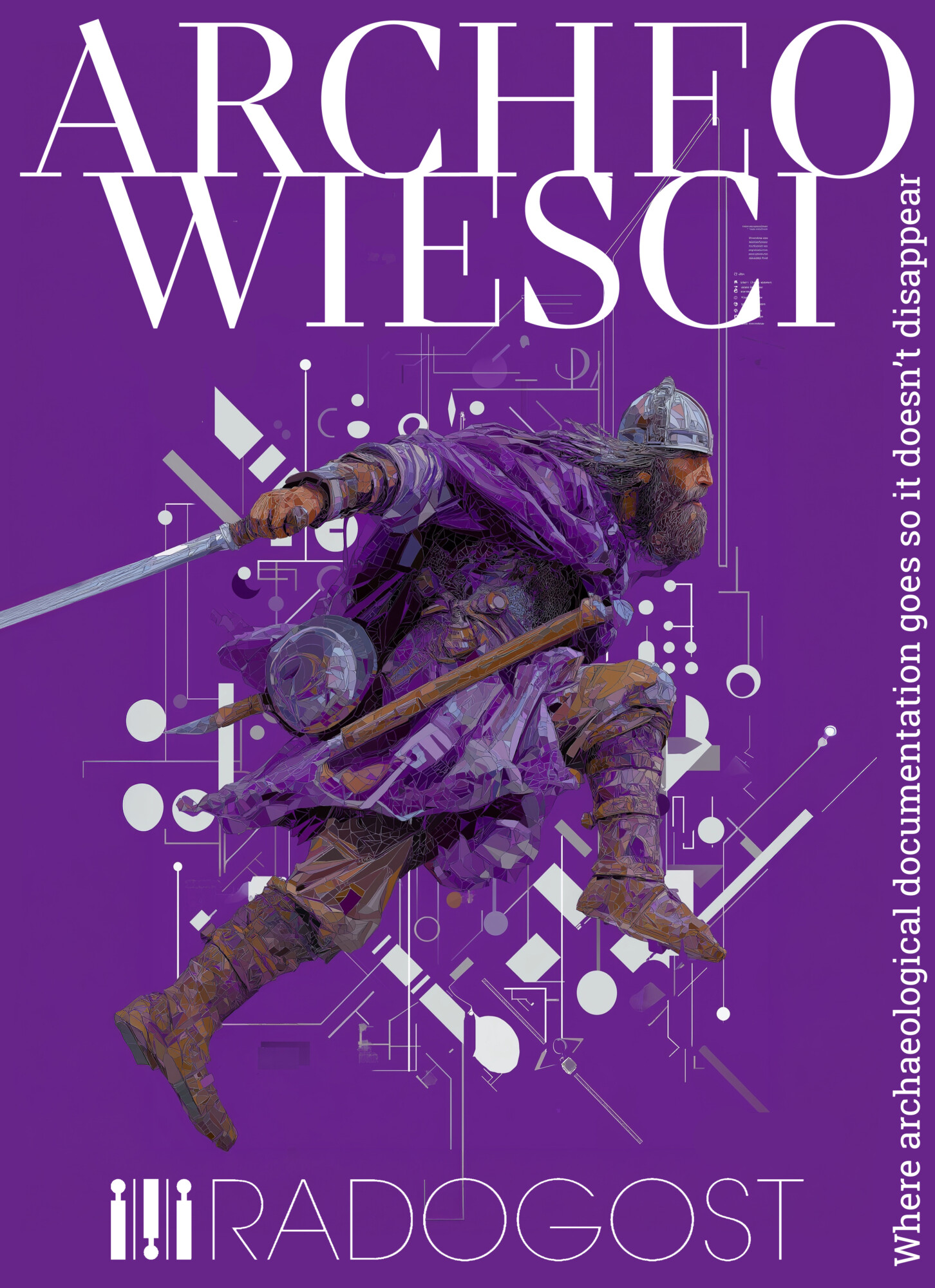
RADOGOST: Where archaeological documentation goes so it doesn’t disappear

What happens to documentation after the field season ends? RADOGOST helps store and share archaeological data so it can be found, understood, and reused.

Imagine a classic scenario: fieldwork, hundreds of photos, RTK GPS files, sketches, context descriptions, 3D models, artefact tables, analytical notes. Then “after the season”, when archaeologists return home and sit down at desks and in libraries, everything lands on a hard drive. The data gets sorted and usually ends up in folders named “NEW”, “FINAL”, “FINAL_2”… and starts living a life of its own. After a year, no one remembers which file is current. After five years, no one knows whose coordinates those were, what the methodology was, or whether it’s even allowed to show it to anyone.

Now consider another perspective: science based on verification, re-analysis, and data reuse. This is exactly where RADOGOST comes in.

Continue reading “RADOGOST: Where archaeological documentation goes so it doesn’t disappear”

Reed in Prehistoric European archery? Remarkable findings by Polish scientists

Research on the potential use of common reed in the production of arrows in European prehistory has attracted considerable interest following the discovery of a particular  type of object dating back to the late Neolithic period (approximately 4500 years ago), found in the northeastern regions of Poland. Such objects, commonly interpreted as reed arrowshaft straighteners, have encouraged researchers to conduct in-depth analysis investigating the potential use of this raw material in prehistoric archery. To verify the properties of reed stems for arrow production and to understand the motives behind the manufacture and use of the reed arrows, a series of mechanical and experimental analyses were conducted. The results of the research undertaken by scholars from the University of Warsaw, Warsaw University of Life Sciences, and the Polish Academy of Sciences Museum of the Earth have recently been published in the „Archaeometry” journal.

Continue reading “Reed in Prehistoric European archery? Remarkable findings by Polish scientists”

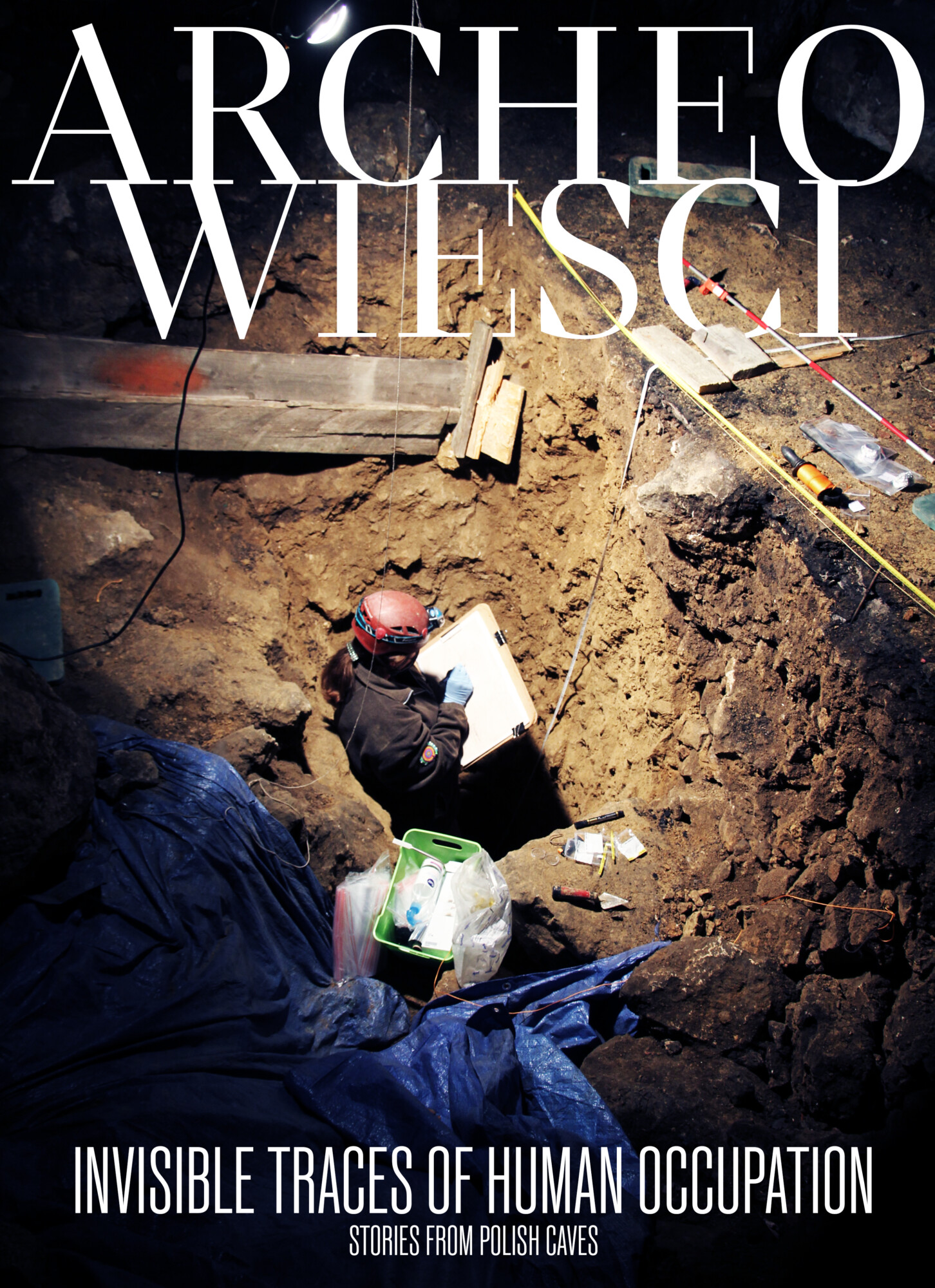
Invisible traces of human presence. Stories from Polish caves

Caves have been an object of human fascination since the dawn of time. These mysterious, closed spaces served various functions in the past – from temporary shelters or flint workshops to places of burial or worship. Human history is recorded here in long stratigraphic sequences, with each layer being a part of a long-forgotten story. We try to read these stories and reconstruct the lives of ancient people. Usually, we use for this purpose artefacts: objects left or lost by the former inhabitants of the caves or by people visiting them. Sometimes our reconstruction is not clear – there are too few objects or they are too well hidden. However, every human activity leaves behind something more than artefacts. It leaves behind chemical traces. We just need to learn to read them properly.

Continue reading “Invisible traces of human presence. Stories from Polish caves”

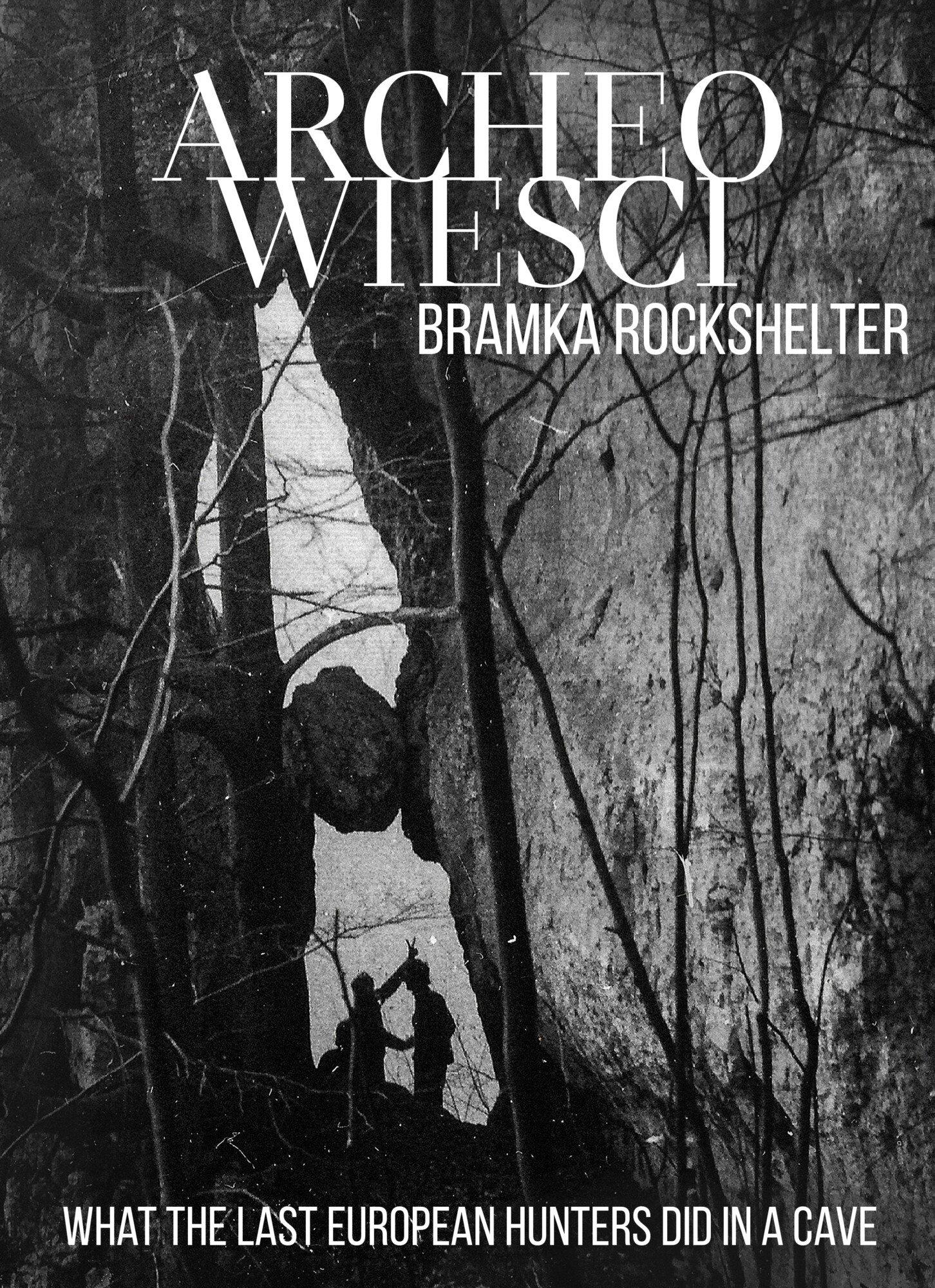
Bramka Rockshelter – what the last European hunters did in a cave

I turn a tiny flint fragment in my hands. I can see that one of its sides was very accurately shaped with small percussions in order to make a triangular tool. It is slightly more than a centimetre long. I need to use a magnifying glass to see its details. Who made it? When? Was it made by the last European hunters? Why did they leave it in a cave?

Continue reading “Bramka Rockshelter – what the last European hunters did in a cave”

Polish computer application in archaeology

From April 2nd to April 6th, 2023, the 50th International Conference on Computer Applications and Quantitative Methods in Archaeology was held in Amsterdam. Polish archaeology was represented by a strong interdisciplinary group, which prepared two sessions and presented 10 presentations and 2 posters.

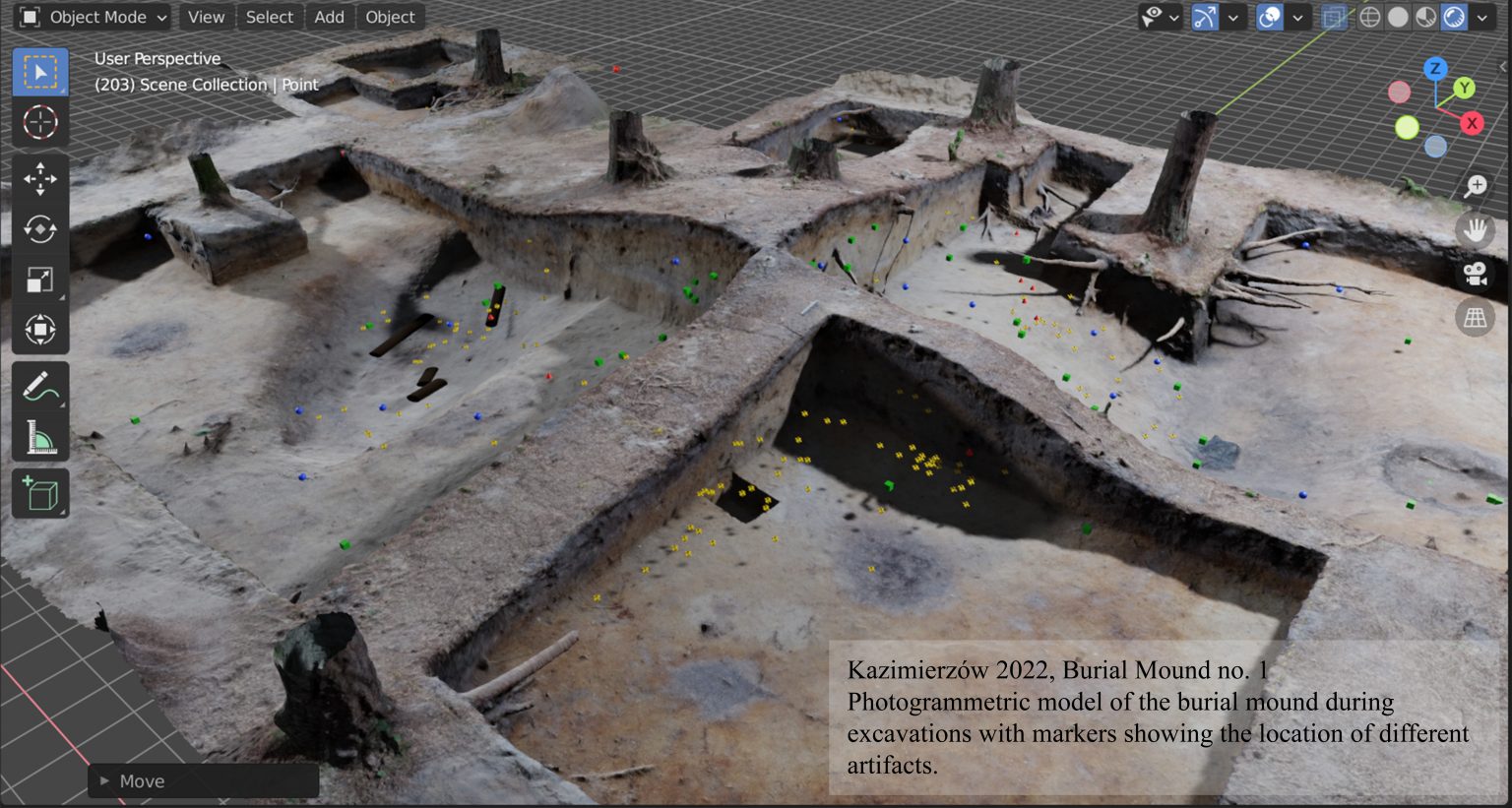
Photogrammetric model of a barrow during excavation with markings showing the location of various monuments
by J. Stępnik

Continue reading “Polish computer application in archaeology”

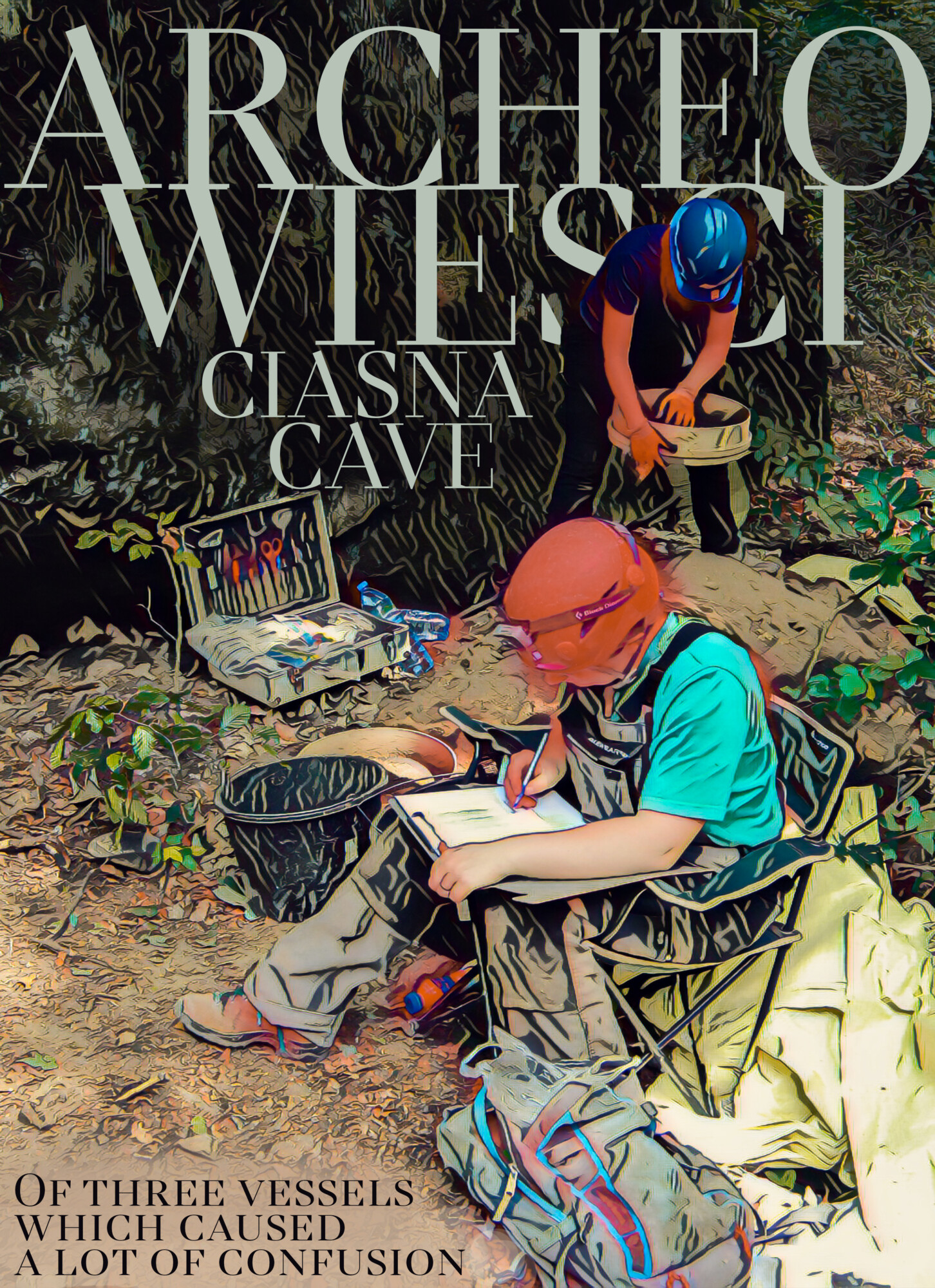
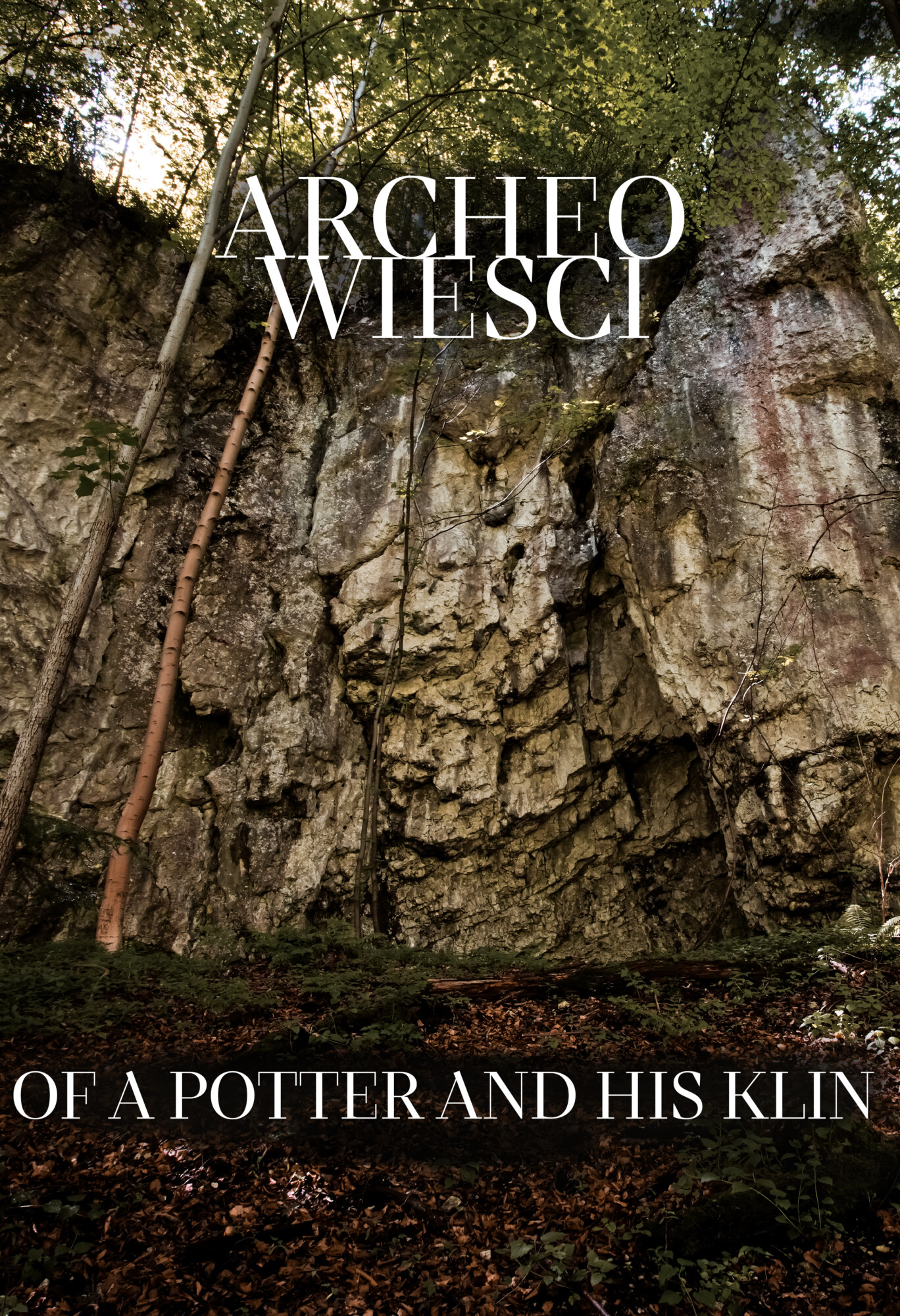
Of a potter and his kiln

You thought only cavemen lived in caves? What about a 19th-century potter?

Today, the people who take a walk in the Sąspowska Valley in the heart of Ojców National Park find it difficult to believe that just 100-200 years ago there were more than ten farms scattered on both sides of the Sąspówka stream that wound on the bottom of the valley. One of the households was situated near the outlet of Jamki Gully, directly below vertical rocks that are more than 20 m high. This household is marked on a map of Western Galicia, drawn in 1801-1804 by the Austrian colonel Anton Mayer von Heldensfeld after the annexation of this territory by Austria-Hungary. There were three or four small structures on the right bank of the stream.

The rock is slightly concave in this place and it forms a relatively spacious shelter. On one side there is a slit in the rock that resembles a vertical chimney, which is not insignificant for our story.

Continue reading “Of a potter and his kiln”

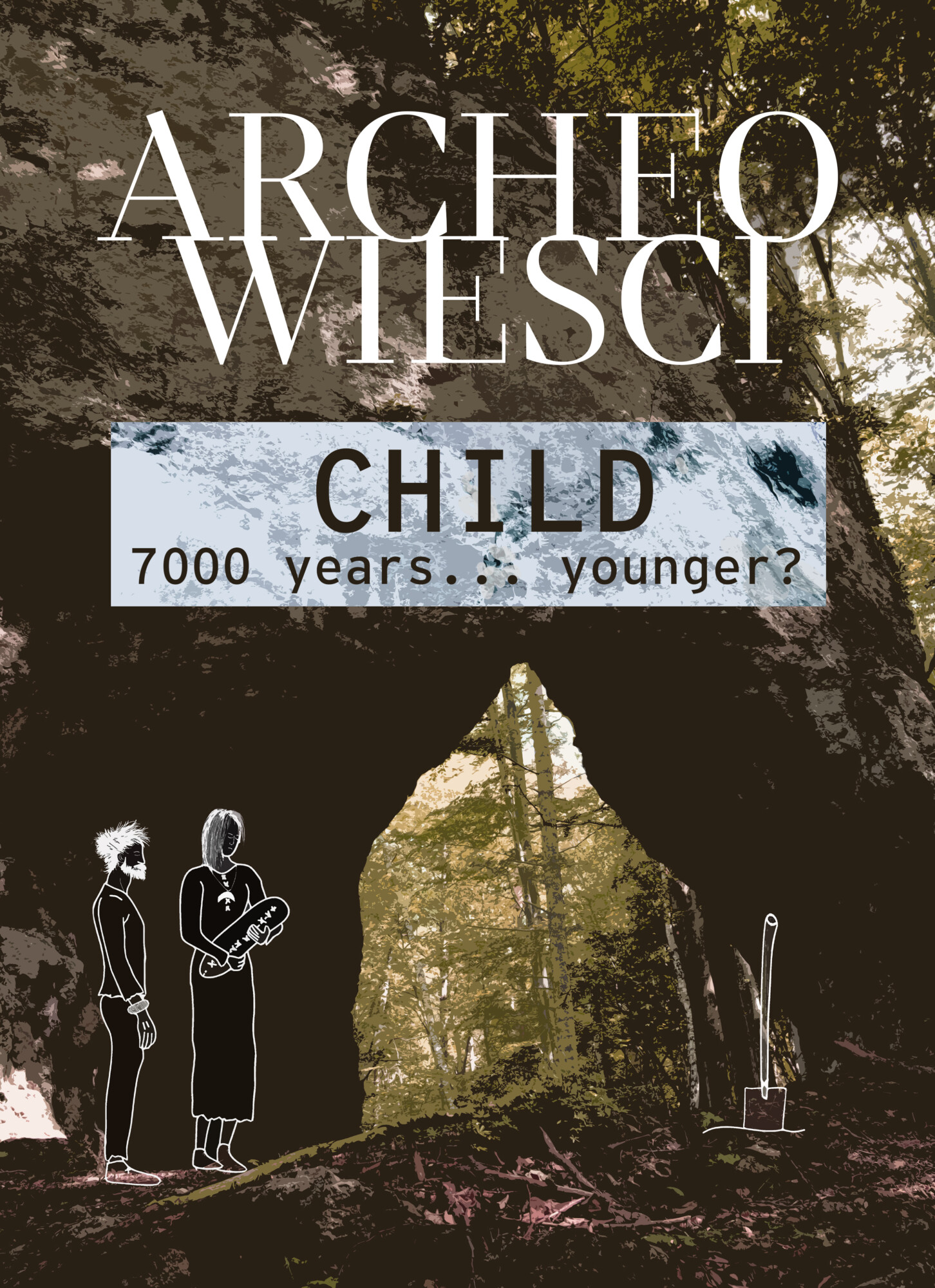
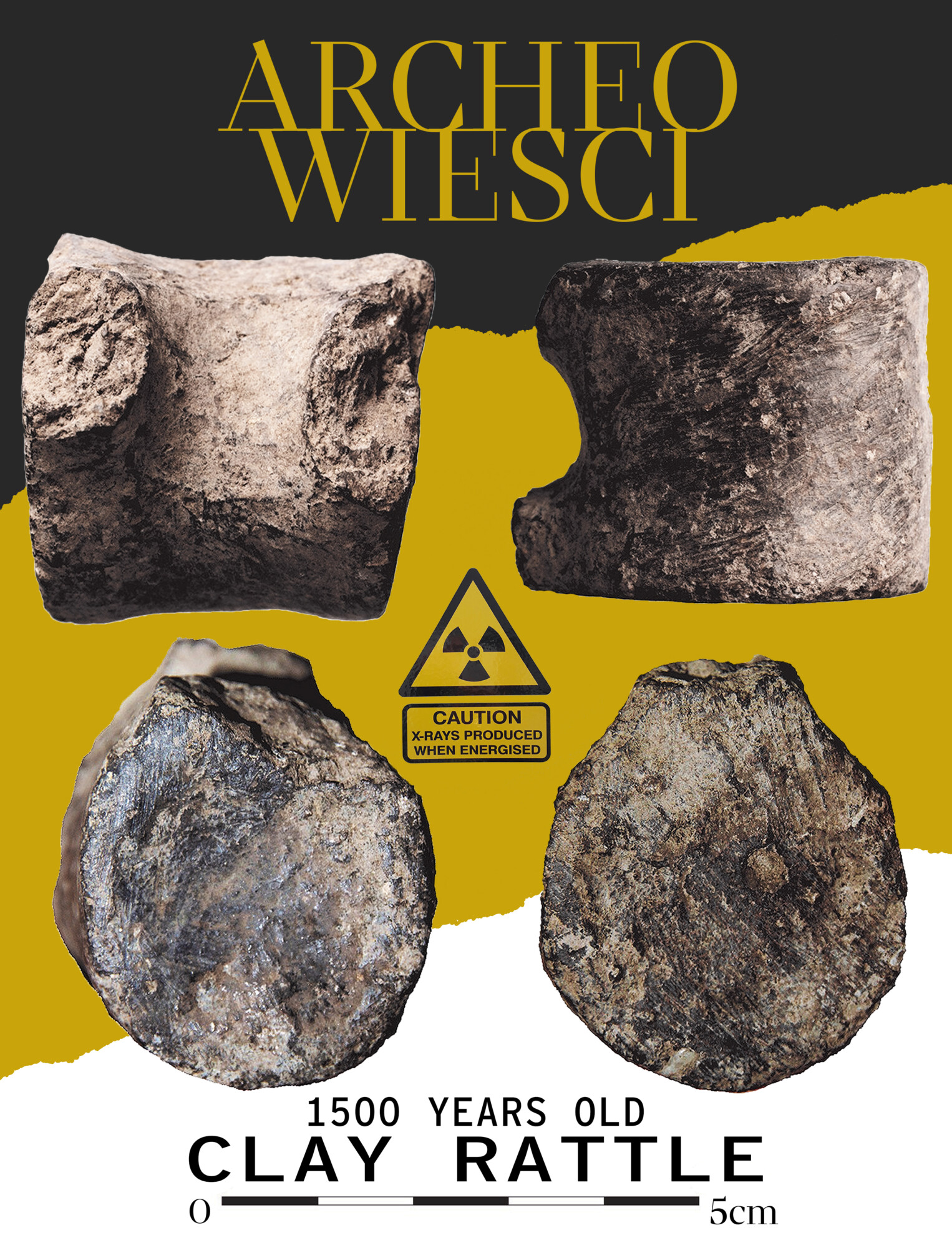
Of a clay rattle that is just 1500 years old

Have you ever held a 1500-year-old clay rattle in your hand? It makes a soft sound when you shake it. There is something inside and it still rattles, just like it did then – 1500 years ago. Was it lost by a careless child playing near the cave? Did it play a role in some forgotten rituals? Or perhaps it was deposited as an offering in a grave? This story will be about a clay rattle.

Continue reading “Of a clay rattle that is just 1500 years old”

Following tourists’ traces in caves

When we were looking for forgotten sites in the Sąspowska Valley, we came across an unexpected discovery which, properly understood, became evidence for the popularity of Ojców as a resort in the 20th century. Here is the story of how an accidental discovery of written messages and graffiti in the walls of Złodziejska Cave made us follow tourists’ traces in caves.

Continue reading “Following tourists’ traces in caves”