Early medieval cemeteries with graves enclosed in stone structures are among the most distinctive features of the archaeological landscape of Mazovia and Podlachia. These cemeteries are distinguished from other necropolises of this period by the presence of large stone structures surrounding the burials, the regular arrangement of graves, and a specific funeral rite, the origins and significance of which have been the subject of research for many years. Interdisciplinary research, including anthropological, archaeogenetic, and isotopic analyses, has opened up new interpretive possibilities through recent studies of two cemeteries. Their findings allow us to examine not only the form of the burials themselves but also the origin, mobility, diet, and social structure of the individuals buried there.
Stone-Setting Graves
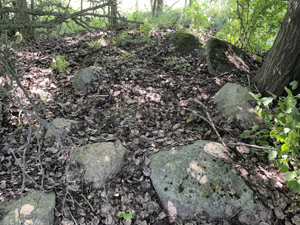
One of the most distinctive and, at the same time, most enigmatic archaeological features of Mazovia and Podlachia are the early medieval cemeteries with graves enclosed in stone structures. Necropolises of this type existed from the 10th to the 13th century CE, although in some areas of Podlachia this tradition persisted as late as the 16th century. These cemeteries stand out from other contemporary necropolises due to their clear division into clusters of burials, and the presence of rectangular or oval enclosures built from large erratic boulders. The graves were usually arranged in regular rows, often at short distances from one another, and sometimes even with enclosures adjacent to one another.
© Populus Masoviae Medi Aevi Project
What adds an extra layer of intrigue to this phenomenon is the fact that it is difficult to find clear parallels for these specific grave and cemetery types. Nor can they be regarded as a simple result of Christianization, since this practice is not widespread in other neighboring areas that underwent the same process. It therefore appears that the cemeteries of Mazovia and Podlachia represent a unique phenomenon of local funerary culture. Researchers have proposed two alternative hypotheses. According to the autochthonous theory, this type of burial is the result of a unique syncretism stemming from the skeletal burial rite and its local adaptation by the Slavic population to the new religion. The allochthonous theory, on the other hand, posits that the people buried in these cemeteries were of foreign origin, namely Rus’ or Scandinavian. This latter theory suggests that they may have been Varangian warriors and their families.
Who, then, were the deceased buried in these graves, which are unique in Central Europe? Members of the local elite? Newcomers who conquered the locals or rose to the top of the social hierarchy? Or perhaps someone entirely different? Researchers from the Polish Academy of Sciences, the University of Warsaw, and the State Archaeological Museum sought answers to these and several other questions.
Medieval Mazovia
Mazovia was incorporated into the Piast state during the reign of Mieszko I, most likely in the second half of the 10th century. It was a borderland region, bordering the lands of the Prussians to the north and Rus’ to the east. Due to its location and its relatively late and gradual integration into the center of the Piast state, Mazovia retained a distinct political and cultural identity for a long time. Already during the pagan reaction following the death of Mieszko II, the people of Mazovia actively sought to gain independence from the crownlands. However, the swift actions of Casimir I the Restorer restored full control over the lands of Mazovia. This state of affairs did not last long, however.
Public domain
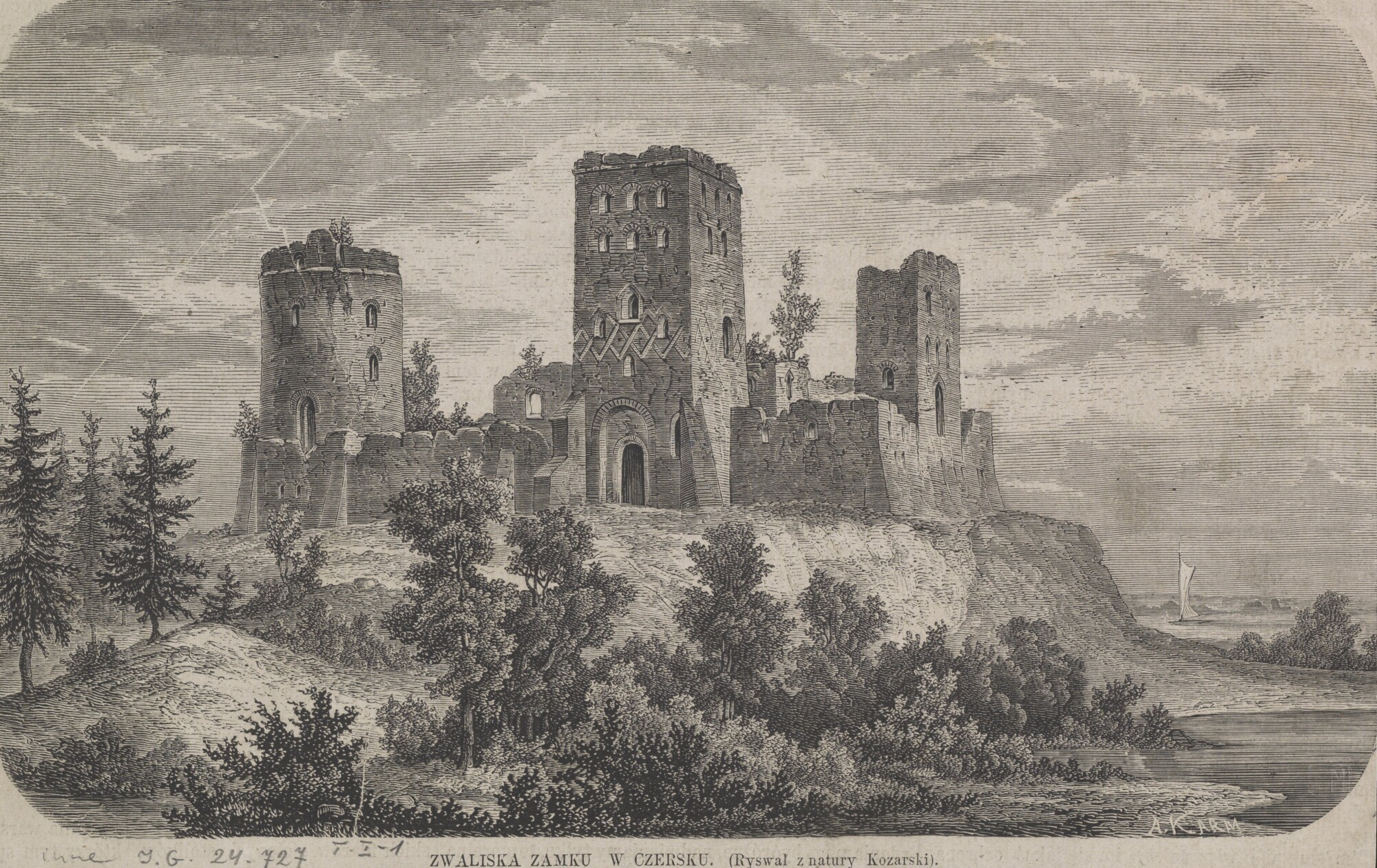
Nevertheless, Mazovia did not achieve permanent political autonomy until after the death of Bolesław III Wrymouth. Under the terms of his will of 1138, Mazovia, together with Kuyavia, formed one of the feudal fragmentated provinces of the Piast domain. In the following centuries, the province underwent further divisions among members of the Piast dynasty, leading to the emergence of several separate duchies of Mazovia. Płock remained the most important center of northern Mazovia, while in the south, Czersk initially served as the main center; from the late 13th century and especially in the 14th century, Warsaw gained increasing importance. Rawa Mazowiecka, the capital of the separate Duchy of Rawa, was also a significant center in the western part of Mazovia. This state of independence persisted until 1526, when, following the sudden death of Prince Janusz III, the Mazovian line of the Piast dynasty became extinct. On September 10, 1526, the Mazovian Sejm swore an oath of allegiance to the King of Poland, officially confirming Mazovia’s incorporation into the Crown.
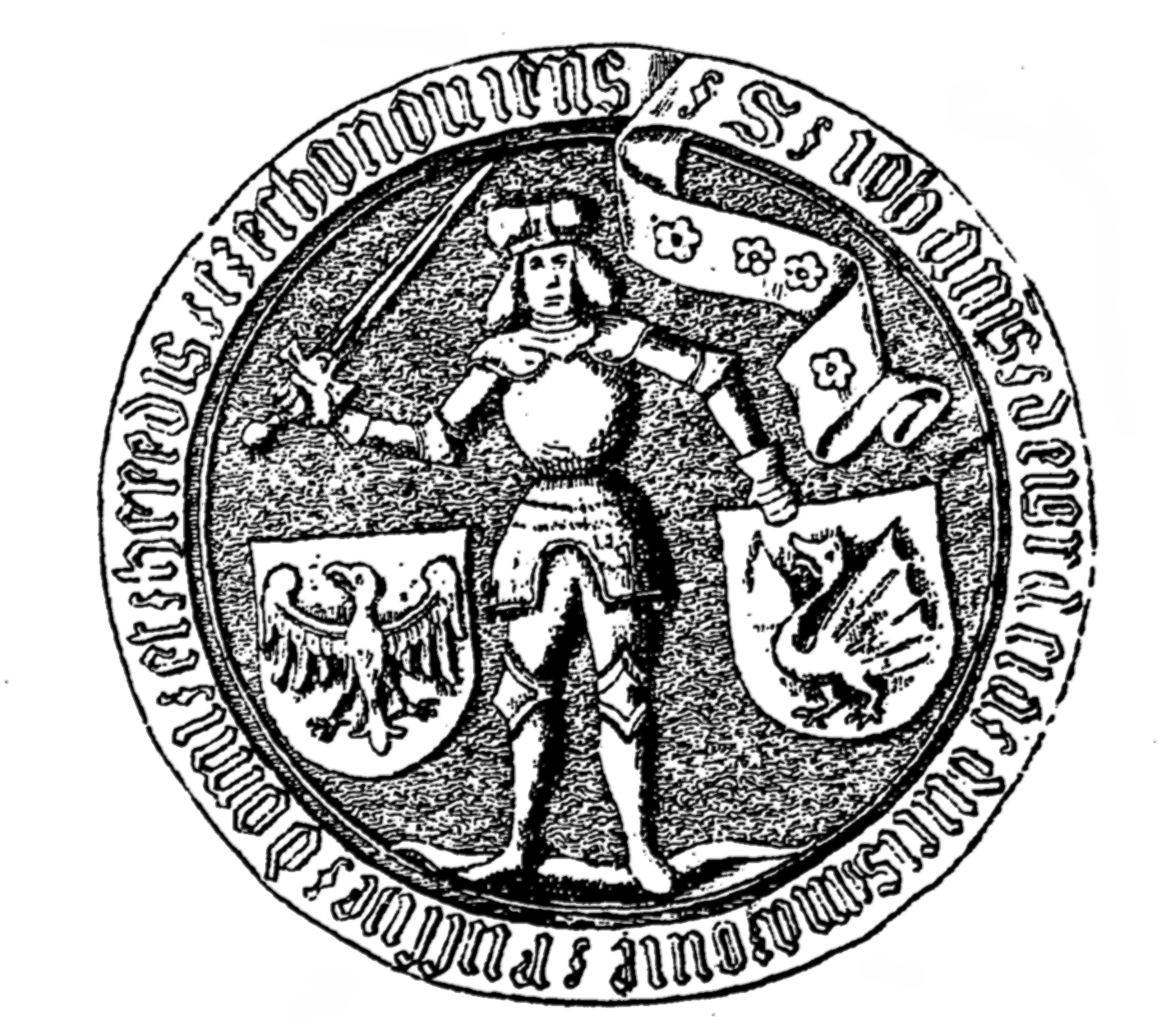
Public domain
From 1138 to 1526, Mazovia constituted an autonomous region of the Polish state. Its distinctiveness was evident in legal, socio-economic, ethnocultural, and likely even military terms. In this context, it is surprising that the 9th-century census by the Bavarian Geographer contains no data regarding the inhabitants of this region.
The Key to Solving the Mystery?
The interdisciplinary research focused on two cemeteries. The first is Stare Łączyno, located in the northern part of Mazovia, and the second is Narojki, situated in the Siematycze region of Podlachia. However, these cemeteries are not identical. They differ both in the form and dimensions of their stone grave enclosures. At the Stare Łączyno cemetery, a different orientation of men’s and women’s graves relative to the cardinal directions was observed, whereas at Narojki, the deceased were generally buried facing the same direction, regardless of sex. Despite these differences, both sites show a similar trajectory of change in funeral rites. The latest phase of their use is represented by flat earth graves without stone enclosures. The emergence of this type of burial is considered an expression of profound changes associated with the spread of the Christian model of burial. In Mazovia, this process is dated to the late 12th and early 13th centuries, whereas in Podlachia, where the tradition of graves with stone enclosures persisted for an exceptionally long time, it may have continued as late as the 16th century.
An analysis of age at death and biological sex indicates better survival among the people of Stare Łączyno: 83.9% reached adulthood, compared with just 58.8% in Narojki. This difference may point to more favorable health and living conditions in Stare Łączyno. The relatively high mortality rates among women and children, particularly in Narojki, were largely due to difficult childbirth and inadequate hygiene practices.
Height could be reconstructed only for a portion of the individuals. The height of women ranged from 150 to 165 cm, while that of men ranged from 159 to 176 cm. These results were similar, suggesting that both study populations experienced similar, favorable growth conditions during puberty.
What Genetics Tells Us
Some of the remains from both cemeteries underwent aDNA analysis. For the Y chromosome, haplogroups were successfully determined for 21 men (6 from Stare Łączyno and 15 from Narojki), representing at least 16 distinct paternal lineages. At least four ancestral lineages were identified at Stare Łączyno and thirteen at Narojki, with one of them occurring at both burial sites.
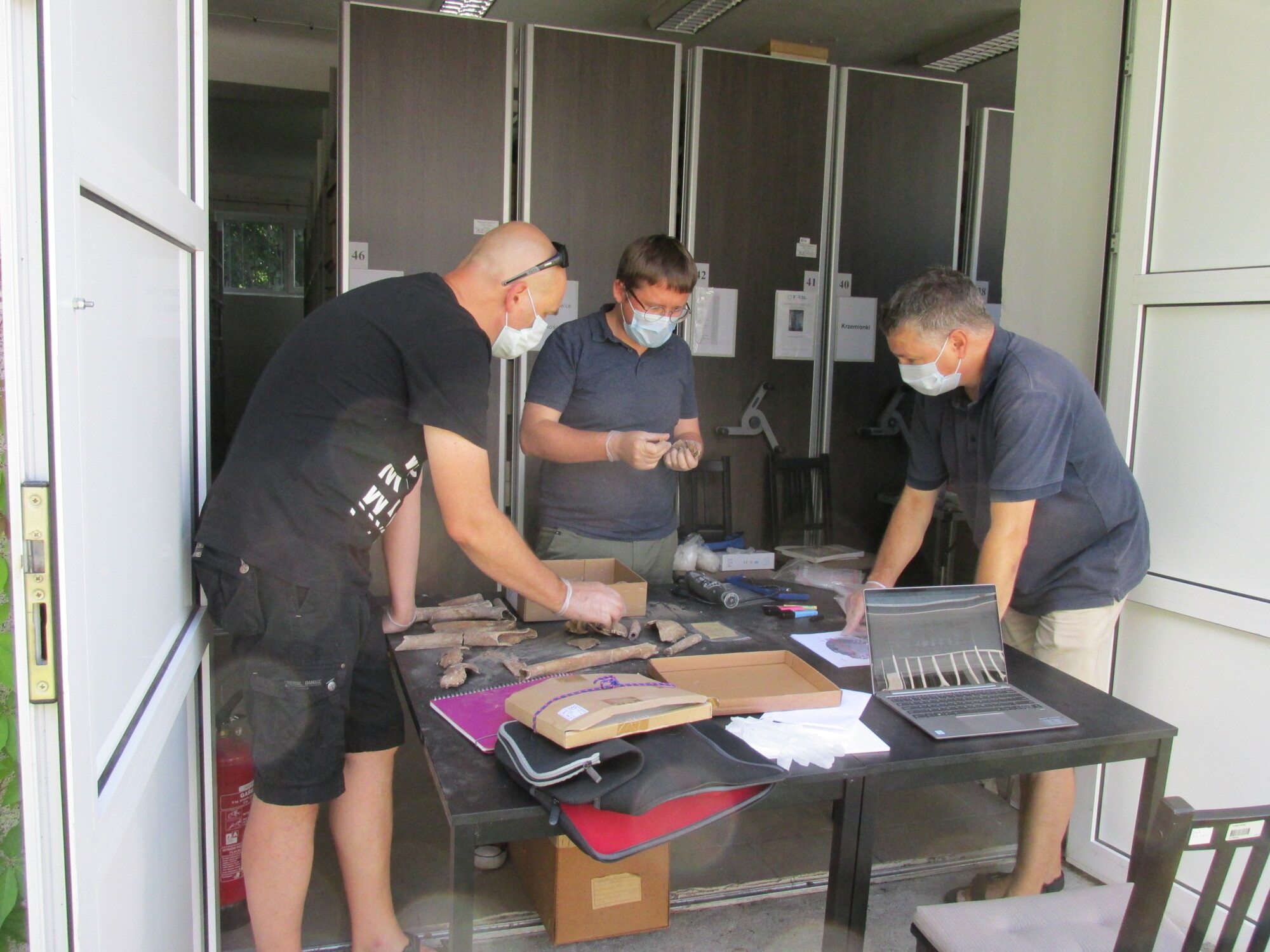
D. Błaszczyk
In three cases, it was only possible to assign the samples to broad haplogroups, such as R-M417, R-M459, and R-Z283. These are lineages with a very deep genealogy, dating back thousands of years; therefore, their presence does not allow for detailed conclusions regarding the origins of the individuals studied in the context of medieval Central Europe.
For the remaining samples, a more detailed classification was obtained, including the subclades R-BY30779, R-YP1337, R-Z92, and C-Y10417. Some of these haplogroups currently show an elevated frequency among Slavic (R-YP1337), Baltic (R-Z92), or Eurasian (C-Y10417) populations. It should be emphasized, however, that Y-chromosome haplogroups are not ethnic markers. They merely reflect the history of individual paternal lineages, and do not allow for the unambiguous assignment of specific individuals to a particular ethnic group.
A particularly interesting case is the Y-chromosome haplogroup C-Y10417, identified in a man buried in grave no. 39 at Stare Łączyno. This lineage is rare in Europe and originates from East Asia or Central Asia. The closest known counterparts of this haplogroup from the early Middle Ages were identified among members of the Avar elite inhabiting the Pannonian Basin. This does not, however, mean that the individual buried at Stare Łączyno was an Avar or even a direct descendant of the Avars. After the fall of the Avar Khaganate in the early 9th century, part of the Avar population was absorbed by communities inhabiting Central Europe, including Slavic groups.
Whole-genome analysis showed that both medieval populations were genetically similar to one another. They were also similar to modern Central European populations. However, certain differences are evident. The inhabitants of Stare Łączyno showed slightly greater similarity to Baltic and Scandinavian populations. In contrast, the inhabitants of Narojki were more closely related to Eastern European populations.
What Did They Eat?
In addition to the traditional set of carbon and nitrogen isotopes, the researchers also included an analysis of sulfur isotopes. These are particularly valuable for determining origin, both in terms of ecosystem (terrestrial, freshwater, saltwater) and the location where the food was obtained. Analysis of the remains from both cemeteries revealed no differences in carbon isotopes. Interestingly, the results indicate a decline in millet consumption, which was one of the few C4 photosynthetic plants consumed in medieval Poland. A similar gradual decline in millet consumption has been observed at many other early medieval sites throughout Poland. The highest proportion of this grain in the diet was recorded in the earliest burials. At Stare Łączyno, these date to the 10th century. The results of the carbon isotope analysis indicate that millet consumption was still widespread during this period.

© FreCha, under licence CC BY-SA 4.0
Interestingly, millet was, most likely, not diverted from human consumption to animal feed. Among the animal remains analyzed, values suggesting regular consumption of millet were observed only sporadically in one chicken and one dog. This indicates that most animals were not fed millet. In turn, nitrogen isotope analysis shows that the inhabitants of both cemeteries regularly consumed animal protein. The lack of clear differences between the sites suggests a relatively similar level of access to animal products and a similar dietary pattern.
Similarly, sulfur isotope analysis revealed very similar values in both populations. This suggests that the inhabitants of Stare Łączyno and Narojki utilized comparable environmental resources, and did not differ significantly in terms of their geographic origin or the environment from which they obtained their food.
Where Did They Come From?
It is not possible to determine the exact origin of the individuals buried in both cemeteries based solely on strontium isotope analyses. However, this method allows us to determine what percentage of the individuals studied exhibit isotope ratios different from those of the local geological environment, and thus to identify individuals who were potentially non-local or who may have changed their place of residence during their lifetime. The results of analyses of remains from Stare Łączyno and Narojki indicate that the vast majority of the buried individuals were associated with the local environment. Their isotopic values correspond to the geological conditions of the region, suggesting that they spent a significant portion of their lives in an area close to their burial site, and relied on local water and food resources.
At the same time, greater mobility was observed at Stare Łączyno than at Narojki. Of the 26 individuals analyzed from Stare Łączyno, approximately 30% exhibited isotopic values indicating a possible origin outside the local area. In the case of Narojki, a similar situation was found in only one of the 16 individuals analyzed.
It should be emphasized, however, that strontium isotope analysis does not allow us to determine exactly where a given person came from or to unequivocally confirm migration in a historical sense. Strontium isotope ratios primarily reflect the nature of the geological substrate from which the components of a person’s diet and drinking water originated. Differing values may indicate either an actual change in place of residence or the consumption of products imported from other regions with different geochemical characteristics.
When Were the People Buried?
Radiocarbon dating indicates that the cemetery at Stare Łączyno was in use from the early 11th century, and perhaps as early as the late 10th century, until the late 12th or early 13th century. This means that it came into use earlier than previously assumed. The cemetery at Narojki, in turn, was in use from at least the mid-11th century until the first half of the 13th century. The dates obtained thus suggest that it, too, may have been in use earlier than originally assumed.
Both sites also contained burials dating to the Late Middle Ages. In the case of Stare Łączyno, the later graves did not constitute a direct continuation of the earlier Mazovian necropolis, but represented a later phase of the site’s use. The situation is different at Narojki, where the cemetery was most likely used continuously from the Middle Ages through into the Late Middle Ages.
What Does this Tell Us about the Deceased Buried in Mazovian Cemeteries?
Let’s discuss this step by step. The overall physical condition of the population of northern Mazovia was better than that of the population of Podlachia. This may reflect the more favorable environmental and socio-economic conditions for the development of Mazovian settlements during the period of integration with the early Piast state. The situation may have been different in Podlachia, which until the 13th century remained a borderland with unstable political allegiance, under the influence of both the Ruthenian and Baltic worlds.
The dietary patterns of both populations, however, were very similar. The diet of the inhabitants of Stare Łączyno and Narojki was varied, and included both plant-based products and animal-derived ingredients. Its nature did not differ significantly from that of chronologically contemporary sites in Greater Poland and Kuyavia, which may indicate broad economic integration of the Piast lands in the early Middle Ages. A particularly striking aspect of this process is the gradual decline in the importance of millet in the diet, a trend also observed in other regions of Poland. At the same time, the high proportion of animal protein indicates regular access to animal-derived products, such as meat and dairy.
ADNA and strontium isotope analyses indicate a predominance of local inhabitants of Mazovia. Those buried at Stare Łączyno exhibited greater mobility. At the same time, the inhabitants of Stare Łączyno had a higher proportion of individuals with different genetic signatures.
Genetically, the two communities were similar to one another and fell within the range of variation characteristic of Central European populations. The identified paternal lineages included variants more commonly found today in Slavic and Baltic populations, and in one case, the rare C-Y10417 lineage, whose presence may indicate distant connections to Eurasian populations, including the Avars. However, this does not imply that the individuals studied were directly descended from specific ethnic groups.
Second- and third-degree relatives were also identified at both cemeteries, suggesting that some of those buried at both sites may have been members of the same families or local kinship groups. ADNA analyses show that the inhabitants of both cemeteries primarily belonged to the broad genetic spectrum of Central and Eastern Europe. The overall picture thus points to genetically diverse but locally rooted communities. Their composition was shaped by family ties, regional contacts, and occasional long-distance population movements. No evidence was found to suggest that these cemeteries served as burial sites for a distinctly separate group of newcomers. But where in this region did this funerary concept originate? To answer this question, it is best to return to the roots: to the archaeological data.
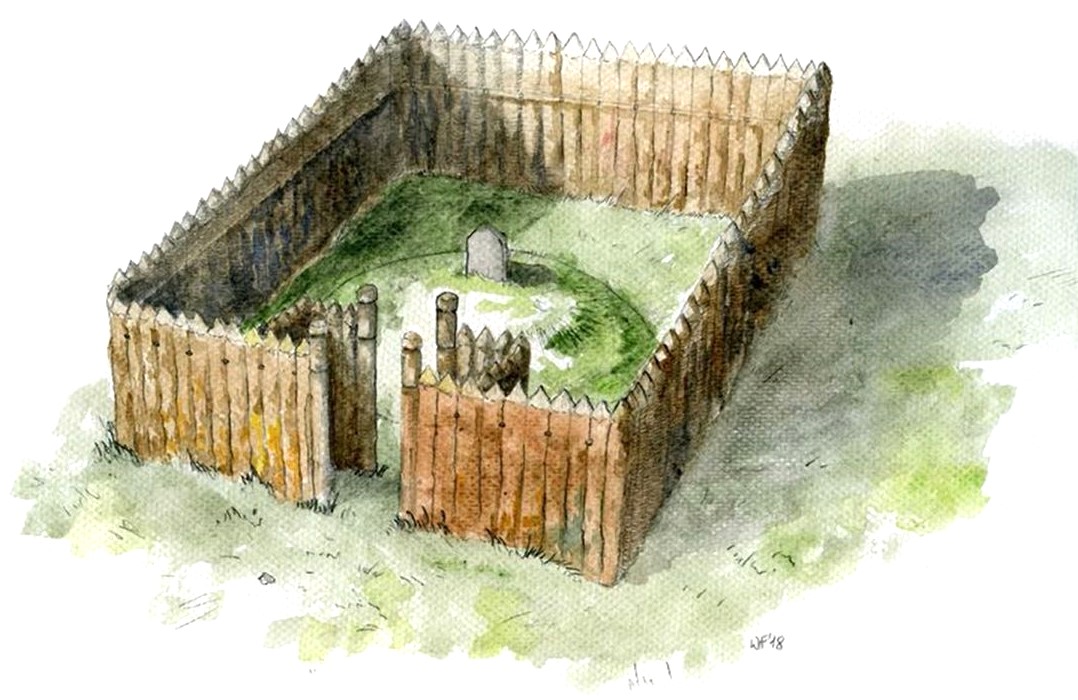
© Institute of Archaeology and Ethnology, Polish Academy of Sciences, licensed under CC BY 3.0
Two factors may help explain the origins of these funeral customs. The first is their chronology and connection to the successive stages of Christianization. The second is the location of Mazovia, which in the early Middle Ages was a place where Western, East Slavic, and Baltic influences intermixed. The chronology of the burials from Stare Łączno coincides with the period of the Piast domain’s eastward expansion, evident not only in the reorganization of the settlement network but also in cultural changes. Some traces of the origins of this burial form can be found in the regions of Pomerania and Kuyavia. From this perspective, the graves, which consist of large, rectangular stone enclosures, are viewed as related to the structural features observed in burial mounds with stone structures from the regions of Pomerania and Greater Poland, dating from the 10th to the 12th centuries. Some evidence also points to certain similarities in the spatial layout and shape of graves from Kuyavian cemeteries, particularly in the case of the graves at Bodzia and the necropolis at Pień. It therefore appears that the models for the Mazovian cemeteries may have originated from the Baltic-Slavic traditions of northeastern Europe. Similar cemeteries are known, for example, from the lands of Rus’. In the 12th–14th centuries, they constituted one of the most characteristic features of Christian funeral rites in Novgorod Rus’. However, due to the lack of radiocarbon dates, it is unclear whether these burial patterns spread from this particular region.
In northern and northwestern Europe, graves featuring stone structures are not uncommon. In the British Isles, similar necropolises date back to the 5th to 7th centuries CE. In Scotland, however, the custom of burying the dead in graves surrounded by stone enclosures emerged earlier and was associated, among other things, with changes in funeral rites that occurred during the period of Christianization. On the other hand, stone burial structures also existed in pre-Christian contexts. In southern and western Norway, richly furnished burials with stone enclosure elements are known, dating to the Roman Period and the Migration Period.
It therefore seems highly likely that the impetus for the development of this burial type in Mazovia and Podlachia may have come from influences flowing in from two opposing directions: on the one hand, from Pomerania and central Poland, and on the other, from the Baltic-Finnic and East Slavic regions. The syncretic funeral rite that emerged in this way, practiced by the ancient Mazovian communities, became one of the key features distinguishing this region from other lands, particularly during the first three centuries of the Polish state’s existence. Elements of this tradition also survived in Podlachia until the late Middle Ages, indicating their deep roots in local cultural tradition. There is strong evidence that cemeteries in Mazovia and Podlachia featuring stone-setting graves emerged earlier, and are associated with changes in funeral rites that occurred during the period of Christianization. However, they were not the result of a single migration or a one-time cultural borrowing. It is more likely that they were the outcome of a gradual, local adaptation of Christian funeral rites, which took shape in a borderland context where, over several centuries, Slavic, Baltic, and Eastern European traditions intermingled and influenced one another.
Author: A.B.
Proofreading: S.A.
Based on:
Buko, Andrzej, et al. “Locals or Foreigners? The Phenomenon of Medieval Graves in Stone Settings in Mazovia (Poland) in the Light of the Results of Interdisciplinary Research: a Case Study.” Praehistorische Zeitschrift (2026).