Fresh Copper Reveals Insights into Egyptian Metallurgy

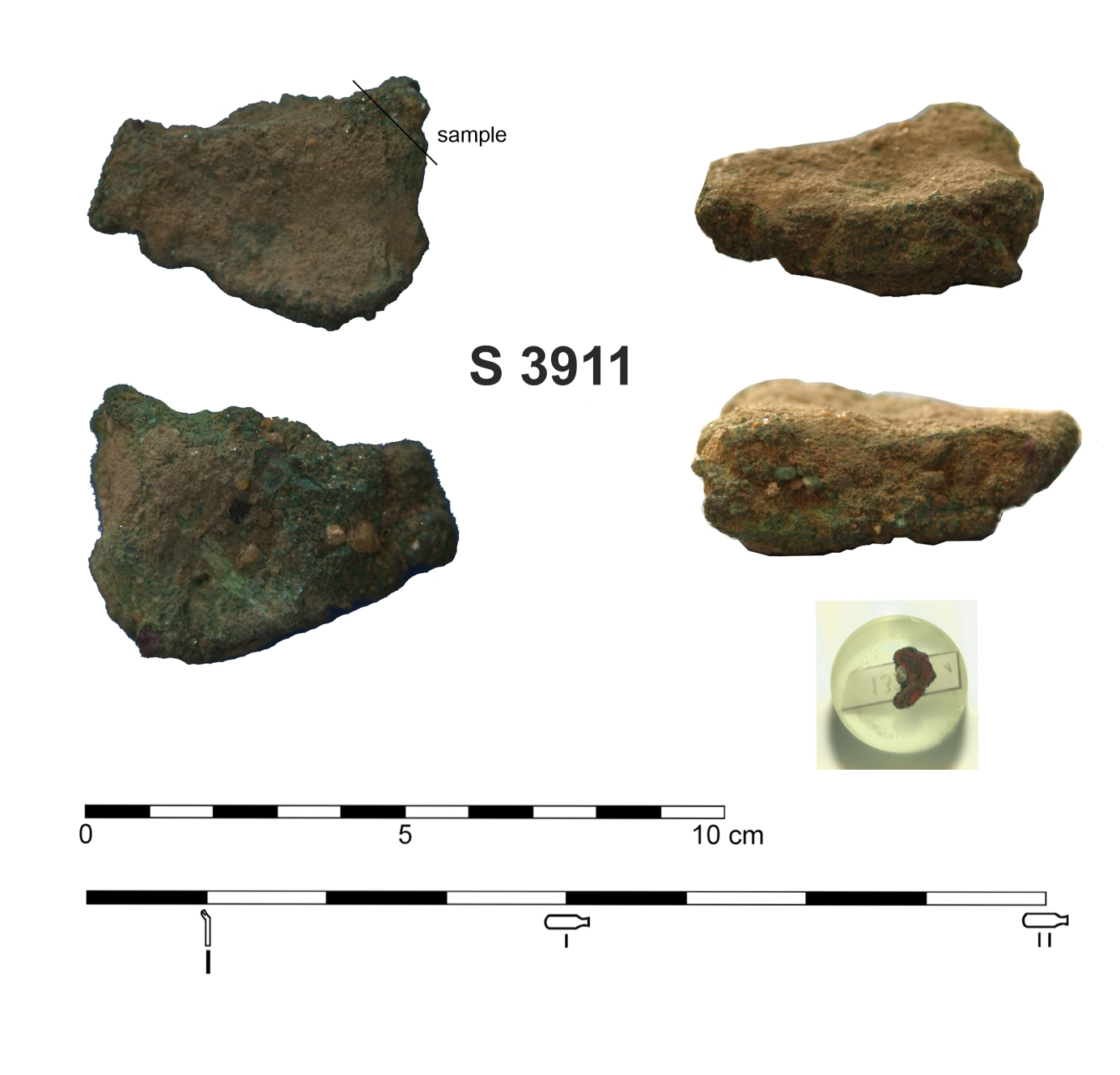
Ancient Egyptian metals are usually associated with royal treasures and spectacular tomb finds. New research from Tell el-Retaba shifts attention to everyday metallurgy, revealing how copper and bronze were processed in a settlement on Egypt’s northeastern frontier. The discoveries made by a Polish and Slovak team offer rare insight into small-scale metalworking during the New Kingdom and Third Inermediate Period.
Continue reading “Fresh Copper Reveals Insights into Egyptian Metallurgy”

Grave Mistakes: Art, Exploitation, and the Legacy of Mummy Brown

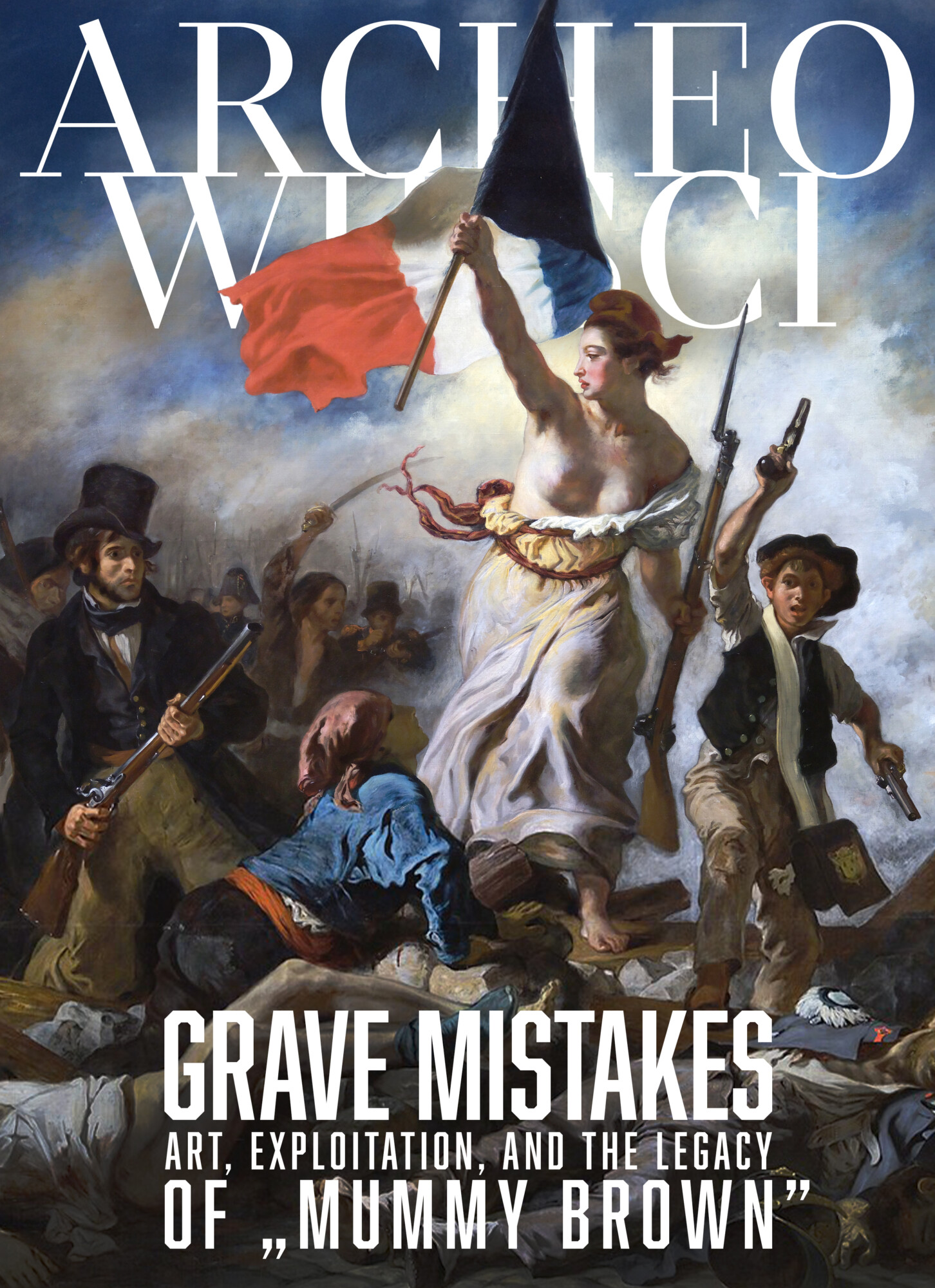
“A London colourman informs me that one Egyptian mummy furnishes sufficient material to satisfy the demands of his customers for seven years. It is perhaps scarcely necessary to add that some samples of the pigment sold as ‘mummy’ are spurious,” writes Arthur Herbert Church in “The Chemistry of Paints and Painting”, published in 1890. The quote references the artist’s pigment made quite literally from the pulverized remains of Egyptian mummies, commonly known as Mummy Brown or “Egyptian Brown”. The practice of producing the mummy-based pigment dates back as early as the late 16th century. Though adored by many artists, the grisly origins of pigment raise the question of what artists are willing to use in the name of beauty.

Continue reading “Grave Mistakes: Art, Exploitation, and the Legacy of Mummy Brown”