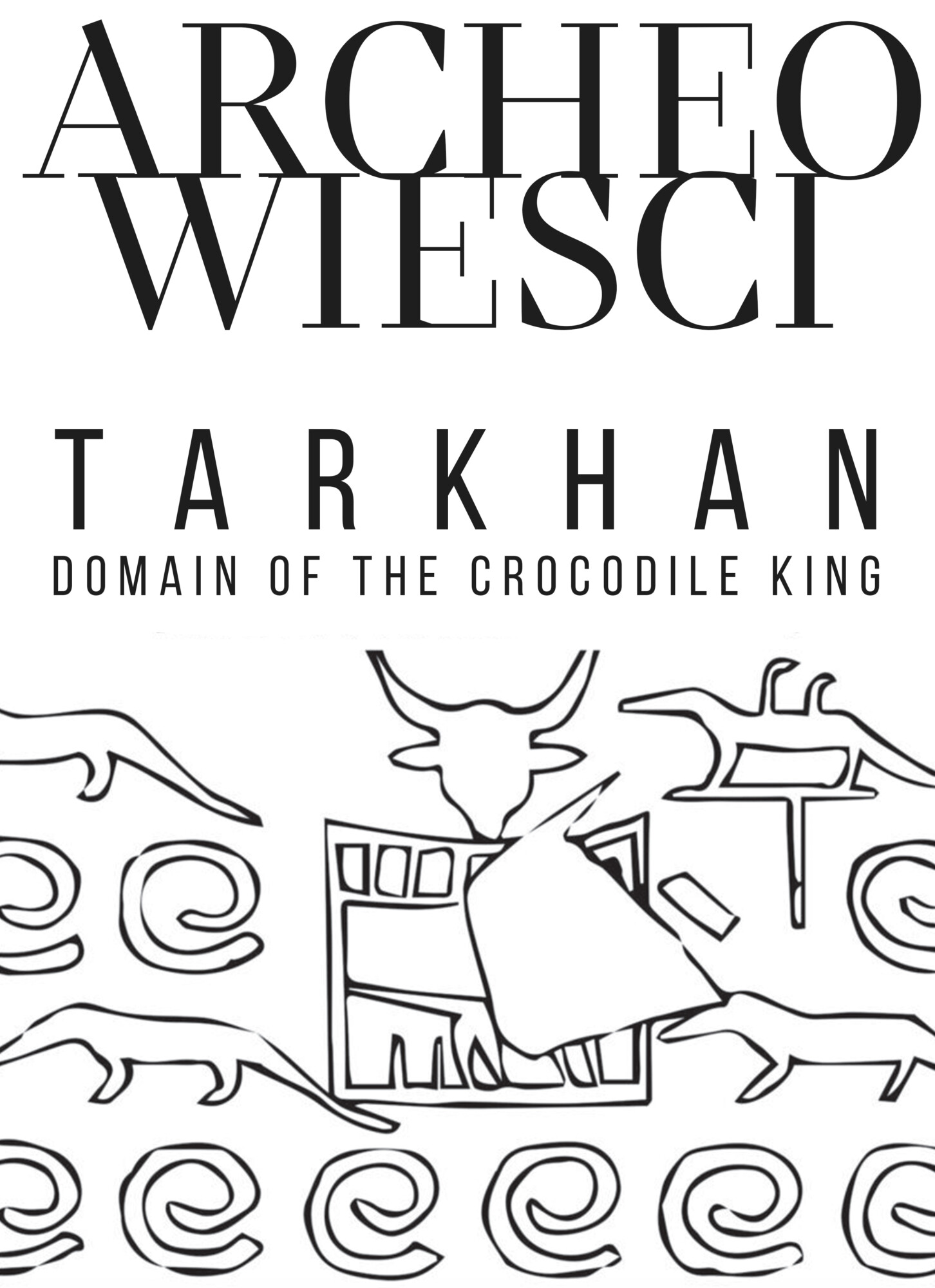
Tarkhan – Domain of the Crocodile King

The cemetery at Tarkhan was established around 3300 BCE, during the Naqada IIIA2 period, and provides evidence of the mobility of the Naqada population. The Naqada culture, which initially developed in Upper Egypt near the present-day town of Naqada, expanded its territories northward. In the Fayum oasis region, other important cemeteries associated with the Naqada community can be found, such as Abusir el-Melek and el-Gerza, with the latter located just a few kilometers south of Tarkhan, the focus of today’s story.
Continue reading “Tarkhan – Domain of the Crocodile King”

New study sheds light on the ancient pastoralists of Iran

When bioarchaeologists excavate human remains, they are sometimes faced with burials that can be somewhat complicated. A ‘perfect’ burial for bioarchaeological analyses would contain a complete set of bones that are well preserved. Some archaeological sites, however, are of such great significance that we even work with poorly preserved and incomplete burials, using unconventional methods that allow us to overcome these preservation limitations. This was proven by our research team whilst studying the Bronze Age cemetery of Deh Dumen, located in the Zagros Mountains in Iran. 

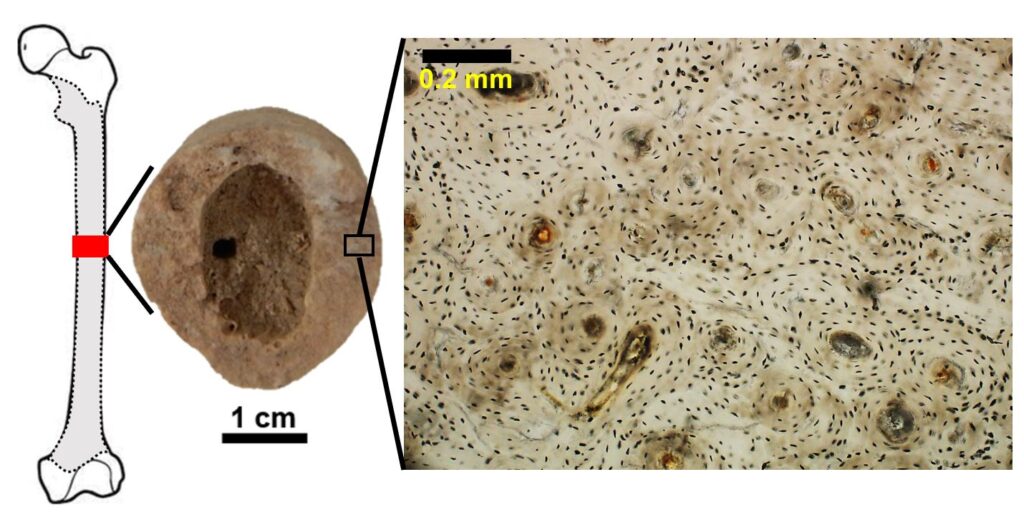
Wszystkie kości udowe w badanym materiale były mocno uszkodzone, większość miało zachowane trzony, ale brakujące nasady (patrz: szary obszar na szkicu kości udowej). Przebadaliśmy przekroje poprzeczne trzonów kości udowej, aby ustalić ich rozmiary i kształt, a także obejrzeć mikrostruktury kostne w obrębie wydzielonych obszarów przekrojów. © J. Miszkiewicz, na licencji CC BY-NC-SA 4.0
All of the femora in our sample were fragmented, with most having their shafts preserved but missing their ends (see greyed area of the femur sketch). We were able to examine midshaft cross-sections of these femoral segments for size and shape, and then look at bone microstructure within further specified smaller regions of the femur cross-section.  © J. Miszkiewicz, under CC BY-NC-SA 4.0 license

Continue reading “New study sheds light on the ancient pastoralists of Iran”