The oldest date from Castillo de Huarmey came from a hairless dog

The earliest radiocarbon date obtained so far from Castillo de Huarmey did not come from a monumental tomb, a royal object, or a spectacular architectural feature. It came from a naturally mummified hairless dog. Dated to 688-870 CE, this unusual find is more than a curiosity. It opens a window onto a much larger story: in the Wari world, dogs were not simply pets or strays, but animals with many social lives: helpers, scavengers, companions, and perhaps even guides to the afterlife.
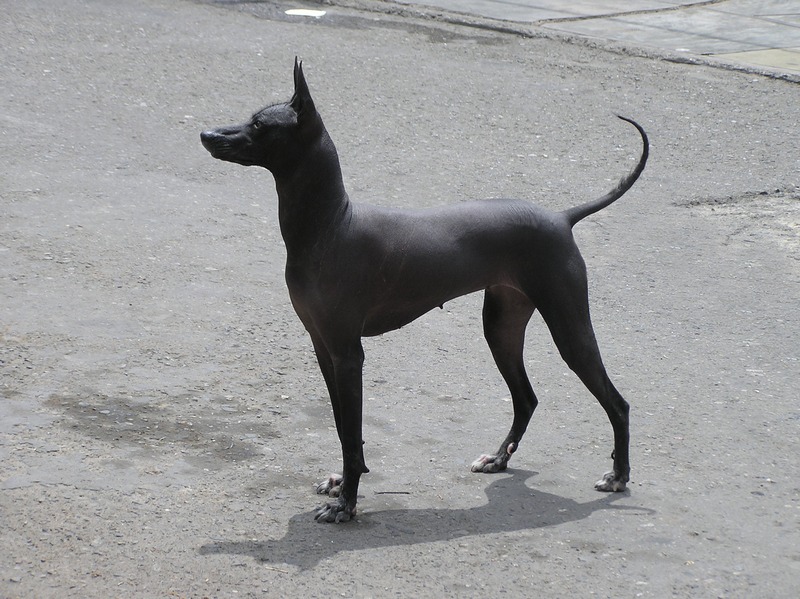
Idealny nagi pies peruwiański © Hookery, CC BY-SA 3.0
A perfect Peruvian Hairless Dog
© Hookery, CC BY-SA 3.0

Continue reading “The oldest date from Castillo de Huarmey came from a hairless dog”
Archaeology of the invisible: how proteins and carbon isotopes help to reconstruct the human past

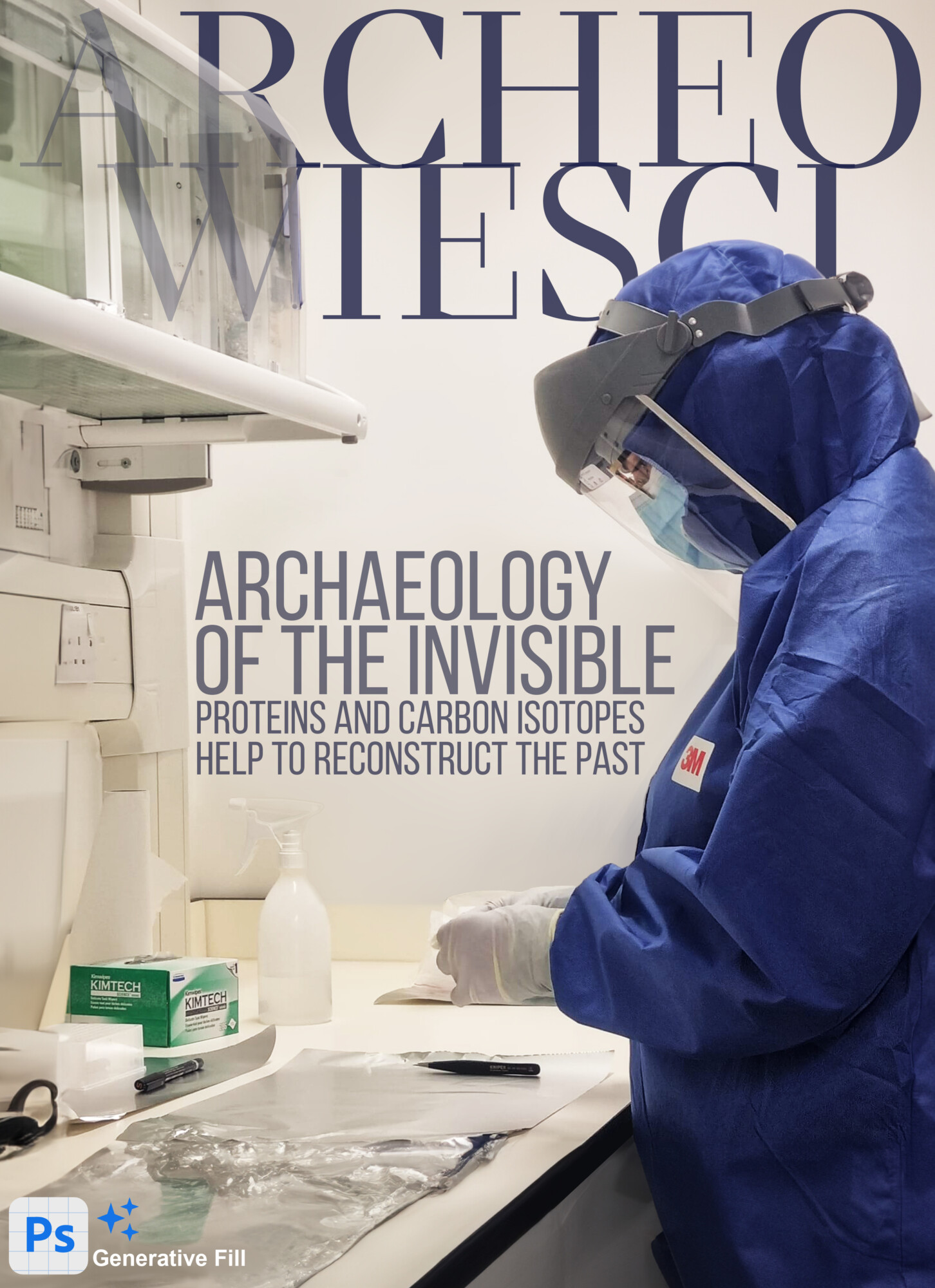
Dr. Helen Fewlass is an archaeological scientist in the Ancient Genomics Lab at the Francis Crick Institute in London, UK. As an EMBO (European Molecular Biology Organization) Postdoctoral Fellow at the Crick, she studies proteins in ancient bones and fossils to tell how old they are and to investigate the process of human evolution. She is now collaborating with the researchers of the Faculty of Archaeology of the University of Warsaw in many scientific projects which involve radiocarbon dates and their interpretation. Archeowieści reached out to her for a little interview about her job and the connection of her field of expertise with the archaeological world. Continue reading “Archaeology of the invisible: how proteins and carbon isotopes help to reconstruct the human past”