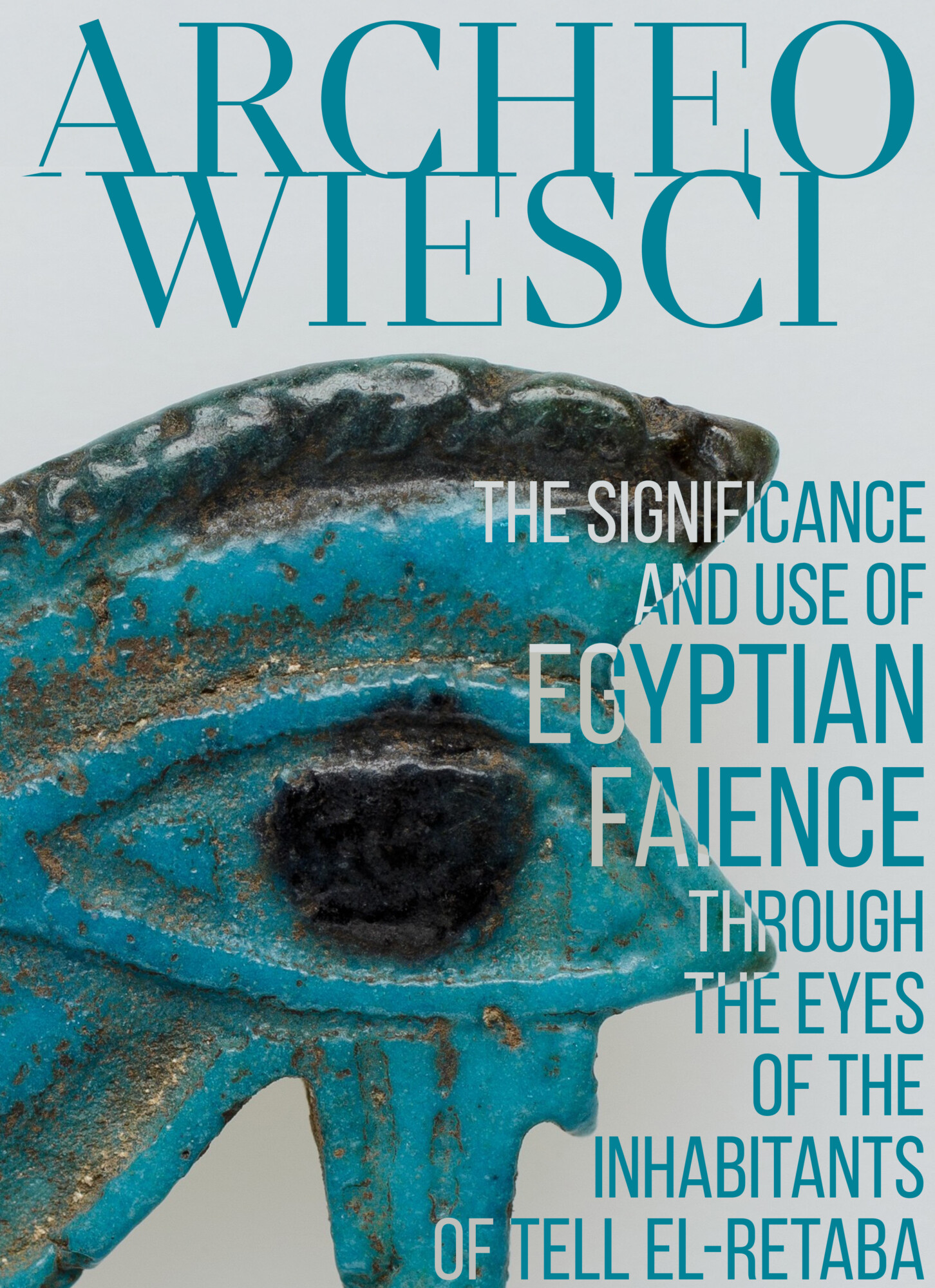
In Ancient Egypt, faience was a material commonly used to produce a wide variety of objects. Today, it is mainly associated with small, blue-green exhibits found in museum displays. However, for the ancient Egyptians, faience was more than just a utilitarian material. During the excavations carried out by the Polish-Slovak Archaeological Mission at the Tell el-Retaba site in northeastern Egypt in the 2017-2023 seasons, several dozen faience artifacts were discovered. All the objects made of faience were found in a settlement dating back to the Third Intermediate Period. Analysis of these finds confirms that, in addition to its practical function, faience may have had symbolic or ritual properties. But can the material itself tell us more about the community that inhabited the Tell el-Retaba settlement at the beginning of the 1st millennium BCE?