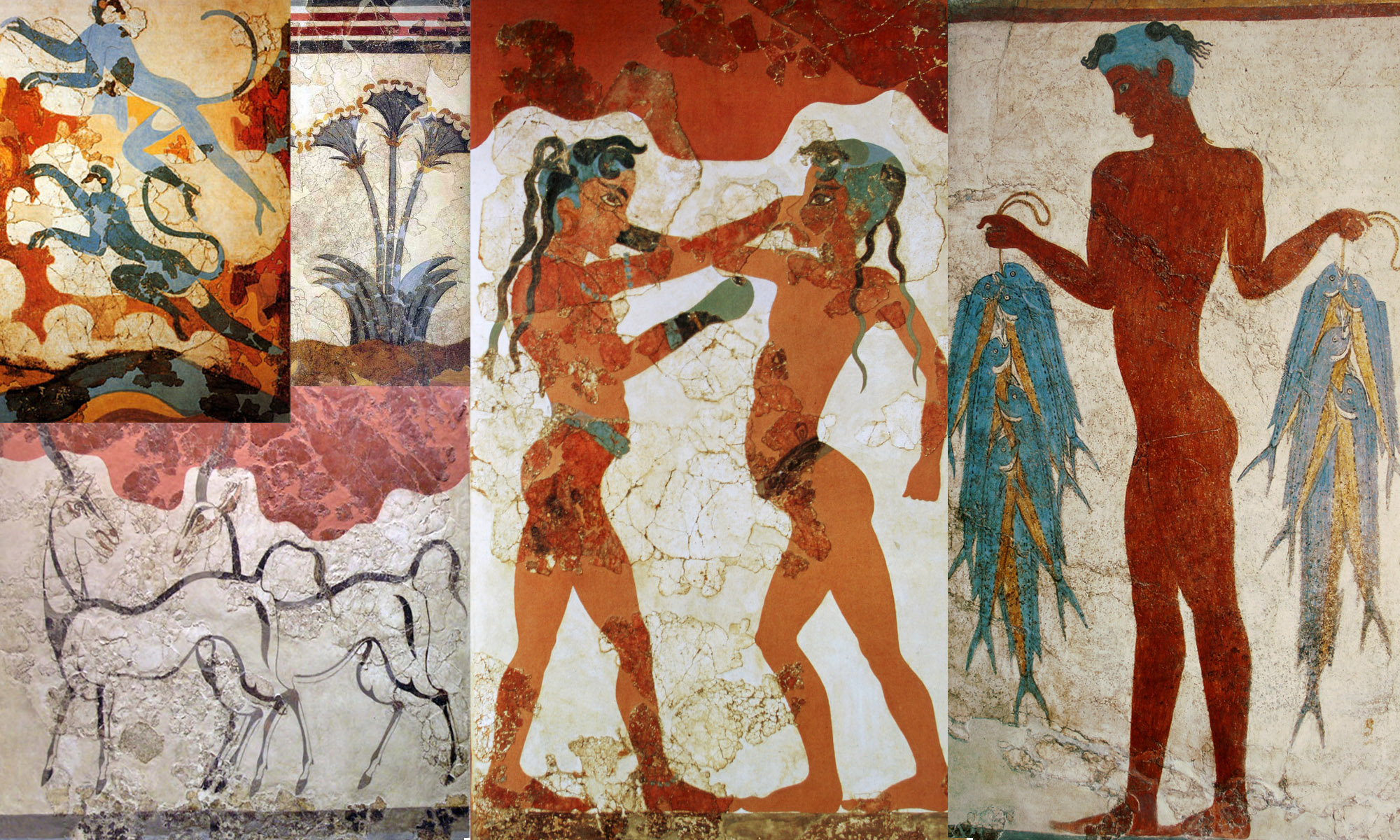
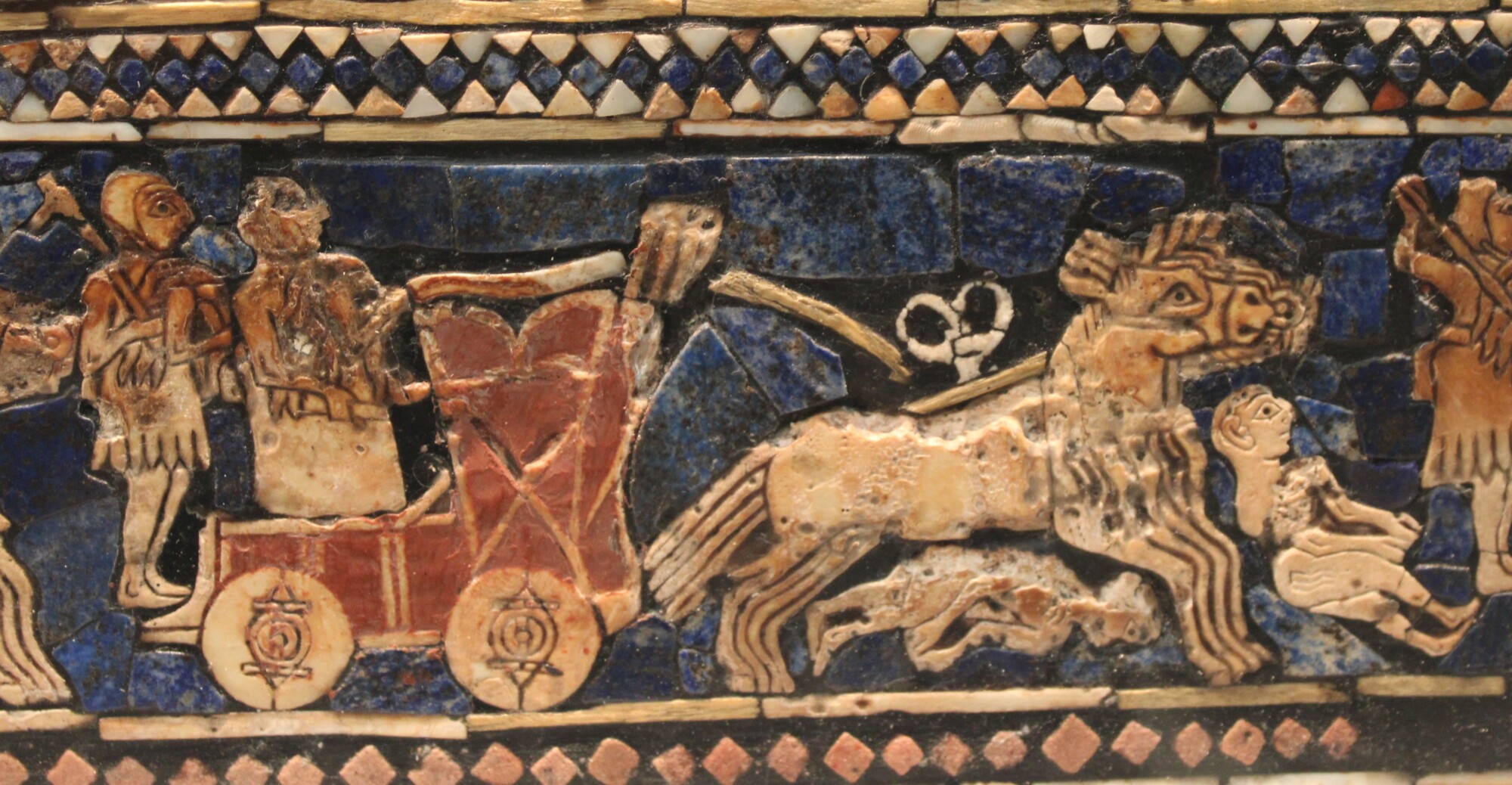
Are These Really Horses? Questioning the Identification of Horses in Third-Millennium BCE Iconography in Mesopotamia

The domestication of the horse had a significant impact on ancient human societies. Previous contributions published by Archeowieści have explored various aspects of these animals and their role in cultural development. The present article, based on a recent study by Zainab A. Albshir (University of Warsaw), examines the identification of equids in the iconography of ancient Mesopotamia, with particular attention to the challenges of distinguishing horses from other equid species.
Continue reading “Are These Really Horses? Questioning the Identification of Horses in Third-Millennium BCE Iconography in Mesopotamia”

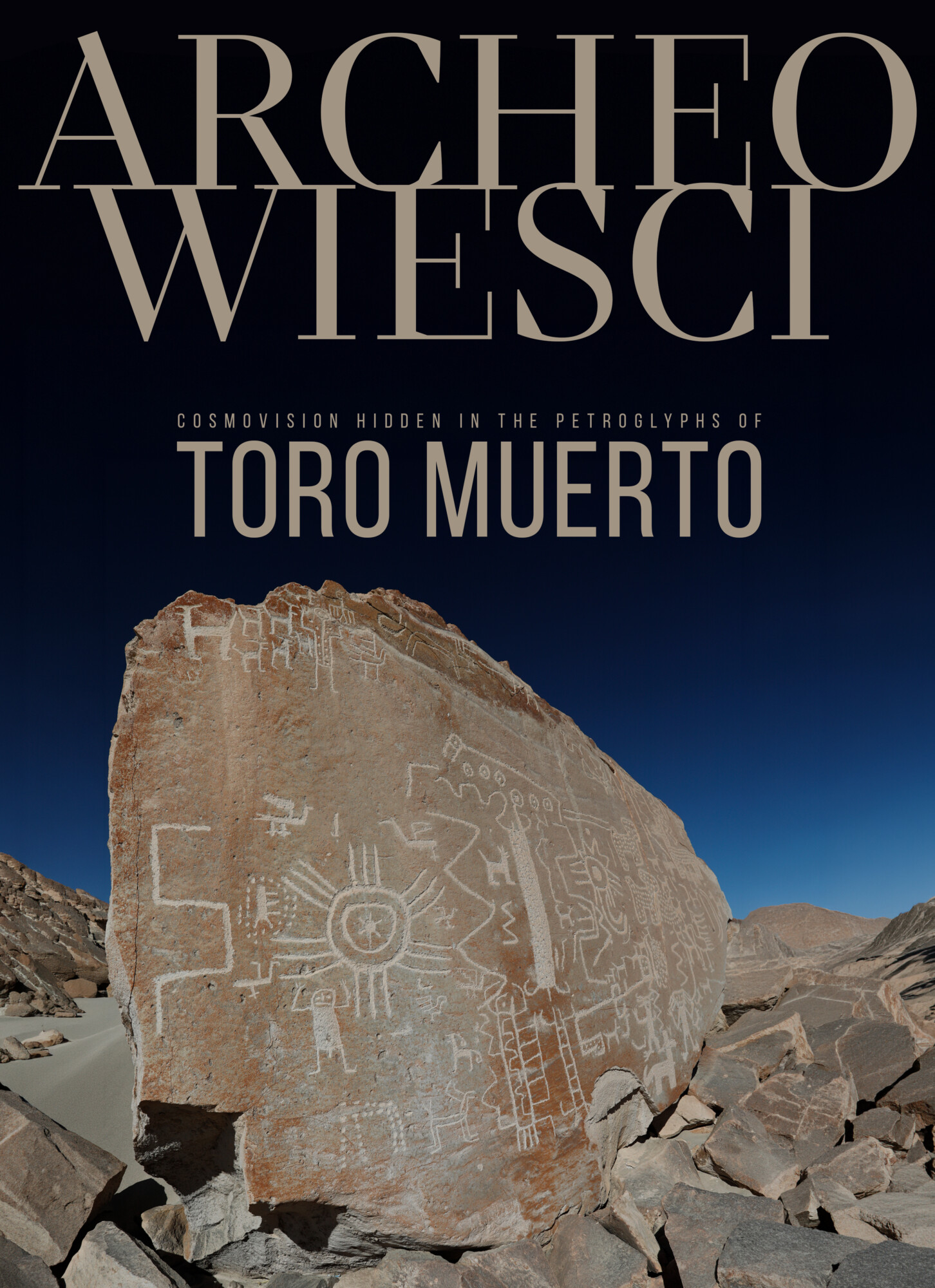
Cosmovision Hidden in the Petroglyphs of Toro Muerto

Author: Iga Ćwiklińska

The cosmovision of many pre-Columbian cultures in the Andes was rooted in the observation of astronomical phenomena. These observations helped structure the rhythm of the year, organize ritual calendars, and interpret the relationships between people, nature, and the cosmos. This knowledge was reflected both in the orientation of ceremonial architecture and in the imagery created by ancient communities.

One place where such ideas may have been preserved in the form of rock art is Toro Muerto, a major archaeological site on the southern coast of Peru. An analysis of the iconography of boulder TM 2498 in Sector X suggests that its complex composition of engravings may have been linked to astronomical observations carried out at this location.

Zachodnia ściana bloku TM 2498. © Archiwum PIA-TM, na licencji CC BY-NC-ND 4.0.
The west wall of block TM 2498.
© PIA-TM Archives, licensed under CC BY-NC-ND 4.0.

Continue reading “Cosmovision Hidden in the Petroglyphs of Toro Muerto”