The oldest date from Castillo de Huarmey came from a hairless dog

The earliest radiocarbon date obtained so far from Castillo de Huarmey did not come from a monumental tomb, a royal object, or a spectacular architectural feature. It came from a naturally mummified hairless dog. Dated to 688-870 CE, this unusual find is more than a curiosity. It opens a window onto a much larger story: in the Wari world, dogs were not simply pets or strays, but animals with many social lives: helpers, scavengers, companions, and perhaps even guides to the afterlife.
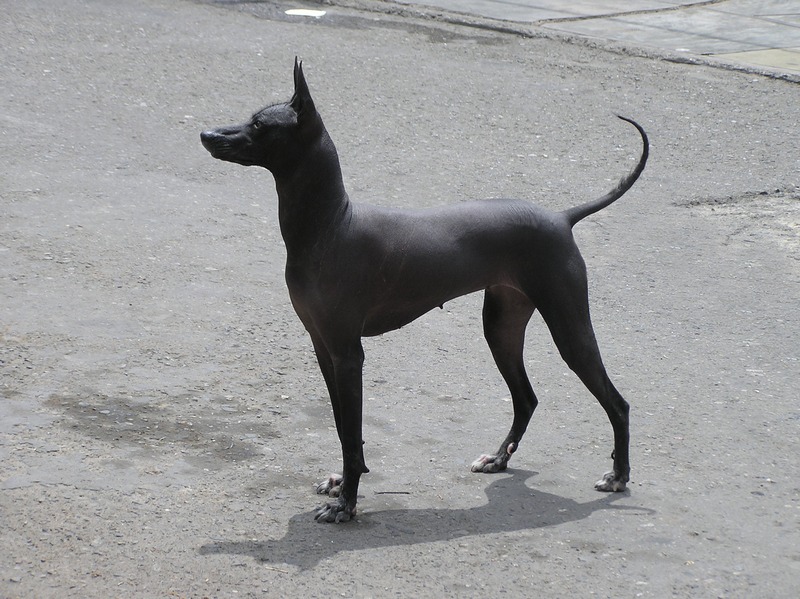
Idealny nagi pies peruwiański © Hookery, CC BY-SA 3.0
A perfect Peruvian Hairless Dog
© Hookery, CC BY-SA 3.0

Continue reading “The oldest date from Castillo de Huarmey came from a hairless dog”
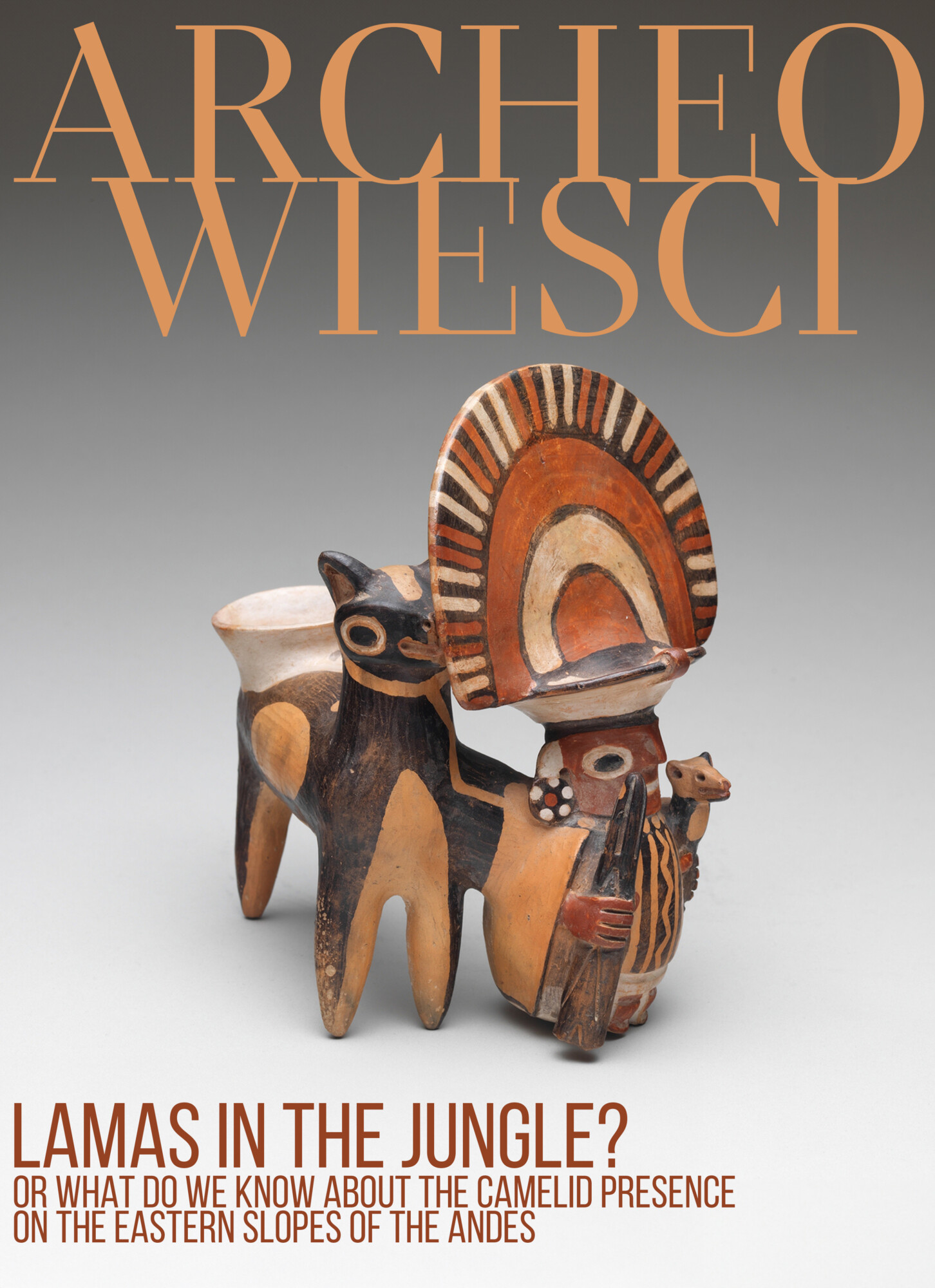
Llamas in the jungle? Or what do we know about the camelid presence on the eastern slopes of the Andes

Llamas (Lama glama) and alpacas (Vicugna pacos) are the only large, domesticated, and endemic mammals in the Peruvian Andes. They had immense significance for all pre-Columbian Andean cultures by providing essential resources such as meat, wool for textile production, bones for tool and ornament manufacturing, and dung used as fuel and fertilizer. Llamas and alpacas held an important place in pre-Columbian iconography. Their images were depicted on pottery, textiles, and on rocks in the form of petroglyphs and carvings. More robust llamas also served as pack animals and traversed the Andes in trade caravans.

Unfortunately for zooarchaeologists (scientists studying the relationships between humans and animals in the past), all South American camelid species are genetically related, which complicates their species identification if based solely on animal bones recovered during archaeological fieldwork. For this reason, in Andean zooarchaeology, they are conventionally referred to as “camelids.”

Continue reading “Llamas in the jungle? Or what do we know about the camelid presence on the eastern slopes of the Andes”