Archaeological research conducted since the 1960s in western Mazovia, PL, has shown that this region was once far more than merely a tranquil inland area. It was here that at the dawn of Antiquity a vast iron-production centre operated, today known as the Mazovian Center of Metallurgy. The scale of metallurgical activity carried out in Mazovia was truly remarkable. Iron production, however, was not the only pillar of the economy at that time.
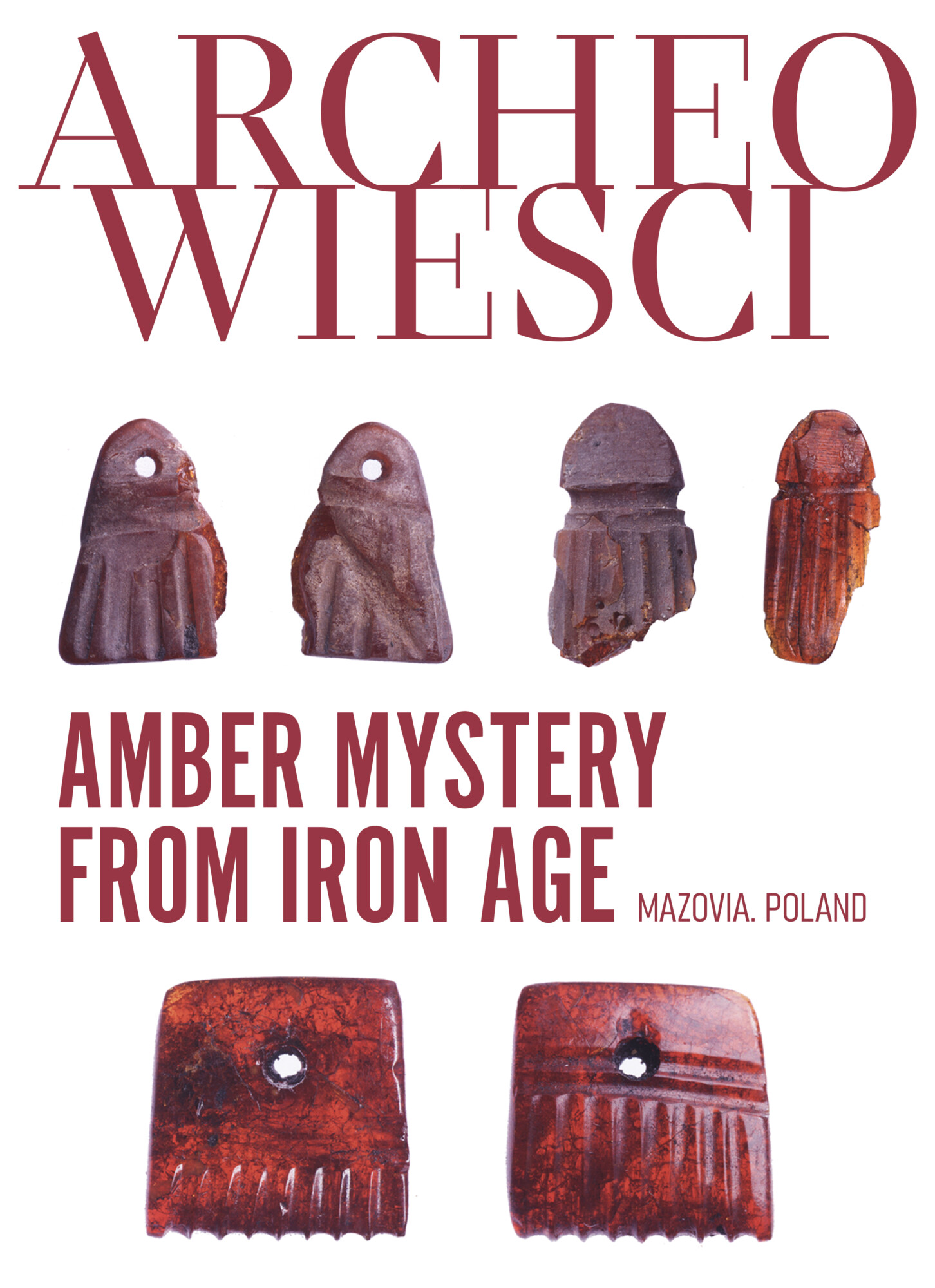
Alongside the relics of metallurgical craft, archaeologists discovered something much more surprising. The remains of… amber workshops! And no, these were not just some isolated finds, but entire production complexes! Finished ornaments, raw lumps, production waste – all of them show that amberworking in Mazovia was carried out on a truly massive scale. However, these finds generate more questions than answers. There are no natural amber deposits in this area. There is also no data indicating its strong cultural exploitation in this region.
So where did it come from and why did it appear here?
Prof. Adam Cieśliński from the Faculty of Archaeology of the University of Warsaw and Dr Marcin Woźniak from the Museum of Ancient Masovian Metallurgy in Pruszków are trying to answer these questions. They presented some of their latest findings in the publication ‘Amber workshops in central Poland during the Roman Period’. Below you will find a short overview!
You can read this article in 12 minutes!