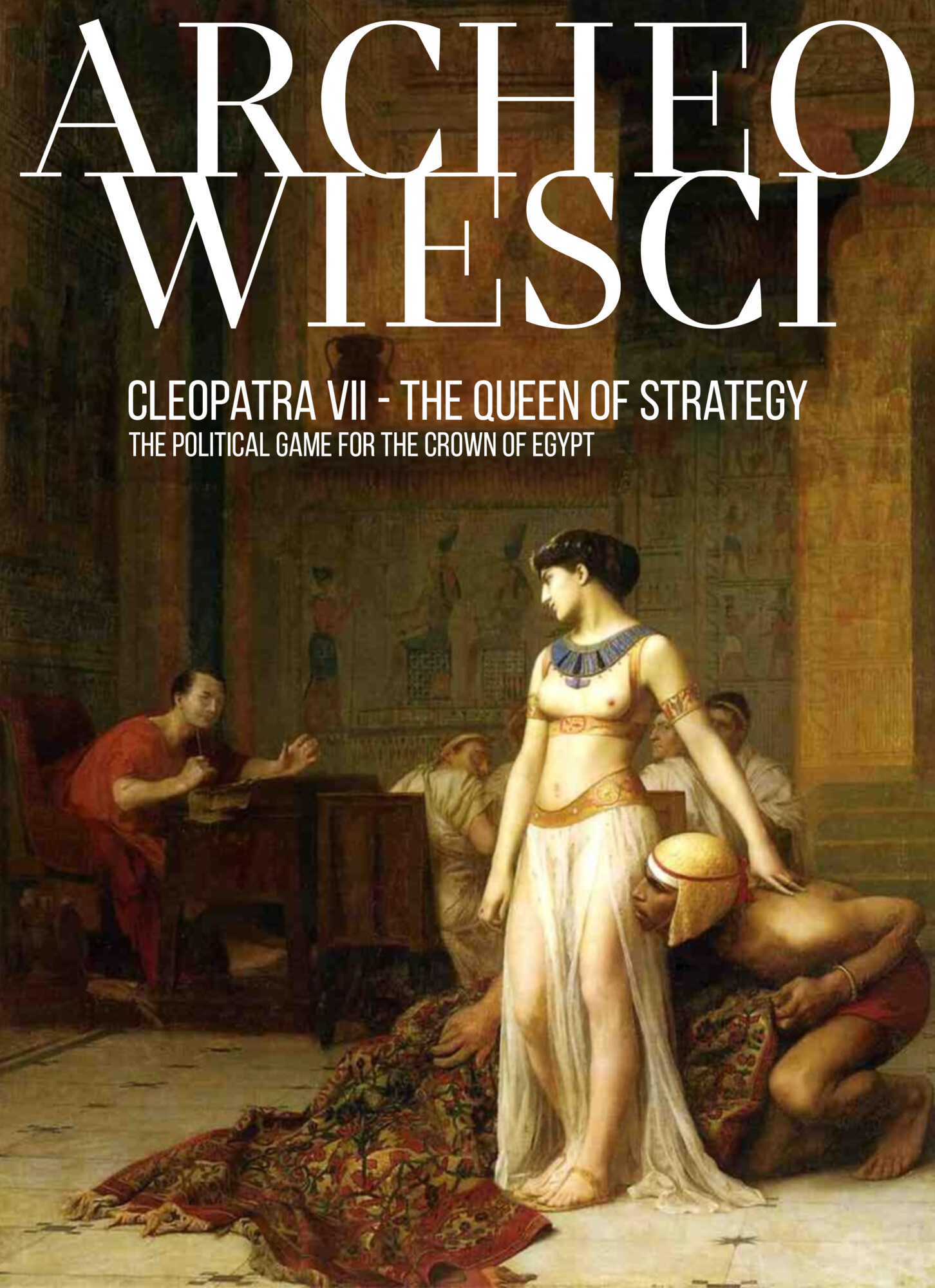
Cleopatra VII – The Queen of Strategy: The Political Game for the Crown of Egypt

In the history of Ancient Egypt, Cleopatra VII Philopator holds a special place. Not only as the last ruler of the Hellenistic Ptolemaic dynasty, but also as a vital political actor who, in the turbulent final years of Egypt’s independence, skillfully leveraged her assets in the struggle for power against the most powerful empire of the time: Rome.

Continue reading “Cleopatra VII – The Queen of Strategy: The Political Game for the Crown of Egypt”
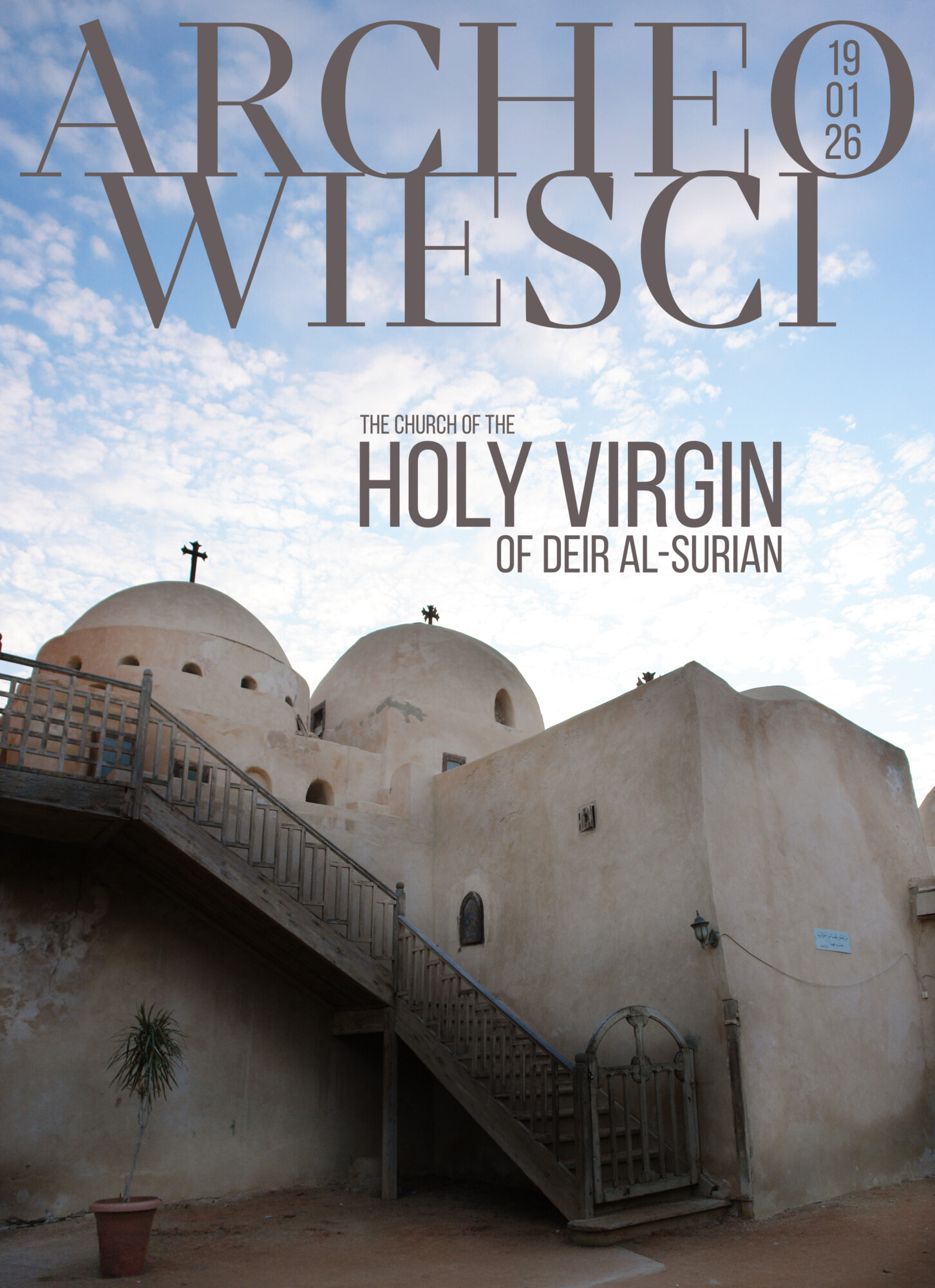
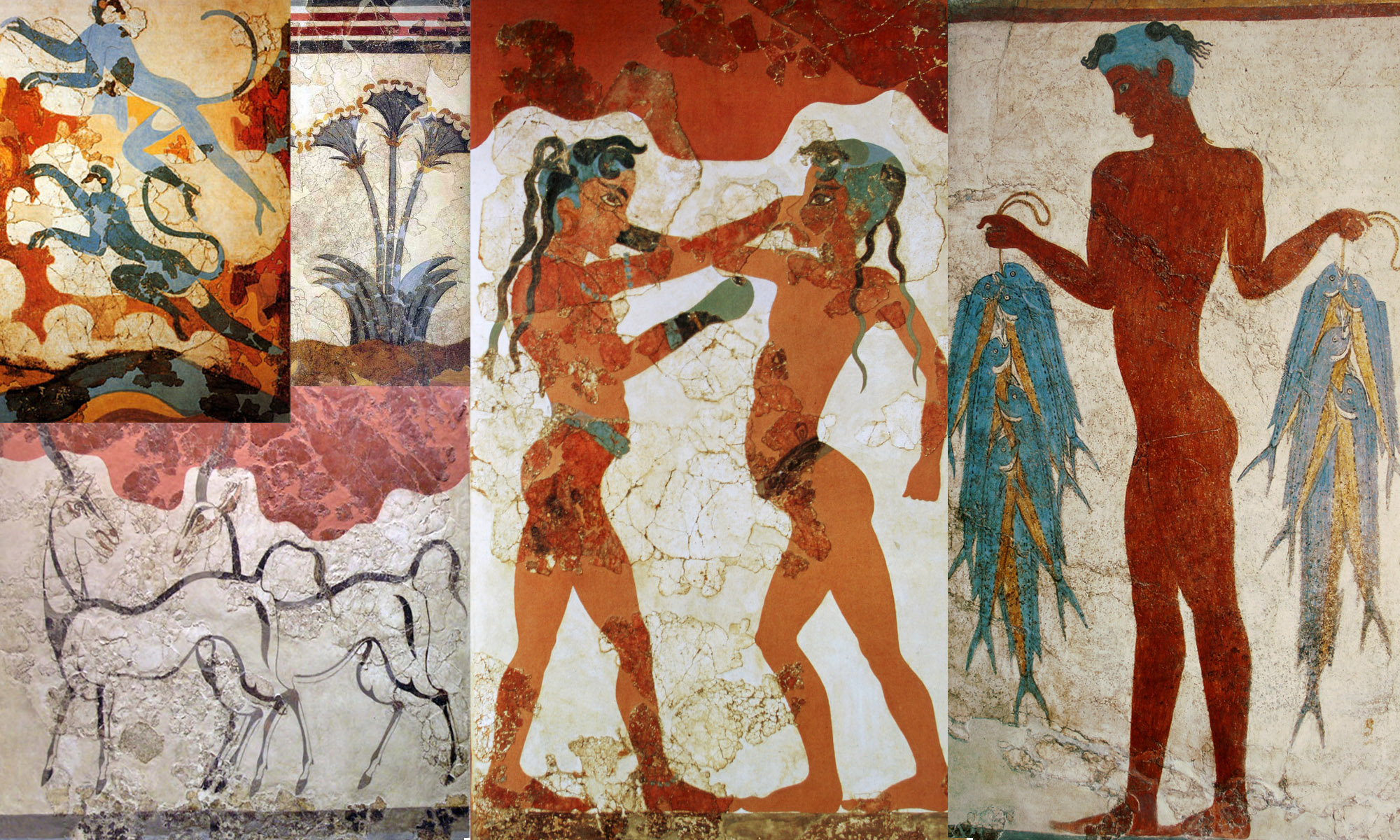
The Church of the Holy Virgin of Deir al-Surian

Deir al-Surian is located in the geological depression of Wadi al-Natrun, west of the Nile delta, a region known as Sketis in Late Antiquity. Its church, dedicated to the Holy Virgin, has been in continual use since its construction in the 7th century AD. Between the 9th and 16th centuries, a mixed Syriac-Coptic community celebrated in the church, and its architecture, paintings and inscriptions testify to the cultural exchange between the two groups. 

Continue reading “The Church of the Holy Virgin of Deir al-Surian”

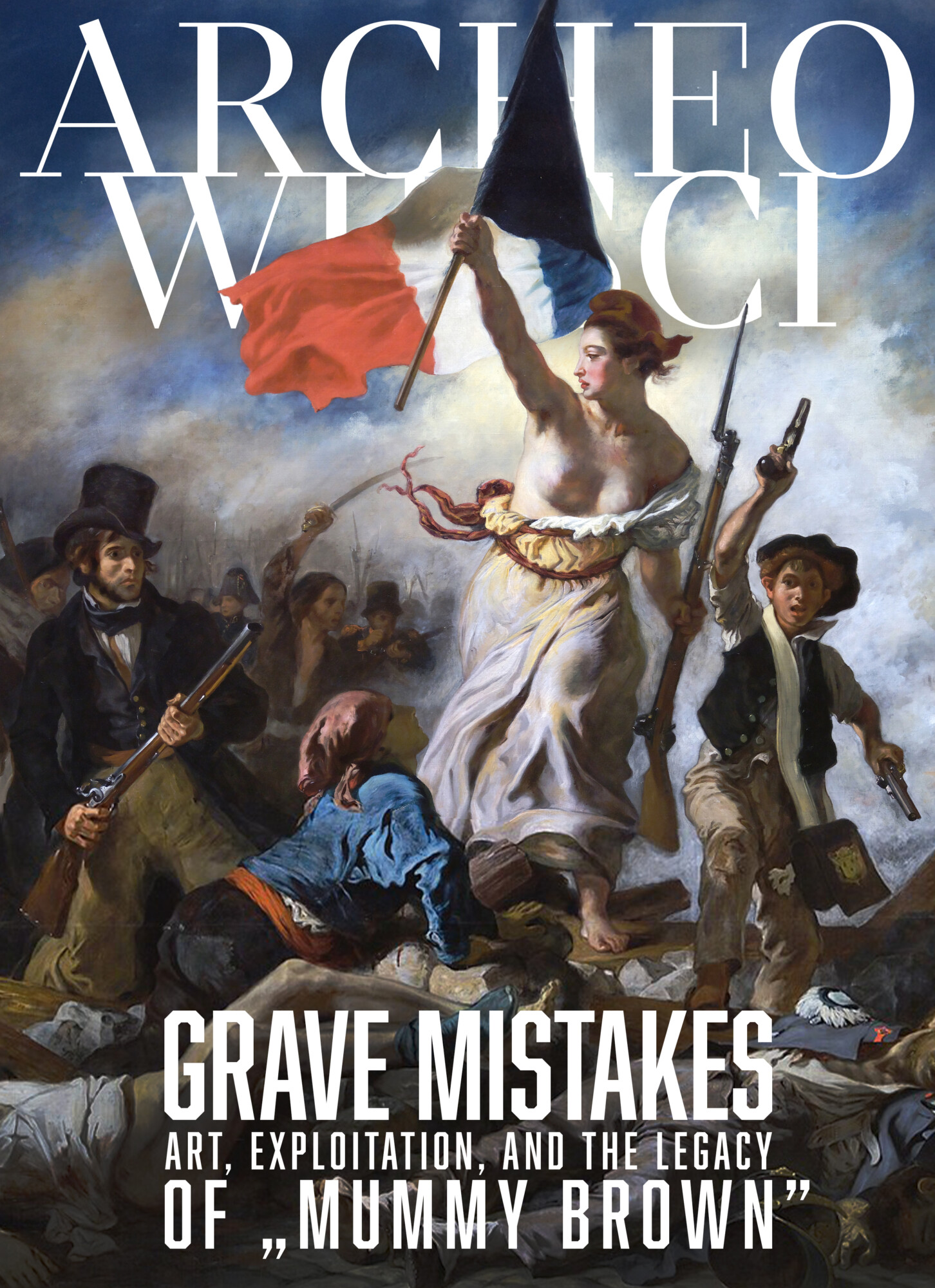
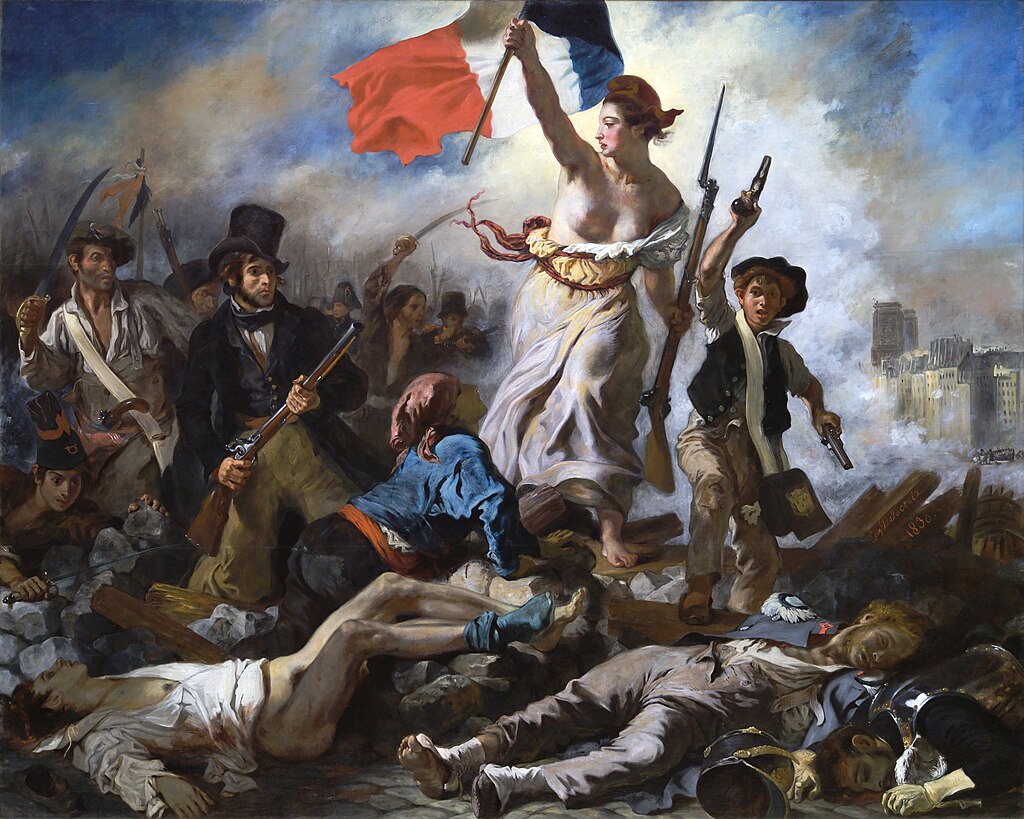
Grave Mistakes: Art, Exploitation, and the Legacy of Mummy Brown

“A London colourman informs me that one Egyptian mummy furnishes sufficient material to satisfy the demands of his customers for seven years. It is perhaps scarcely necessary to add that some samples of the pigment sold as ‘mummy’ are spurious,” writes Arthur Herbert Church in “The Chemistry of Paints and Painting”, published in 1890. The quote references the artist’s pigment made quite literally from the pulverized remains of Egyptian mummies, commonly known as Mummy Brown or “Egyptian Brown”. The practice of producing the mummy-based pigment dates back as early as the late 16th century. Though adored by many artists, the grisly origins of pigment raise the question of what artists are willing to use in the name of beauty.

Continue reading “Grave Mistakes: Art, Exploitation, and the Legacy of Mummy Brown”