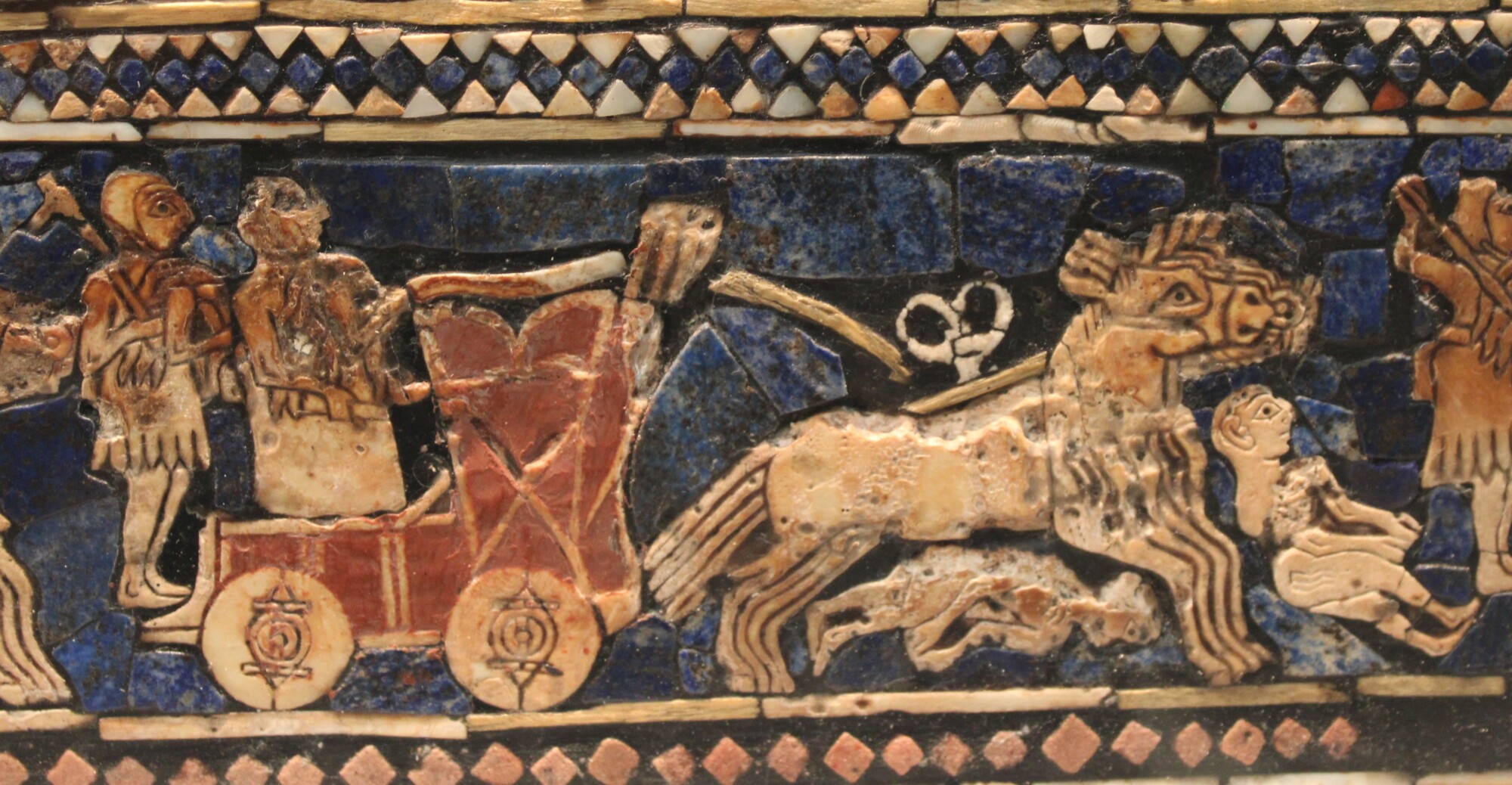
Are These Really Horses? Questioning the Identification of Horses in Third-Millennium BCE Iconography in Mesopotamia

The domestication of the horse had a significant impact on ancient human societies. Previous contributions published by Archeowieści have explored various aspects of these animals and their role in cultural development. The present article, based on a recent study by Zainab A. Albshir (University of Warsaw), examines the identification of equids in the iconography of ancient Mesopotamia, with particular attention to the challenges of distinguishing horses from other equid species.
Continue reading “Are These Really Horses? Questioning the Identification of Horses in Third-Millennium BCE Iconography in Mesopotamia”

Creations of Power: Depicting the Royal Family and Clergy in Medieval Nubia in Louvre!

©Paulina Matusiak & Eddy Wenting

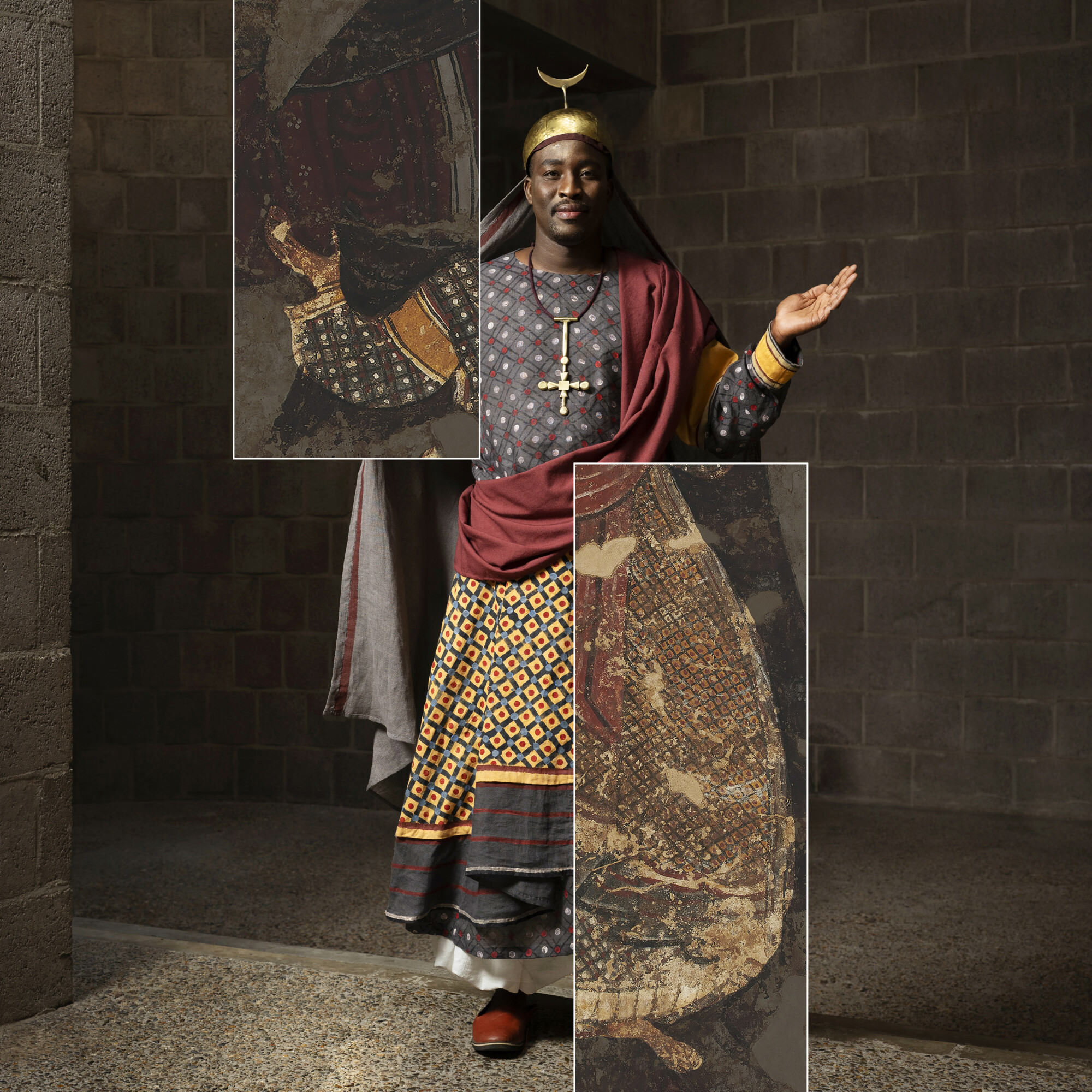
On October 17, the Louvre Museum will host the premiere presentation of the interdisciplinary scientific project “Creations of Power: Depicting the Royal Family and Clergy in Medieval Nubia” on the costumes reconstructed on the basis of Faras paintings from the collection of the National Museum in Warsaw and the Sudanese National Museum in Khartoum. A popularization session at Sorbonne University will also be initiated.

Continue reading “Creations of Power: Depicting the Royal Family and Clergy in Medieval Nubia in Louvre!”

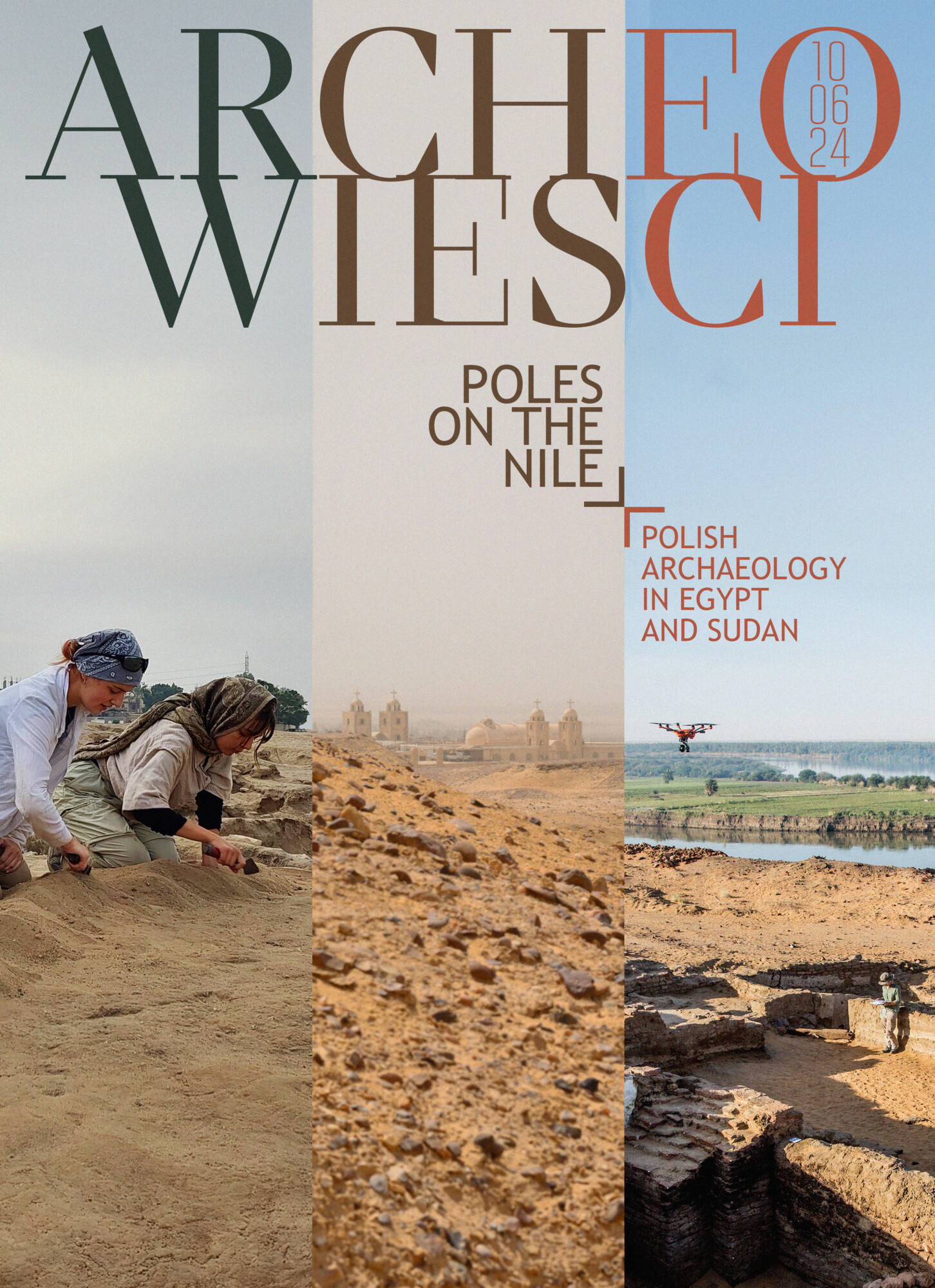
‘Poles on the Nile: Polish archaeology in Egypt and Sudan

The ‘Poles on the Nile’ is an event with quite a long tradition. The first conference meeting was held in 2007 and since then, scholars conducting archaeological research in Egypt and Sudan have been meeting annually, always in June, at the University of Warsaw. The conference is attended by archaeologists, as well as specialists in other fields, who work with archaeologists, from the major national universities and research institutes based in Warsaw, Krakow, Poznan, Wroclaw and Gdansk, and abroad.

Continue reading “‘Poles on the Nile: Polish archaeology in Egypt and Sudan”