A Tale of Multi-Phase Burial in Pommerœul: Between Neolithic and Gallo-Roman Periods

WARNING! THIS ARTICLE CONTAINS PHOTOS OF HUMAN REMAINS


Funeral rites are among the most enduring and, at the same time, most diverse elements of human culture. It is the precise way in which the dead are treated that allows archaeologists to reconstruct not only the funeral practices of ancient societies, but also their conceptions of death, transience, memory, and relations with ancestors. Sometimes, though, archaeological discoveries defy simple interpretations, forcing researchers to take a closer look at phenomena that previously seemed well understood. This is the case for an extraordinary burial discovered in Pommerœul, Belgium. The grave, found in a cremation cemetery dating to the Roman period, turned out to be a much more complex funerary structure, combining remains from various periods of the Neolithic. The results of interdisciplinary bioarchaeological, genetic, and radiocarbon analyses revealed a multi-phase history for the burial, shedding new light on funeral practices and the way in which ancient communities treated the remains of their ancestors.
 

Continue reading “A Tale of Multi-Phase Burial in Pommerœul: Between Neolithic and Gallo-Roman Periods”

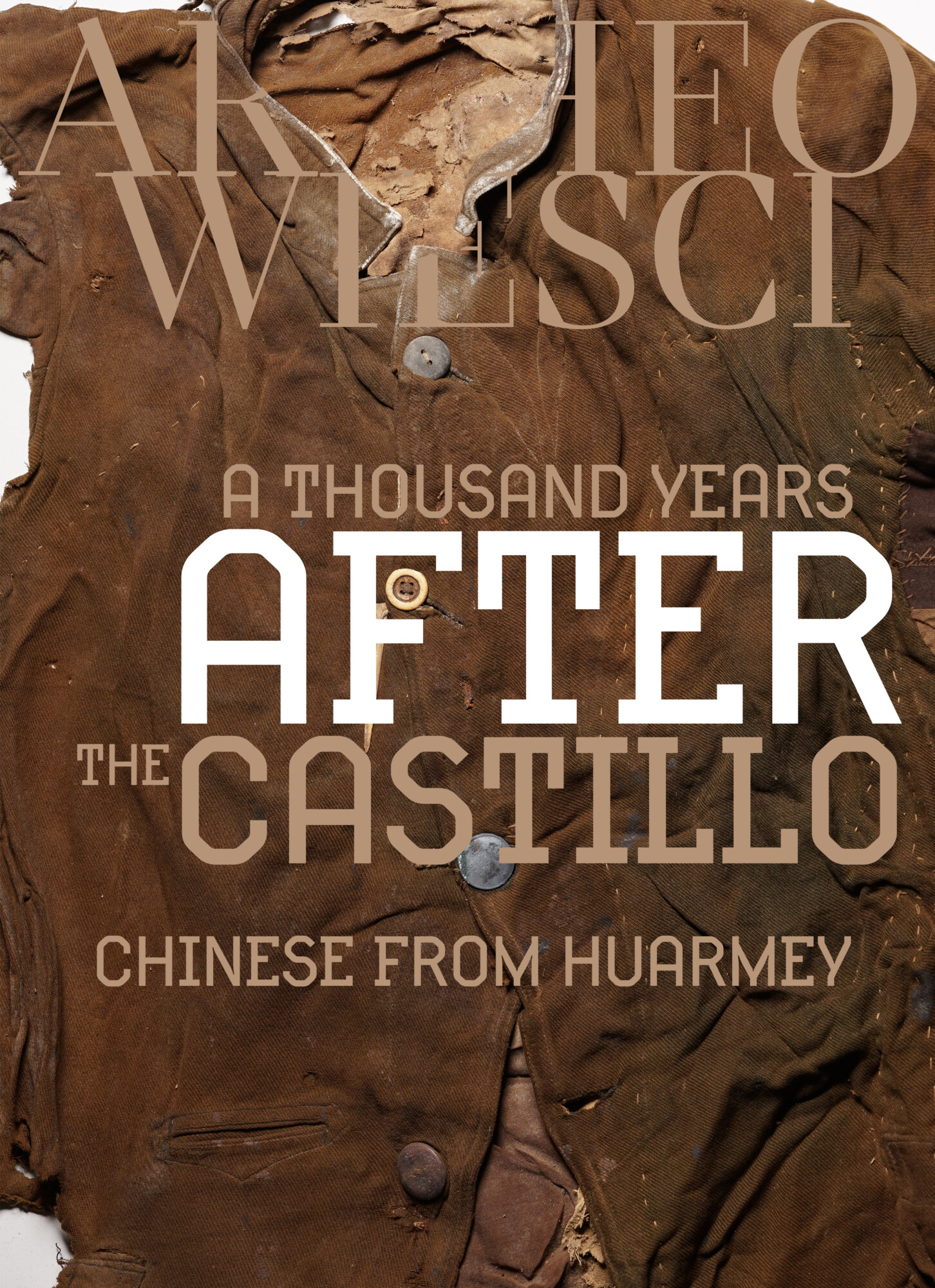
Thousand years after Castillo: Chinese immigrants in Huarmey

One of the most unexpected and surprising discoveries at Castillo de Huarmey site were the burials dated to the very beginning of the 20th century. They were found within palacio, which is the architectural establishment located at the foot of the hill on which the mausoleum is situated, from which the Castillo de Huarmey is best known. The whole area of this archaeological site functioned as a burial site at least since the Early Horizon (see: Tysiąc lat przed Castillo: Atypowe pochówki z Huarmey ENG!) through the Middle Horizon (these burials were associated with the presence of the Wari Empire in the area), to the Late Horizon. However, discovery of the much younger burials indicate that Castillo functioned as the funeral zone in the minds of even 20th-century residents of the Huarmey Valley. Certainly the hill and overlooking mausoleum, were strongly distinguished in the local landscape (before the great earthquake of 1970 probably it might dominate evenmore so than today), was considered as huaca, which means a “sacred place.” Similar to the platforms of the Moche Valley, or those in the area of modern Lima (e.g. Huaca Pucllana located in Miraflores district).


DISCLAIMER: THIS ARTICLE CONTAINS PHOTOS OF HUMAN REMAINS

Continue reading “Thousand years after Castillo: Chinese immigrants in Huarmey”