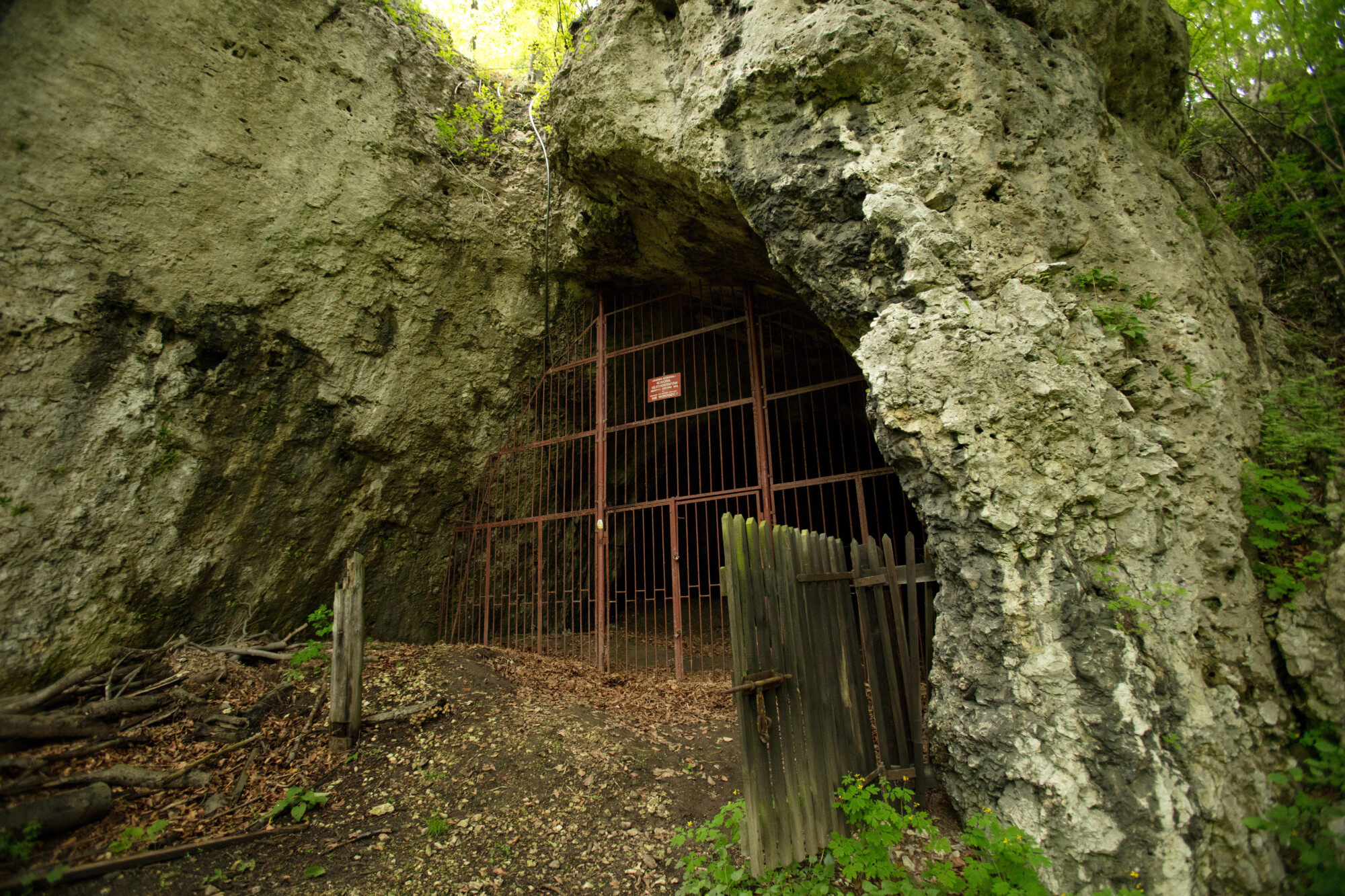
This cave used to be a dwelling for the Neanderthals, a dance floor and a bowling club. In the past it was inhabited by humans and cave bears in turns. At some other time there was a pen for livestock. Hence the name – Koziarnia (goat barn)…
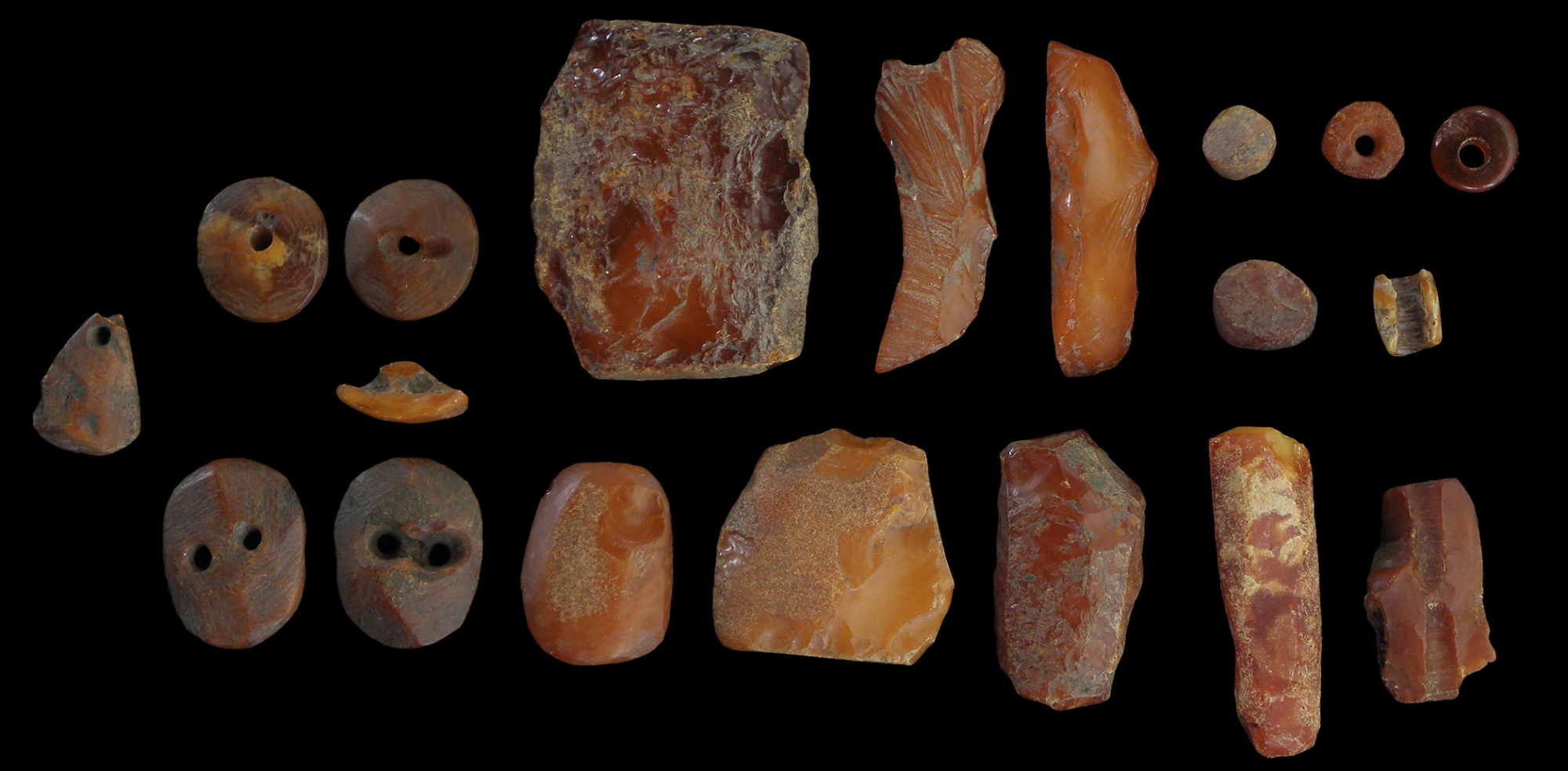
The area of the south-eastern shores of the Baltic Sea was in prehistory and is still today an area abundant in deposits of raw amber, as indicated, among other things, by the numerous Late Neolithic (3rd millennium BC) amber workshops and amber ornaments found on archaeological sites located in the Vistula Fens, south of the Gulf of Gdańsk. Therefore, it is puzzling that relatively few finished amber ornaments come from both these areas and the nearby region of north-eastern Poland. Among the few contemporary known ornaments are those from sites: Ząbie 10, Supraśl 3 and Supraśl 6, which are unique in this part of the prehistoric world. The selected artifacts were thus subjected to stylistic and technological analysis in order to determine where they were made, also taking into account the type of raw material used. The research showed that although the amber ornaments were most likely produced from material extracted in the south-eastern Baltic coastal zone (succinite, gedanite and gedano-succinite), they have no direct analogues there.
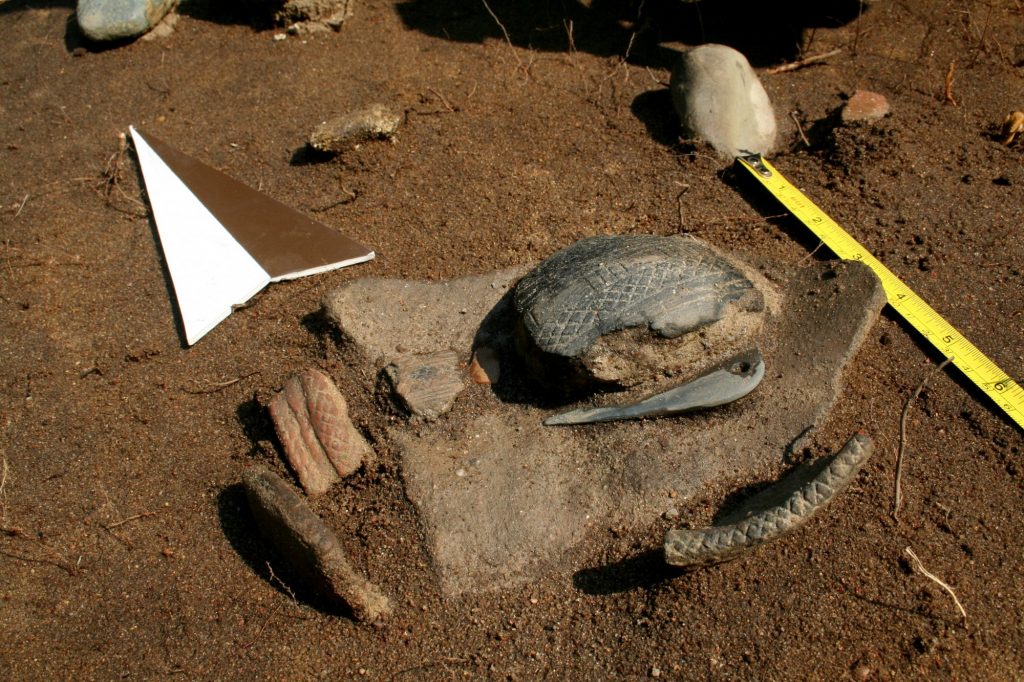
In Supraśl, on the Polish-Belarusian border, unique objects of Bell Beaker communities were discovered. They might have been linked to distant regions of the Atlantic coast and the British Isles. Is it possible that the artefacts would be the traces of the Eneolithic travelers, who like Marco Polo, travelled thousands of miles in search of new, valuable and exotic raw materials and objects?